What’s the Best Cat Litter for Your Feline Friend?
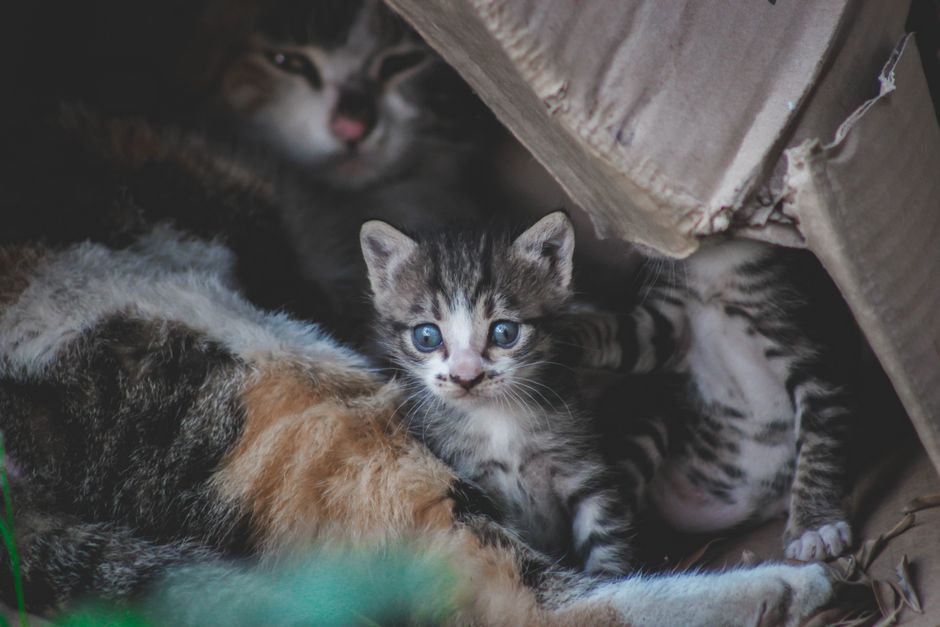
Photo by Samer Daboul on Pexels
This content was created with AI assistance and is not a substitute for professional veterinary advice.
The Best Cat Litter for Your Cat: A Quick Answer
Choose a cat litter that caters to your cat’s specific needs and preferences, such as its health, lifestyle, and environment.
The Problem: Choosing the Best Cat Litter Can Be Overwhelming
As a cat owner, you want the best for your feline friend. But with so many cat litter options available, it can be challenging to decide which one is best for your cat. Each litter has its own set of characteristics, benefits, and drawbacks. Factors such as odor control, moisture management, and clumping ability can contribute to the effectiveness of a litter.
Why It Matters: Your Cat’s Health and Comfort Depend on the Right Cat Litter
The type of cat litter you choose can significantly impact your cat’s health and comfort. For instance, a cat litter that doesn’t control odor well can lead to a foul-smelling environment, causing discomfort for both your cat and you. Similarly, a litter that doesn’t manage moisture effectively can lead to urinary tract issues in cats.
How To Recognize It: Signs That Your Cat Requires a Change in Litter
| Sign | Mild | Serious |
|---|---|---|
| Appetite | Slightly reduced | Refuses food entirely |
| Urine Staining | Visible staining on litter, floor, or walls | Severe staining and odor |
If you notice any of these signs, it may be a sign that it’s time to switch to a new litter.
What To Do: Choosing the Right Cat Litter for Your Cat
- Evaluate your cat’s lifestyle. Is your cat indoors only or outdoors as well? If your cat spends time outdoors, you’ll need a litter that’s resistant to moisture and odor.
- Consider your cat’s health. Cats with certain medical conditions, such as urinary tract issues or kidney disease, may require a specific type of litter.
- Assess your cat’s preferences. Does your cat prefer a certain texture or odor of litter?
- Research different types of litters. Look into clay, clumping, natural, and recycled litters.
- Read reviews and ask for recommendations. Talk to other cat owners, read online reviews, and ask your veterinarian for advice on the best litter for your cat.
When To See A Vet Immediately
If you notice any of the following signs, contact your veterinarian immediately:
- Your cat has stopped drinking water or showing interest in food
- Your cat has accidents outside of the litter box
- Your cat displays abnormal behavior, such as excessive meowing or panting
- Your cat has visible signs of illness or injury
Products That Help: Top Picks for Cat Litters
- Clumping clay litters: Effective at controlling odor and moisture, these litters are a popular choice among cat owners. Examples include Arm & Hammer Clumping Litter and Purina Cat Litter.
- Natural litters: Made from biodegradable materials, these litters are a great option for owners who prioritize the environment. Brands like World’s Greatest Cat Litter and Swheat Scoop offer natural, eco-friendly options.
- Recycled litters: These litters are made from recycled materials and are a sustainable choice for cat owners.
Key Takeaways
- Choose a cat litter that caters to your cat’s specific needs and preferences.
- Consider your cat’s lifestyle, health, and preferences when selecting a litter.
- Research different types of litters and read reviews to find the best litter for your cat.
- If you notice any signs of illness or discomfort, contact your veterinarian immediately.
FAQ
Can I change my cat’s litter too frequently?
While it’s essential to switch litters if your cat is experiencing issues, frequent changes can cause stress for your cat. It’s recommended to change litters every 7-10 days.
Are natural litters more expensive than traditional litters?
Yes, natural litters can be more expensive than traditional clay litters. However, many owners find the benefits of natural litters, such as improved odor control and reduced dust, worth the extra cost.
Can I mix different types of cat litters?
Yes, you can mix different types of litters to create a custom blend that suits your cat’s needs. However, be sure to test the mixed litter to ensure it doesn’t cause any adverse effects for your cat.