Can Parrots Eat Grapes?
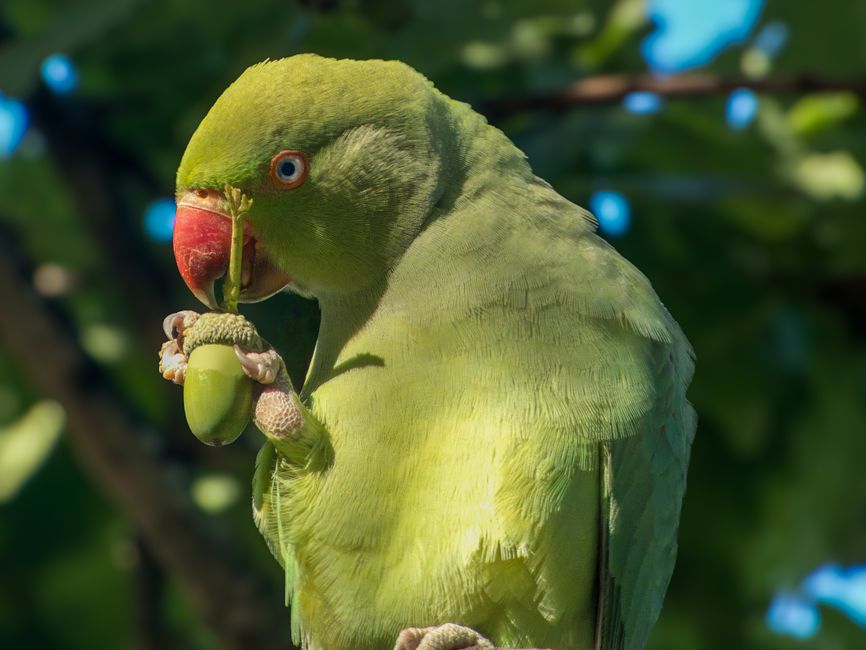
Photo by Jimmyk photos on Pexels
This content was created with AI assistance and is not a substitute for professional veterinary advice.
Yes – according to The Vet Desk, “no toxic agent has been identified” in grapes for parrots. That’s genuinely worth knowing clearly, especially for anyone used to grapes being dangerous – because in dogs, they are.
Are Grapes Actually Safe For Parrots?
Hepper goes further, describing grapes as “nutritious for many fruit-eating parrots and are typically a favorite food item.” This isn’t a food to avoid out of caution – it’s a genuinely safe, well-liked treat for most parrot species, as long as portion size and preparation are handled sensibly.
Why This Is Different From Dogs
This contrast is worth spelling out directly, since it trips people up. Grapes and raisins are one of the most well-established food dangers for dogs – they can cause acute kidney failure, and the exact toxic mechanism is still debated among veterinary researchers, but the risk itself is not in question. None of that applies to parrots. The two species process grapes completely differently, and there’s no equivalent danger identified in birds. If you have both a dog and a parrot in the house, it’s worth remembering the same fruit carries a real, serious risk for one and essentially none for the other.
Sugar Is Still The Real Consideration
Safety from toxicity doesn’t mean unlimited grapes are a good idea. The Vet Desk notes grapes are “moderately high in sugar,” citing specific figures: seedless red grapes run about 17.3 grams of sugar per 100 grams, and green grapes about 16.1 grams. Hepper adds a practical reason moderation matters beyond just sugar content itself – overfeeding sweet treats like grapes can lead parrots to develop a preference for them over their regular, nutritionally balanced diet, which creates a real dietary imbalance risk over time.
Grapes And Parrots At A Glance
| Factor | Guidance |
|---|---|
| Toxicity | None identified – safe, unlike in dogs |
| Sugar content | ~16-17g per 100g – moderate |
| Seeds | Cut in half; limit for smaller species |
| Skin/pesticides | Wash thoroughly before serving |
| Frequency | Occasional treat, not a diet staple |
Seeds And Choking: What To Watch For
Hepper recommends cutting grapes in half before offering them, and specifically limiting seed exposure for smaller parrot species, where choking risk is higher relative to their size. Larger parrots generally handle whole grapes and seeds with less difficulty, but cutting the fruit in half is a simple, low-effort step that reduces risk regardless of species size.
How Much Is Safe?
Hepper’s specific guidance: “two grapes cut in half once or twice a week.” That’s a reasonable general target for most parrots – enough to enjoy as a treat without displacing the balanced diet (pellets, appropriate vegetables, and other whole foods) that should make up the bulk of what a parrot actually eats day to day.
When To See A Vet
While grapes aren’t toxic, individual sensitivities are still possible. Watch for swelling, hives, or difficulty breathing after a new food is introduced, and stop offering grapes and contact a vet immediately if any of these show up. As with any new food, if you’re ever uncertain whether it’s appropriate for your specific parrot’s species or health status, checking with an avian vet before offering it is the safer default.
Key Takeaways
- Grapes are safe for parrots – no toxic agent has been identified, in clear contrast to dogs, where grapes are a genuine kidney-failure risk.
- Sugar content (roughly 16-17g per 100g) is the actual reason for moderation, not toxicity.
- Cut grapes in half and go easy on seeds, especially for smaller parrot species.
- Two grapes, halved, once or twice a week is a reasonable general amount – grapes should stay a treat, not a dietary staple.
FAQ
Are raisins (dried grapes) different or riskier than fresh grapes for parrots?
The core safety picture doesn’t change – the same lack of identified toxicity applies – but raisins are more sugar-dense per bite since drying concentrates the sugar content, so an equivalent-looking portion of raisins is actually more sugar than the same amount of fresh grapes. If offering raisins at all, use noticeably smaller portions than you would with fresh grapes.
Do all parrot species react to grapes the same way, from budgies to large macaws?
The general safety picture is consistent across species, but size matters practically – smaller parrots like budgies need more caution around seeds and choking risk relative to their size, and portion sizes should scale down for smaller birds rather than using the same amount across every species.
Can grapes replace pellets or a balanced diet if my parrot really likes them?
No – grapes offer some nutrients but aren’t a substitute for a complete, balanced parrot diet, and Hepper specifically warns that overfeeding sugary treats can cause a parrot to prefer them over regular nutrition. Keep grapes as an occasional treat layered on top of a proper diet, not a replacement for any part of it.