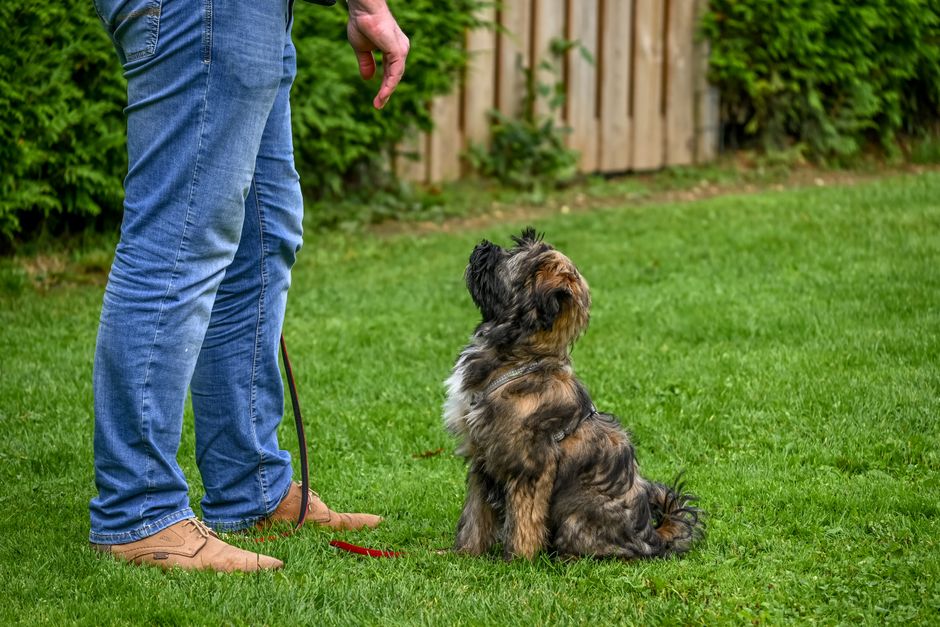
Smartest Dog Breeds
Photo by Lorna Pauli on Pexels
This content was created with AI assistance and is not a substitute for professional veterinary advice.
The well-known “smartest dog breeds” list comes from real research by psychologist Stanley Coren – but it measures one specific type of intelligence (obedience and trainability), not the only way to define a smart dog, according to AKC.
The Research Behind The Rankings
Coren’s rankings, drawn from his book The Intelligence of Dogs, are based on results from obedience trials conducted by the American Kennel Club and Canadian Kennel Club across roughly 199 dogs, evaluated by professional obedience judges. The top tier – ranks 1 through 10 – is defined by a specific, concrete criterion: these breeds “comprise commands with less than 5 repetitions and generally obey the first order.” That’s a real, measurable standard, not a vague reputation.
Intelligence Isn’t Just One Thing
This is the context most “smartest dog” lists skip. AKC lays out three distinct types of intelligence Coren identified: instinct (the inborn ability to perform tasks like retrieving, guarding, or herding without training), adaptive problem-solving (figuring out novel challenges independently, like opening a box or getting a treat out of a tube), and working/obedience intelligence (learning from human instruction and following commands). The famous top-10 list specifically ranks that third type – obedience and trainability – not instinctive or problem-solving intelligence, which aren’t captured by this ranking at all.
The Top 10, By Working & Obedience Intelligence
- Border Collie
- Poodle
- German Shepherd Dog
- Golden Retriever
- Doberman Pinscher
- Shetland Sheepdog
- Labrador Retriever
- Papillon
- Rottweiler
- Australian Cattle Dog
Why This List Skews Toward Working Breeds
Look closely and a pattern emerges: most of these breeds were historically bred for jobs requiring close, responsive cooperation with a human handler – herding (Border Collie, Shetland Sheepdog, Australian Cattle Dog), retrieving (Golden Retriever, Labrador), or guarding/working roles (German Shepherd, Doberman, Rottweiler). That’s not a coincidence – breeds selected over generations for quick responsiveness to human direction are exactly the breeds that would score highest on a test of obedience learning speed. The ranking isn’t measuring some abstract, general “smartness” so much as a trait these breeds were specifically bred to have.
What This Doesn’t Capture
AKC is direct about the limits here: “training and environment strongly influence how a dog’s intelligence shows,” and mixed-breed dogs can match purebreds in intelligence despite not appearing on any breed-specific list. A breed that ranks lower on obedience-trial speed isn’t necessarily less capable overall – it may simply express intelligence differently, through independent problem-solving or strong instinctive drive rather than eagerness to follow commands quickly. Independent-minded breeds (many terriers and hounds, for example) often solve problems creatively precisely because they weren’t bred for constant human direction – that’s a different kind of capability, not a lesser one.
What “Smart” Actually Means For A Pet Owner
Here’s the practical takeaway: a genuinely high-obedience-intelligence breed generally needs real mental stimulation, not just physical exercise, to stay well-adjusted. A Border Collie or German Shepherd left without enough mental engagement doesn’t just get bored the way a less trainable breed might – it tends to find its own outlet, often in ways owners don’t love (destructive behavior, excessive herding of family members or other pets, or general restlessness). Choosing a highly trainable breed is a real commitment to ongoing training and enrichment, not just an easier dog to own by default.
Key Takeaways
- The famous “smartest dog breeds” ranking comes from real obedience-trial research by Stanley Coren, measuring how quickly breeds learn and follow commands – not general intelligence.
- AKC identifies three separate types of dog intelligence (instinct, adaptive problem-solving, working/obedience), and the popular ranking only captures the third.
- Most top-10 breeds share a history of close working cooperation with humans (herding, retrieving, guarding), which explains the pattern in the list.
- High-obedience-intelligence breeds generally need real mental stimulation, not just exercise – it’s a commitment, not a shortcut to an easier dog.
FAQ
Does a breed ranked lower on this list mean it’s actually harder to train in practice?
Not necessarily harder to train, just potentially differently motivated – many lower-ranked breeds are independent thinkers bred for tasks that didn’t require constant human direction, so training methods that lean on their specific motivations (rather than assuming quick command-following like a Border Collie) tend to work better than assuming the breed is simply less capable.
Does breed intelligence actually predict how easy a dog is to live with day to day?
Not directly – a highly trainable, high-intelligence breed often needs more mental engagement to stay well-behaved, which can make it a bigger commitment, not an easier one. Temperament, energy level, and how well a breed’s needs match your lifestyle tend to matter more for day-to-day ease than obedience-intelligence ranking alone.
Can mixed-breed dogs be just as smart as the purebreds on this list?
Yes – AKC is explicit that mixed-breed dogs can match purebreds in intelligence, since the ranking reflects breed-typical tendencies from selective breeding, not a guarantee about any individual dog. An individual mixed-breed dog’s actual capability depends on its specific genetic background and experience, not just the absence of a spot on a breed list.