Why Is My Rabbit Shedding?
Photo by Tima Miroshnichenko on Pexels
This content was created with AI assistance and is not a substitute for professional veterinary advice.
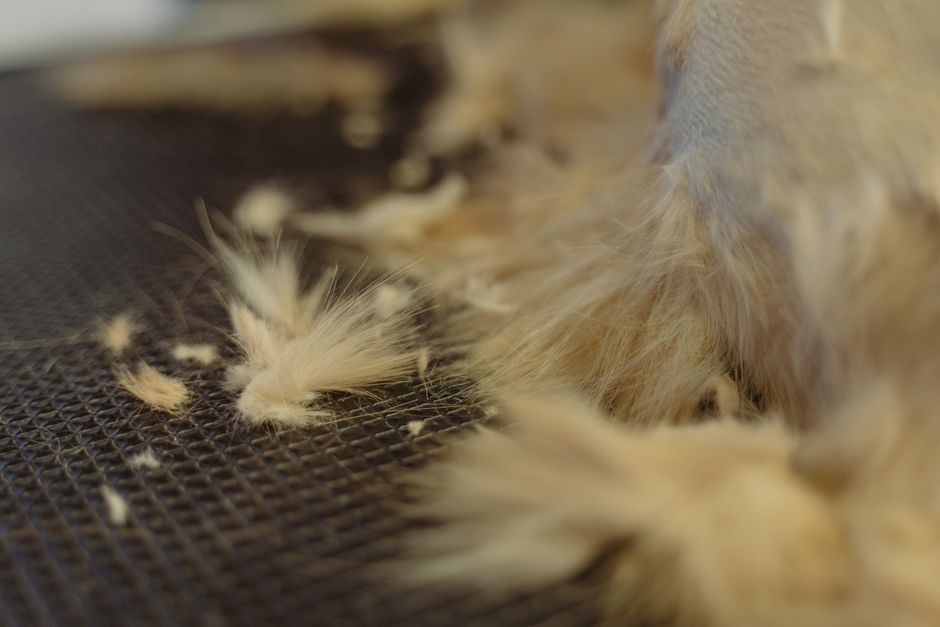
Shedding is mostly a normal seasonal cycle, not a cause for concern on its own. According to veterinarian Dr. Hannah Godfrey (BVetMed MRCVS), cited by PetsRadar, rabbits typically go through two heavy seasonal molts a year, in spring and autumn, with lighter molting in between.
The Normal Molting Cycle
Wild rabbits generally molt twice a year, but domestic rabbits kept indoors often shed more continuously, since they aren’t exposed to the same seasonal light and temperature changes that trigger a clean seasonal cycle in the wild. Dr. Godfrey notes a typical molt lasts “two to six weeks,” with the spring molt – shedding out the thicker winter coat – usually being the heaviest and most noticeable of the year.
The Shedding Pattern Worth Knowing
During a normal molt, hair loss typically starts at the head and progresses down the neck and back, then down the sides of the body, finishing at the rump. Some rabbits don’t follow this pattern precisely and shed in more random clumps instead – both are within the range of normal, but knowing the typical progression helps you judge whether what you’re seeing looks like an ordinary molt or something more irregular.
When Shedding Isn’t Normal
This is the part worth taking seriously. Patchy fur loss, visible bald spots, or excessive shedding that shows up outside the typical spring/autumn molting windows are signs of a problem, not just heavy shedding. Hepper is direct about the stakes here: several of the underlying causes “cause a serious and life-threatening illness if not treated promptly” – this isn’t a category of symptom to wait out.
What Can Cause Abnormal Shedding
- Stress – a genuinely common trigger, tied to environment or handling.
- Fungal infections – ringworm specifically is called out by both sources as a real cause of patchy hair loss.
- Parasites – mites or fleas can drive excessive shedding alongside itching.
- Bacterial skin infections – a separate infection category from fungal causes, also linked to fur loss.
- Environmental factors – Hepper adds drafty enclosures, overcrowding or bullying from cage mates, and pregnancy as less commonly discussed triggers.
- Excessive light exposure or boredom – noted by PetsRadar as additional contributing factors beyond illness.
Normal Molt vs Worth A Vet Visit
| Signal | Normal Molt | Worth A Vet Visit |
|---|---|---|
| Timing | Spring or autumn, or mild ongoing shedding | Sudden, outside typical molt windows |
| Pattern | Head to neck/back to sides to rump, or diffuse | Patchy, uneven, distinct bald spots |
| Skin underneath | Normal | Redness, scabs, or visible irritation |
| Behavior | Unchanged | Itching, discomfort, lethargy |
| Duration | Resolves within a few weeks | Persists or worsens |
Why Shedding Matters More For Rabbits Than Other Pets
This is a genuinely important distinction from cats, which can vomit up ingested hair. PetsRadar is specific about this: rabbits cannot vomit, so swallowed fur from self-grooming during a heavy shed can cause a real intestinal blockage rather than passing as a harmless hairball. This isn’t a minor inconvenience – it’s the reason grooming during shedding season isn’t optional the way it might feel for other pets.
Grooming To Manage Shedding Safely
Both sources converge on similar frequency guidance: brush short-haired rabbits at least weekly, and long-haired breeds daily, increasing frequency during a heavy molt. Regular brushing does double duty – it reduces the amount of loose fur a rabbit ingests while self-grooming, and it clears out the coat faster, shortening how long a heavy shed drags on.
Key Takeaways
- Rabbits typically molt twice a year (spring and autumn), each lasting two to six weeks, with some domestic rabbits shedding more continuously indoors.
- Patchy, uneven fur loss or shedding outside the normal seasonal windows points to a real cause – stress, ringworm, parasites, or infection – not just a heavy shed.
- Rabbits can’t vomit, so ingested fur during shedding carries a genuine intestinal blockage risk that doesn’t apply the same way to cats.
- Regular brushing (weekly for short-haired breeds, daily for long-haired breeds, more during a heavy molt) is a real preventive measure, not just cosmetic upkeep.
FAQ
How long does a rabbit’s spring molt usually last?
A typical molt lasts about two to six weeks, with the spring molt – shedding out the winter coat – usually being the heaviest of the year. If shedding at that intensity continues well beyond six weeks or doesn’t taper off, it’s worth mentioning to a vet rather than assuming it will resolve on its own.
Do indoor rabbits shed as much as outdoor rabbits?
Indoor rabbits often shed more continuously rather than in two clean seasonal bursts, since they aren’t exposed to the natural light and temperature shifts that trigger a distinct wild molting cycle. This more constant, lower-level shedding is generally normal for domestic rabbits kept indoors, not a sign of a problem on its own.
Can I give my rabbit a hairball remedy made for cats?
No – products designed for cats aren’t appropriate for rabbits and shouldn’t be used without a vet’s specific guidance. Since rabbits can’t vomit up ingested fur the way cats do, the safer approach is preventing excess fur ingestion in the first place through regular brushing, rather than trying to treat a blockage risk after the fact with the wrong species’ product.