Preventing Dehydration in Your Pet: Early Signs, Recognition, and What to Do
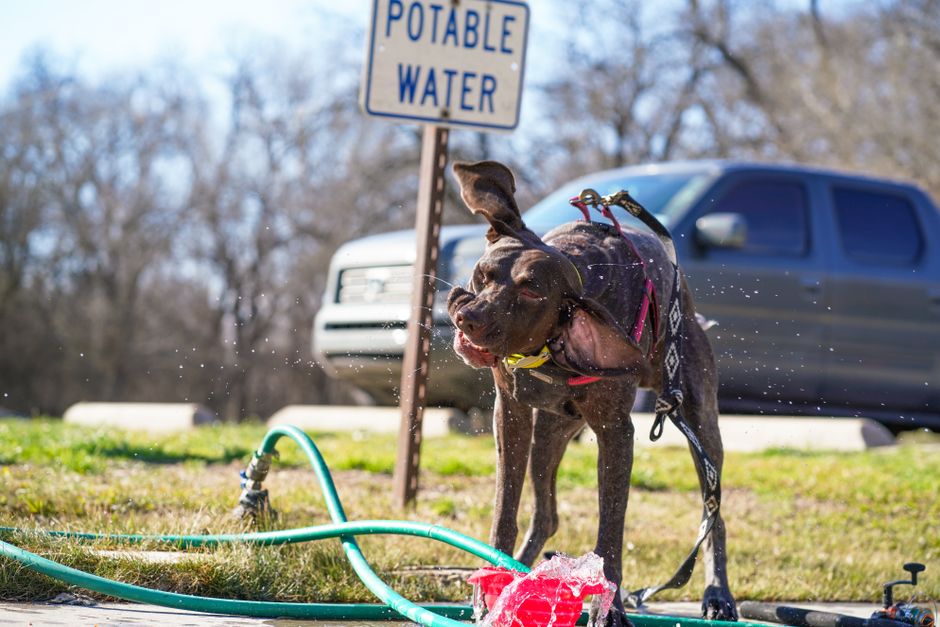
Photo by gabesdotphotos photographer on Pexels
This content was created with AI assistance and is not a substitute for professional veterinary advice.
Quick Answer
If your cat’s gums are tacky or dry, and they have not had water in over 12 hours, contact your veterinarian immediately.
The Problem
Dehydration is a serious health issue that can arise in pets at any time. Whether it’s due to a lack of access to clean water, heatstroke, or underlying medical conditions, dehydration can quickly become life-threatening if left untreated. As a pet owner, it’s essential to know the early signs of dehydration and how to prevent it.
Why It Matters
Dehydration can lead to severe complications, including organ failure, seizures, and even death. Recognizing the early signs of dehydration in your pet can help prevent these complications and ensure their health and safety. By acting quickly, you can help your pet recover from dehydration and prevent long-term damage.
How To Recognize It
Dehydration can cause a range of symptoms in dogs and cats, including dry gums, sunken eyes, excessive panting, and lethargy. In severe cases, dehydration can cause more serious symptoms, such as:
| Sign | Mild | Serious |
|---|---|---|
| Appetite | Slightly reduced | Refuses food entirely |
| Gums | Dry, tacky | Extremely dry, brittle |
| Eyes | Sunken | Deeply sunken |
| Skin | Tacky, dry | Dry, wrinkled |
| Behavior | Lethargic, weak | Restless, agitated |
What To Do
If you suspect dehydration in your pet, there are several steps you can take to help them recover. These include:
- Encourage your pet to drink more water: Offer a bowl of fresh water or try using a water fountain to encourage your pet to drink more.
- Provide a balanced diet: Feed your pet a balanced and nutritious diet that includes plenty of fresh water.
- Monitor your pet’s temperature: Keep an eye on your pet’s temperature and take steps to prevent heatstroke, such as providing a cool place to rest and plenty of fresh water.
- Seek veterinary attention immediately: If your pet shows any of the severe symptoms listed above, or if you suspect dehydration, contact your veterinarian immediately.
When To See A Vet Immediately
If you notice any of the following symptoms in your pet, seek veterinary attention immediately:
- Your cat’s gums are extremely dry and brittle
- Your dog or cat shows signs of severe lethargy or weakness
- Your pet refuses to drink water
- Your pet shows signs of heatstroke, such as a high body temperature, rapid breathing, and dry gums
Products That Help
Investing in a water fountain can encourage your pet to drink more water. Wet food can also help to keep your pet hydrated, especially during hot weather. Consider adding an extra source of fresh water to your pet’s diet, such as a water-rich treat or a wet food supplement.
Key Takeaways
- Dehydration can be a life-threatening condition if left untreated
- Recognizing the early signs of dehydration is crucial to preventing severe dehydration
- Encourage your pet to drink more water by offering a bowl of fresh water or using a water fountain
- Seek veterinary attention immediately if you suspect dehydration in your pet
FAQ
What are the signs of dehydration in dogs and cats?
The signs of dehydration in dogs and cats include dry gums, sunken eyes, excessive panting, and lethargy. In severe cases, dehydration can cause more serious symptoms, such as an extremely dry, brittle mouth and an extremely sunken eye.
How can I prevent dehydration in my pet?
You can prevent dehydration in your pet by encouraging them to drink more water, providing a balanced diet, and monitoring their temperature to prevent heatstroke.
When should I seek veterinary attention for dehydration in my pet?
You should seek veterinary attention immediately if you suspect dehydration in your pet, especially if they show signs of severe lethargy or weakness, refuse to drink water, or show signs of heatstroke.