Building a Basic First-Aid Kit for Your Pet
Photo by Marta Branco on Pexels
This content was created with AI assistance and is not a substitute for professional veterinary advice.
If your pet is unconscious, bleeding heavily, or experiencing difficulty breathing, contact your veterinarian immediately.
The Problem: When Pets Need First Aid
As a pet owner, it’s not a matter of if your pet will need first aid, but when. Whether your pet gets injured in a fall, develops a skin infection, or experiences a heatstroke, having a well-stocked first-aid kit can help you respond quickly and effectively. A pet first-aid kit is essential for any pet owner, whether you’re a seasoned expert or a new pet parent. The goal of this article is to guide you in building a basic first-aid kit for your pet, including what supplies to include and when to seek veterinary attention.
Why It Matters: The Consequences of Not Being Prepared
Ignoring the importance of a pet first-aid kit can have serious consequences. For example, if your pet experiences a minor wound that becomes infected due to a lack of proper care, it can lead to more severe health issues, such as sepsis or even organ failure. Similarly, if your pet suffers from heatstroke, which can develop quickly, it can be life-threatening if not treated promptly and properly. According to the ASPCA, one of the leading animal welfare organizations, heat stroke can develop within a short period.
How To Recognize It: Identifying Signs of Injury or Illness
It’s essential to recognize the signs of injury or illness in your pet. Here are some common signs to look out for:
Mild Signs
| Sign | Description |
|---|---|
| Appetite | Slightly reduced |
| Activity Level | Lethargic or less active than usual |
| Vomiting | Mild vomiting |
| Diarrhea | Mild diarrhea |
Serious Signs
| Sign | Description |
|---|---|
| Appetite | Refuses food entirely |
| Activity Level | Extremely lethargic or unable to move |
| Vomiting | Frequent, persistent vomiting |
| Diarrhea | Severe diarrhea, accompanied by blood |
If you notice any of these signs, it’s crucial to act quickly and contact your veterinarian for advice.
What To Do: Building a Basic First-Aid Kit
Now that you understand the importance of a pet first-aid kit and how to recognize the signs of injury or illness, it’s time to build your own kit. Here are the essential items to include:
General Supplies
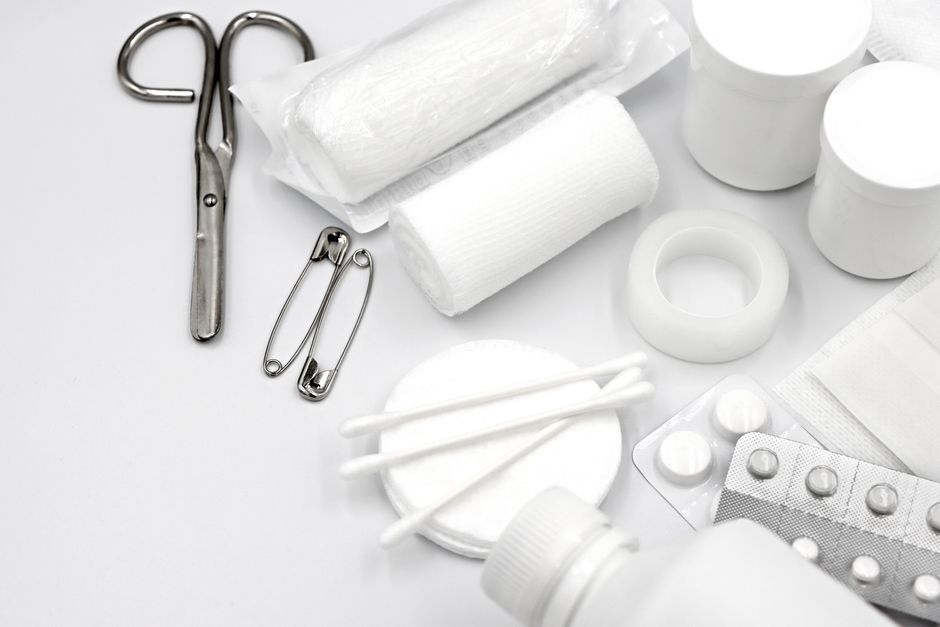
- Gauze pads (various sizes)
- Gauze roll
- Medical tape
- Scissors
- First-aid manual (specific to pets)
- Thermometer (digital or rectal)
- Flashlight
- Whistle to signal for help
Wound Care Supplies
- Antibiotic ointment
- Antiseptic wipes
- Hydrocortisone cream
- Bandages (assorted sizes)
- Eye wash solution
- Triple antibiotic ointment
Miscellaneous Supplies
- Leash
- Carrier or pet crate
- Food and water bowls
- Bowls for medication
- Blanket or towel for wrapping your pet
Products That Help
- First-aid supplies: These include gauze pads, gauze roll, medical tape, scissors, and other basic supplies.
- Wound care supplies: These include antibiotic ointment, antiseptic wipes, hydrocortisone cream, and other products to promote healing and prevent infection.
- Emergency phone numbers: It’s essential to have emergency phone numbers, such as your veterinarian’s phone number, on hand in case of an emergency.
When To See A Vet Immediately
In some situations, it’s crucial to seek veterinary attention immediately. Here are some red-flag signs to look out for:
- Severe bleeding or profuse bleeding
- Difficulty breathing or rapid breathing
- Unconsciousness or lethargy
- Seizures or tremors
- Eye problems, such as redness, discharge, or vision loss
- Difficulty walking or moving
- Severe vomiting or diarrhea
- Fever over 103°F (39.4°C)
- Heatstroke or heat stress
- Poisoning or toxic ingestion
If you notice any of these signs, contact your veterinarian immediately.
Key Takeaways
- Building a pet first-aid kit is essential for any pet owner.
- Recognizing the signs of injury or illness in your pet is crucial for providing proper care.
- A well-stocked first-aid kit can help you respond quickly and effectively to minor injuries and illnesses.
- Always seek veterinary attention if you’re unsure about the severity of your pet’s condition.
- Keeping a first-aid manual and emergency phone numbers on hand can be lifesaving.
FAQ
Why is it essential to include a first-aid manual in a pet first-aid kit?
A first-aid manual provides essential information on how to treat common pet injuries and illnesses, including what supplies to use and how to administer them.
What should I do if my pet ingests a toxic substance?
If you suspect your pet has ingested a toxic substance, contact your veterinarian immediately or the ASPCA’s Animal Poison Control Center (APCC) at (888) 426-4435.
Can I use human first-aid supplies for my pet?
No, human first-aid supplies are not suitable for pets. Use pet-specific first-aid supplies to ensure your pet receives the best care possible.