Dog Toys That Actually Keep Your Pet Busy for Hours
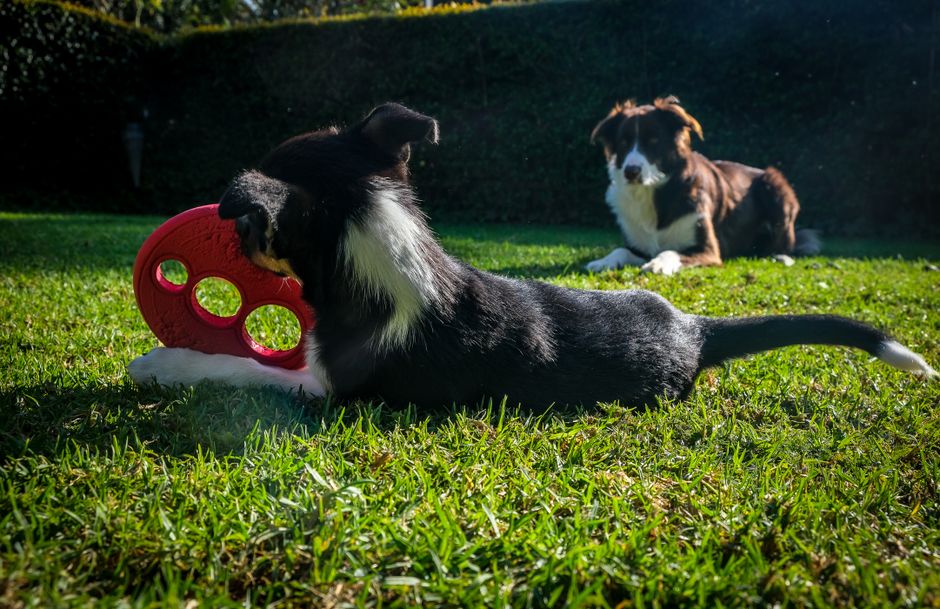
Photo by Magda Ehlers on Pexels
This content was created with AI assistance and is not a substitute for professional veterinary advice.
The Problem
Do you often find yourself wondering how to keep your dog busy and engaged while you’re working, relaxing, or running errands? Dog boredom is a common issue many pet owners face, leading to destructive behavior, anxiety, and even health problems. A bored dog can resort to chewing on furniture, digging in the yard, or exhibiting other unwanted behaviors. This can be frustrating and even embarrassing for pet owners.
Why It Matters
Dog boredom is more than just a minor annoyance; it can have significant consequences for your pet’s physical and mental well-being. Prolonged boredom can lead to:
- Increased stress and anxiety
- Destructive behavior
- Weight gain or loss
- Decreased physical activity
- Loss of training and social skills
What To Do
So, how can you keep your dog busy and engaged? Here are some practical tips:
- Create a doggy play area or “zoom room” with toys, tunnels, and climbing structures.
- Rotate toys regularly to keep things interesting and prevent boredom.
- Engage your dog in physical activities, such as walks, runs, or playtime in the park.
- Teach new tricks and commands to challenge your dog’s mind and body.
- Provide interactive toys, puzzle feeders, and treat-dispensing toys to keep your dog engaged.
- Consider hiring a dog walker or asking a friend to visit your dog during the day.
How To Recognize It
If you’re unsure whether your dog is experiencing boredom, look out for these signs:
| Sign | Mild | Serious |
|---|---|---|
| Appetite | Slightly reduced | Refuses food entirely |
| Behavior | Whining, pacing, or restlessness | Destructive behavior, chewing, or digging |
| Physical Health | Slightly decreased exercise | Unexplained weight gain or loss |
If you notice any of these signs in your dog, it’s essential to address the issue promptly.
When To See A Vet Immediately
There are instances where boredom can become a serious health issue. If you notice any of the following signs, seek veterinary advice immediately:
- Vomiting or diarrhea
- Blood in stool or urine
- Loss of appetite or water intake
- Severe lethargy or depression
- Prolonged destructive behavior or anxiety
Products That Help
Interactive toys are an excellent way to keep your dog engaged and entertained. Here are some categories of products that can help:
- Puzzle feeders: These toys require problem-solving skills, keeping your dog engaged for hours. Examples include:
- Kong Wobbler
- Tricky Treat Ball
- Buster Cube
- Treat-dispensing toys: These toys challenge your dog to work for rewards, reducing boredom and increasing motivation. Examples include:
- Nina Ottosson Dog Brick
- Outward Hound Brick Puzzle
- Pet Zone Treat Wobbler
- Long-lasting chews: Durable chews can provide hours of entertainment and satisfaction for your dog. Examples include:
- Bully Sticks
- Kong Extreme Chew
- Ora-Vet Dental Chews
Key Takeaways
Key Takeaways
- A bored dog can resort to destructive behavior, anxiety, and health problems.
- Interactive toys, puzzle feeders, and treat-dispensing toys can help reduce boredom and engage your dog.
- Rotate toys regularly and provide a variety of activities to prevent boredom.
- Look out for signs of boredom in your dog, such as decreased exercise, destructive behavior, or lack of interest in food or water.
- Seek veterinary advice immediately if you notice any severe signs or symptoms.
FAQ
How often should I rotate my dog’s toys?
Rotate toys every 1-2 weeks to keep things interesting and prevent boredom. You can also switch between different toy categories, such as from puzzle feeders to treat-dispensing toys.
Can I use human toys for my dog?
No, human toys are not designed for dogs and can pose a choking hazard or other safety risks. Use dog-specific toys that meet your dog’s needs and ensure their safety.
How can I prevent boredom in my senior dog?
Senior dogs require less exercise and stimulation than younger dogs. Engage your senior dog in gentle activities, such as short walks or playtime with interactive toys, to keep them entertained and stimulated.