Dog Tail Language Chart
Height tells you one thing and wag speed tells you another – and a genuinely surprising research finding shows even which direction a tail wags carries meaning.
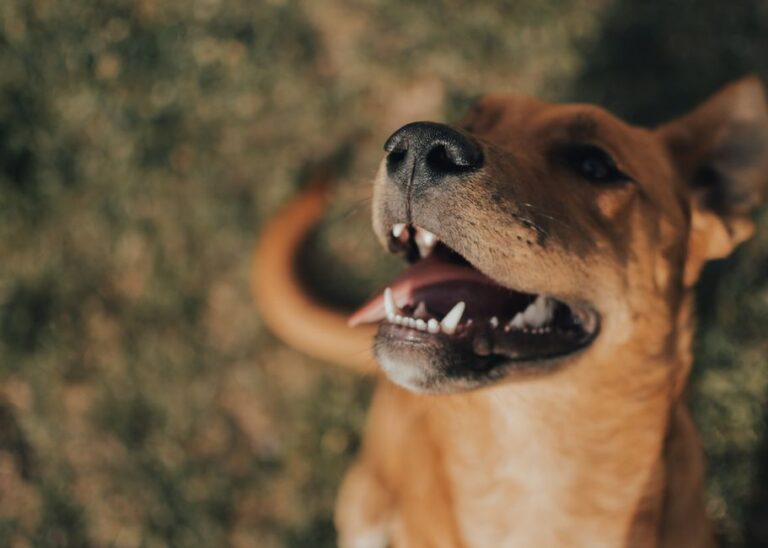
Height tells you one thing and wag speed tells you another – and a genuinely surprising research finding shows even which direction a tail wags carries meaning.

No single signal tells the whole story – tail, ears, eyes, whiskers, and posture need to be read together to know what a cat is actually communicating.

Biting is almost always defense, not aggression – the trigger is usually scent, sleep disruption, stress, or occasionally pain, and each has a different fix.
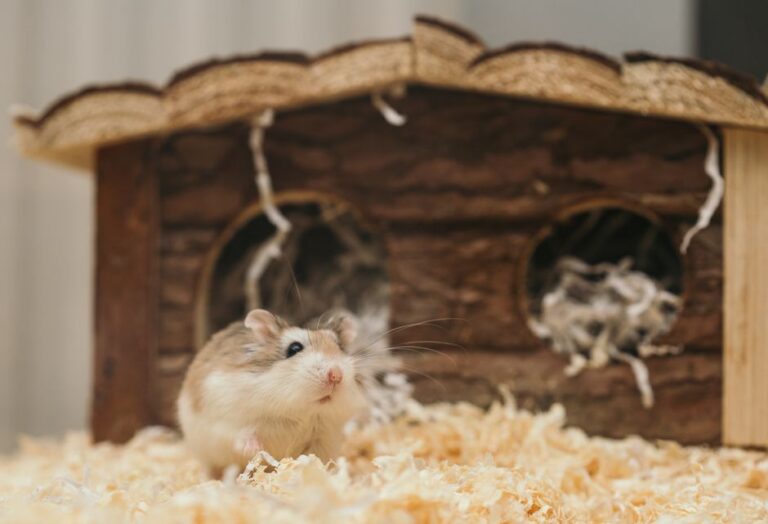
Hamsters show stress through a recognizable set of behaviors – but since they can mask illness too, persistent signs deserve a vet check, not just an environment fix.

It’s how dogs actually experience the world, and sniffing itself has real calming, brain-engaging benefits – not just idle curiosity.
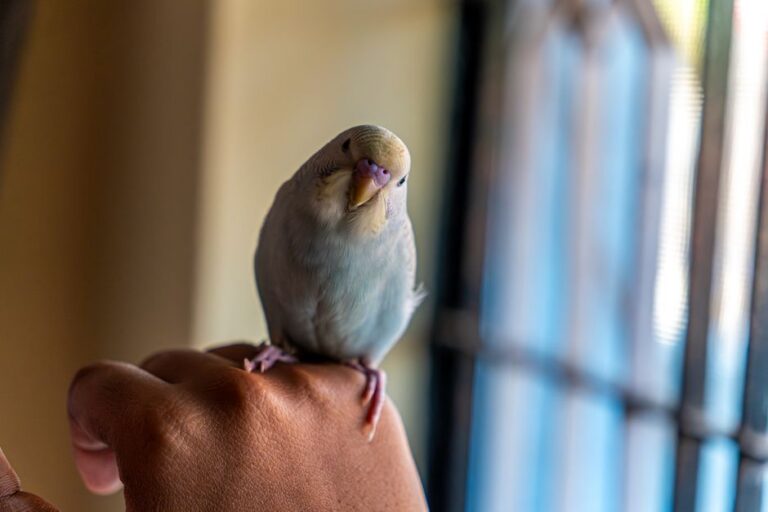
Taming works through patience and predictability, not speed – budgies are prey animals, and forcing the process only sets it back further.
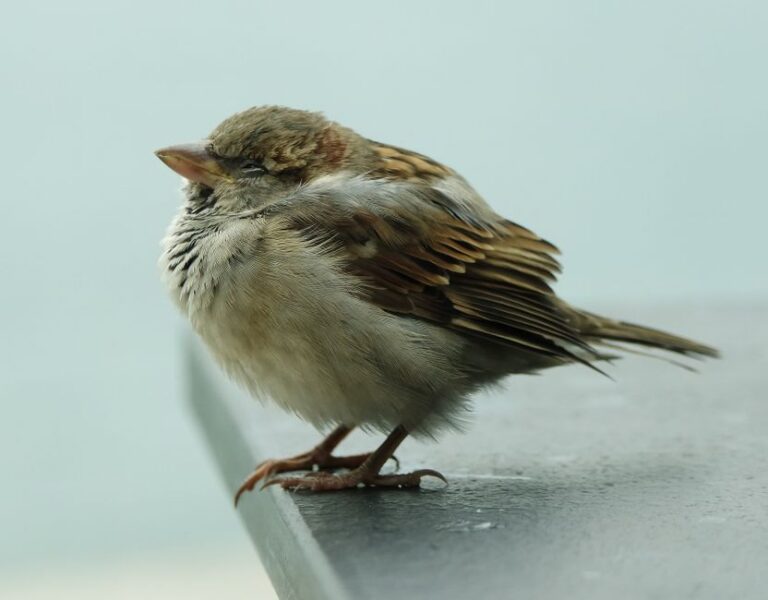
Puffing has plenty of harmless explanations, but it’s also one of the earliest illness signs in birds – and birds are built to hide sickness, not show it.

Cats show affection differently than dogs – mostly through quiet signals like a slow blink or a head bump, not big obvious displays.
Digging is instinctive, not misbehavior – it covers a handful of real reasons, and each one has a genuinely different fix.