How to Reduce Pet Odor in Your Home Naturally
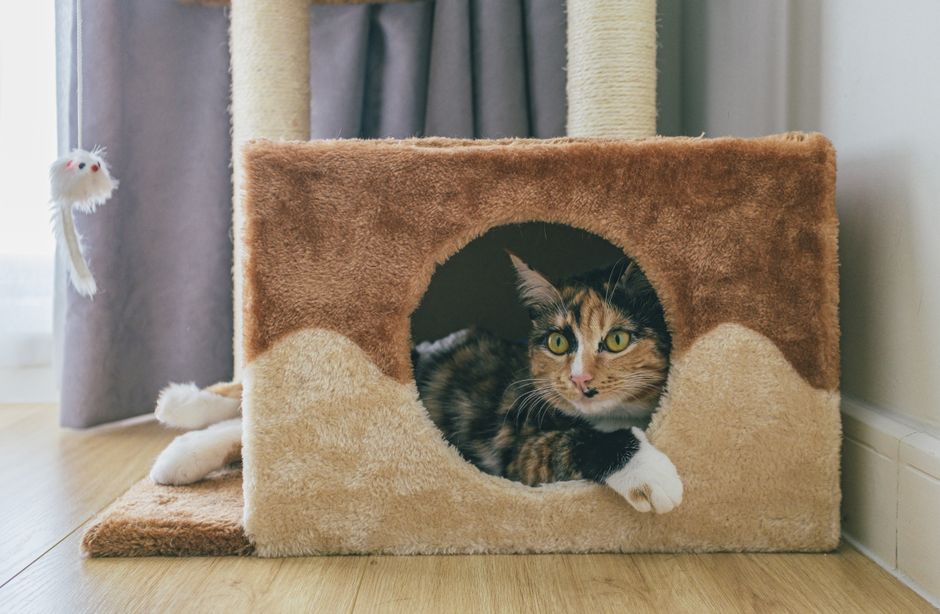
Photo by Huy Phan on Pexels
This content was created with AI assistance and is not a substitute for professional veterinary advice.
Quick Answer
If your pet’s urine or feces have not been cleaned promptly and thoroughly, odors can penetrate deep into your carpets, upholstery, and hardwood floors, making it challenging to remove.
The Problem: Understanding Pet Odor
Pet odor is a common issue for many pet owners. From dirty litter boxes to accidents outside, it seems like pet odors are everywhere. But what exactly is pet odor, and why is it so persistent? Pet odor is caused by the combination of urine, feces, dander, and saliva. When these substances break down, they release pungent compounds that can linger in your home for hours, even days.
According to thisoldhouse.com, pet odors can be particularly challenging to remove from carpets, as they can penetrate deep into the fibers. In fact, studies have shown that pet odors can remain in carpets for up to two years, long after the initial smell has faded.
Why It Matters: The Health and Safety Implications of Pet Odor
While pet odors may seem like a minor issue, they can have serious health and safety implications. For example, pet owners who live in homes with high levels of pet dander and odor are at a higher risk of developing allergies and respiratory problems. Additionally, pet odors can also lead to bacterial and fungal growth, which can exacerbate existing medical conditions like asthma.
How To Recognize Pet Odor: Identifying the Signs
Pet odor can be challenging to identify, especially if you’re used to living in a home with pets. However, there are some key signs to look out for:
- Strong smelling areas: If you notice areas in your home that have a particularly strong, unpleasant smell, it could be a sign of pet odor.
- Visible signs of pet accidents: If you notice accidents in the form of urine or feces, it’s essential to clean them promptly and effectively to prevent the growth of bacteria and mold.
- Visible pet dander and hair: If you notice an excessive amount of pet dander and hair in your home, it could be contributing to the odor.
What To Do: Effective Strategies for Removing Pet Odor
Removing pet odor requires a combination of effective cleaning strategies and preventative measures. Here are some steps you can take:
- Clean promptly: Clean any areas where your pet has had an accident as soon as possible to prevent the growth of bacteria and mold.
- Use a high-quality cleaning solution: Use a cleaning solution specifically designed to remove pet odor, such as a baking soda and vinegar mixture or a commercial product containing enzymes.
- Use an air purifier: Install an air purifier in areas of your home where pet odor is prevalent to help remove allergens and odors from the air.
- Consider a deodorizer: Use a deodorizer specifically designed to eliminate pet odor, such as Odor-Away or Pet Odor Destroyer.
When To See A Vet Immediately
In some cases, pet odor can be a sign of a more serious underlying issue. Here are some signs to look out for:
- Vomiting or diarrhea: If your pet is vomiting or having diarrhea, it could be a sign of a more serious health issue that requires urgent veterinary attention.
- Loss of appetite: If your pet has lost their appetite, it could be a sign of a more serious health issue that requires urgent veterinary attention.
- Increased urination: If your pet is urinating more frequently than usual, it could be a sign of a more serious health issue that requires urgent veterinary attention.
Products That Help: Essential Tools for Pet Odor Removal
Here are some essential tools to help remove pet odor:
- Litter boxes with odor-absorbing technology: Consider using a litter box with activated charcoal or zeolite for effective odor absorption.
- Grooming supplies: Regular grooming can help reduce pet odor. Consider using a brush or combs for your pet.
- Air purifiers: Install an air purifier in areas of your home where pet odor is prevalent to help remove allergens and odors from the air.
- Natural cleaning products: Consider using natural cleaning products specifically designed to remove pet odor.
Key Takeaways
- Pet odor can penetrate deep into carpets, upholstery, and hardwood floors, making it challenging to remove.
- Regular grooming can help reduce pet odor.
- Using a high-quality cleaning solution and air purifier can help remove pet odor from your home.
- In some cases, pet odor can be a sign of a more serious underlying issue, so it’s essential to seek veterinary attention if you notice any unusual symptoms.
FAQ
How long does it take for pet odors to disappear?
The length of time it takes for pet odors to disappear can vary depending on the type of odor and the effectiveness of cleaning measures. In some cases, pet odors can remain for up to two years.
Can I use baking soda and vinegar to remove pet odors?
Yes, baking soda and vinegar can be an effective combination for removing pet odors. Simply sprinkle baking soda on the affected area, let it sit for 30 minutes, and then scrub with a damp cloth and vinegar solution.
What is zeolite, and how can I use it to remove pet odors?
Zeolite is a natural mineral that can absorb and neutralize pet odors. You can sprinkle zeolite on affected areas and let it sit for 30 minutes before sweeping or vacuuming.