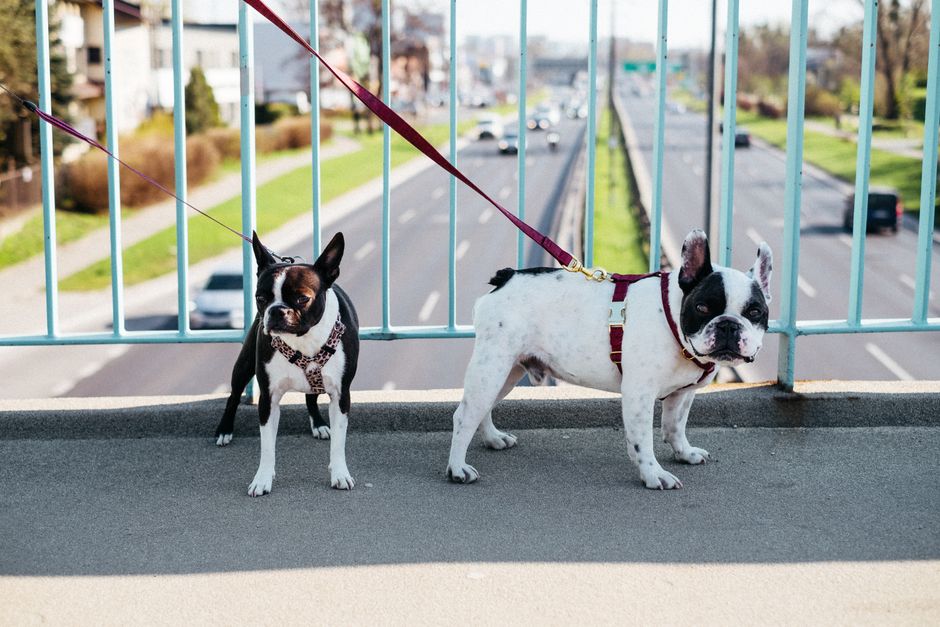
Choosing the Right Gear: Harness, Collar, or Leash for Your Pet
Photo by freestocks.org on Pexels
This content was created with AI assistance and is not a substitute for professional veterinary advice.
Choosing the Right Gear: A Quick Guide
Select the right gear based on your pet’s size, breed, age, and comfort level.
Pet owners often face a problem when deciding between collars, harnesses, and leashes for their furry friends. Each option has its pros and cons, and making the wrong choice can lead to discomfort, safety issues, or even injuries. However, with the right guidance, pet owners can choose the best gear for their pets, ensuring a fun and stress-free experience for both.
The Problem: Choosing the Right Gear for Your Pet
Many pet owners struggle with choosing the right gear for their pets due to the various options available in the market. They may not know what to look for or may be unaware of the potential risks associated with each type of gear. Some pet owners may choose a gear based on its popularity or price, without considering the individual needs of their pets. This can lead to a range of problems, including discomfort, injuries, and safety issues.
Why It Matters: Safety, Comfort, and Control
Choosing the right gear for your pet is crucial for their safety, comfort, and control during outdoor adventures. The wrong gear can lead to a range of problems, including:
- Choking hazards with collars that are too tight or too loose
- Injury from harnesses that do not fit properly or are made from low-quality materials
- Loss of control with leashes that are too long or too short
- Discomfort and stress caused by ill-fitting or poorly designed gear
How To Recognize It: Signs of Discomfort or Safety Issues
Pet owners can recognize signs of discomfort or safety issues by observing their pets’ behavior and physical condition. Some common signs include:
- Chafing, redness, or irritation on the skin
- Restlessness, whining, or trying to escape from the gear
- Difficulty walking or running due to discomfort or pressure
- Signs of fatigue, such as panting, yawning, or lying down frequently
| Sign | Mild | Serious |
|---|---|---|
| Appetite | Slightly reduced | Refuses food entirely |
| Lethargy | Appears sleepy or disinterested | Refuses to move or respond |
| Skin Health | Mild redness or irritation | Severe chafing or open wounds |
What To Do: Choosing the Right Gear for Your Pet
Pet owners can choose the right gear for their pets by considering the following factors:
- Size and breed: Select gear that is specifically designed for small, medium, or large breeds.
- Age: Choose gear that is suitable for puppies, adult dogs, or senior pets.
- Comfort level: Select gear that is designed for pets with sensitive skin or allergies.
- Activity level: Choose gear that is designed for high-activity or low-activity pets.
- Material: Select gear made from high-quality, breathable materials.
- Adjustability: Choose gear that is adjustable to ensure a comfortable fit.
When To See A Vet Immediately
If you notice any of the following signs, seek veterinary attention immediately:
- Severe discomfort or pain
- Signs of injury or trauma
- Refusal to eat or drink
- Lethargy or collapse
- Severe skin irritation or open wounds
Products That Help: Harnesses, Collars, and Leashes
Pet owners can choose from a range of harnesses, collars, and leashes that are designed for comfort, safety, and control. Some popular options include:
- Halti Harnesses: Designed for small to medium-sized breeds, these harnesses provide comfort and control during walks.
- Kurgo Harnesses: Suitable for medium to large breeds, these harnesses are designed for high-activity pets.
- Puppia Collars: Designed for small to medium-sized breeds, these collars provide comfort and style.
- Flexi Leashes: Suitable for all breeds, these leashes provide flexibility and control during walks.
Key Takeaways
- Choose the right gear based on your pet’s size, breed, age, and comfort level.
- Consider factors such as material, adjustability, and activity level when selecting gear.
- Monitor your pet’s behavior and physical condition for signs of discomfort or safety issues.
- Seek veterinary attention immediately if you notice any of the following signs: severe discomfort, signs of injury, refusal to eat or drink, lethargy, or severe skin irritation.
FAQ
Can I use a harness and collar together?
Yes, you can use a harness and collar together, but make sure the harness is designed to work with a collar.
How often should I clean my pet’s gear?
Clean your pet’s gear regularly to prevent the buildup of dirt, bacteria, and odors.
Can I use a leash that is too long?
No, a leash that is too long can lead to loss of control and safety issues. Choose a leash that is adjustable and suitable for your pet’s activity level.