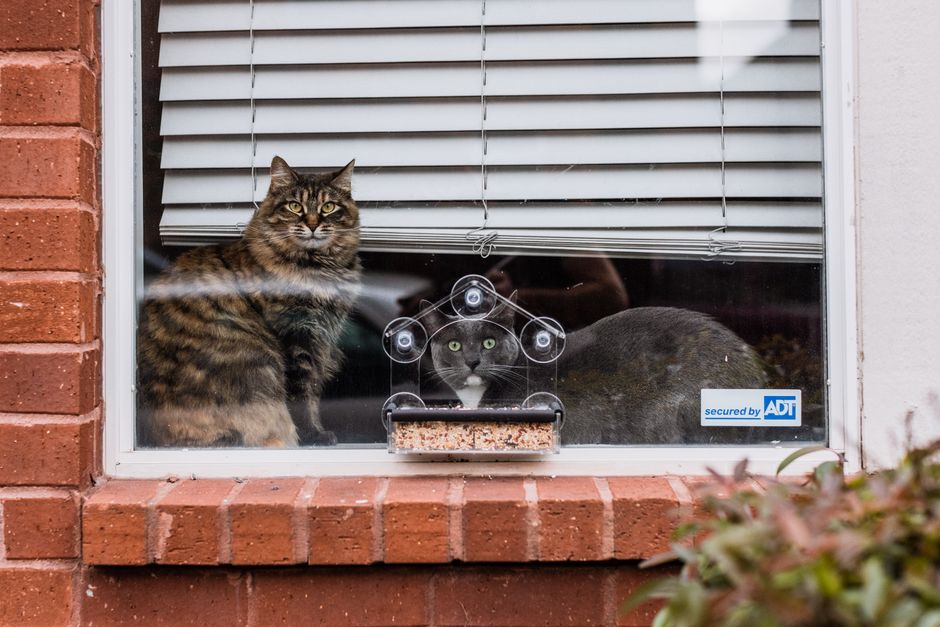
Why Do Cats Chirp at Birds? What This Sound Actually Means
Photo by K on Pexels
This content was created with AI assistance and is not a substitute for professional veterinary advice.
Chirping – a short, high-pitched trill or chatter, usually aimed at birds or squirrels through a window – is almost always excitement, not distress.
Why Cats Chirp at Birds
Cats chirp most often when they’re watching prey they can’t reach – a bird on a windowsill, a squirrel in the yard. Vets and behaviorists generally describe it as an involuntary reaction tied to the hunting instinct: the jaw chatters and the sound comes out as a chirp or trill, often paired with intense focus and a twitching tail.
When Chirping Means Something Else
Not all chirping is prey-watching. Some cats chirp as a friendly greeting to their owner, especially breeds known for being vocal. This is a different context – it happens when you walk in the room or make eye contact, not when they’re fixated on something outside.
When To See A Vet Immediately
Chirping itself is not a medical concern. But get it checked if it’s paired with:
- Sudden new vocalizing that’s constant, not situational
- Signs of pain (hiding, reduced appetite, flinching when touched)
- Disorientation or vocalizing at odd hours in an older cat, which can point to cognitive decline
What To Do
- If it’s prey-watching: this is normal and doesn’t need fixing – a cat tree by the window gives them a comfortable spot to do it.
- If it’s greeting-chirping: respond to it, it’s your cat trying to communicate.
- Track when it happens – context (window vs. greeting vs. constant) tells you which category you’re dealing with.
Key Takeaways
- Chirping is usually excitement from watching prey, not distress.
- Some cats also chirp as a greeting – context tells the two apart.
- Sudden, constant, or pain-associated vocal changes are worth a vet visit.
FAQ
Do all cats chirp at birds?
No – it varies a lot by individual cat and can be more common in certain vocal breeds, but plenty of cats never do it.
Can chirping be trained or stopped?
It’s an involuntary reaction to prey-watching, so it isn’t something to train away – blocking the window view is the only way to reduce it.