Why Does My Cat Eat Grass?
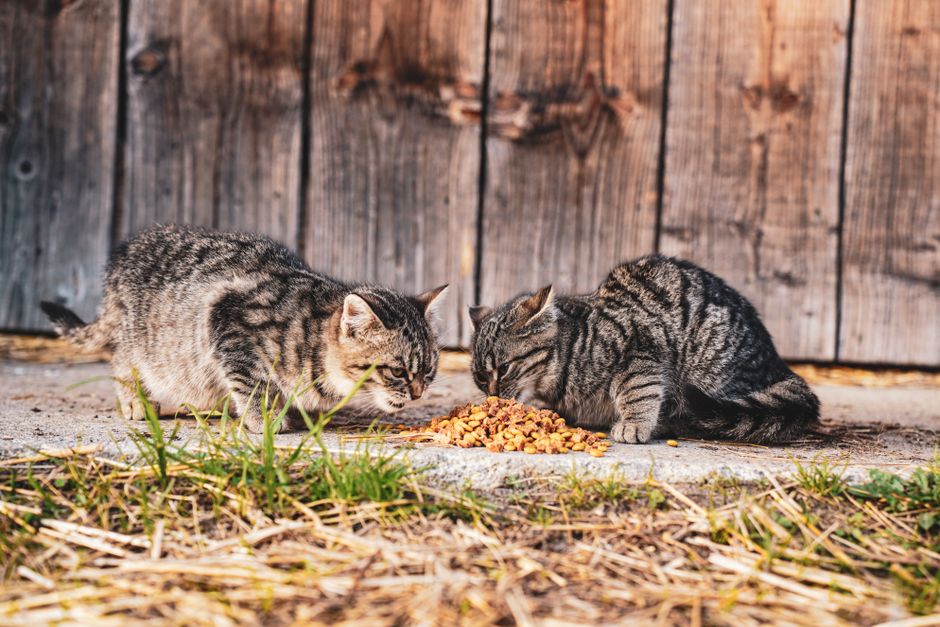
Photo by Vladimir Srajber on Pexels
This content was created with AI assistance and is not a substitute for professional veterinary advice.
It’s far more common than most owners assume – a survey of over 2,000 cat owners cited by the Animal Medical Center found “nearly three-quarters of cats ate plants” regularly – and despite the popular belief, the same research suggests it’s probably not really about hairballs.
How Common Is This, Really?
That “three-quarters of cats” figure, cited by AMC’s Dr. Ann Hohenhaus, reframes the whole question – grass-eating isn’t an unusual quirk a small number of cats have, it’s closer to typical feline behavior. That context matters before assuming something’s wrong just because a cat regularly nibbles grass.
The Hairball Myth: What The Research Actually Shows
The most common explanation owners assume is that cats eat grass to help bring up hairballs – but the research doesn’t back that up. AMC points to two findings: the same 2,000-owner study “found no differences between plant consumption in shorthair versus long-haired cats,” which undercuts the fur-based theory (if it were about hairballs, longer-haired cats should eat more grass, and they don’t). A separate study on snow leopards backs this up further – “plant ingestion did not provoke vomiting,” and “the amount of hair passed in the scat was in no way related to the amount of plant material.” PetMD cites the same 2021 research reaching the same conclusion. The popular explanation is intuitive, but it isn’t what the evidence actually shows.
So Why Do Cats Actually Do It?
With the hairball theory weakened, a few other explanations are better supported:
- Mild fiber support. PetMD notes grass that passes through undigested may help stimulate colon movement in cats with mild constipation, similar to how a higher-fiber diet is sometimes recommended.
- An ancestral, unconfirmed theory. Wild animals have been observed eating plant material that contains expelled parasites, suggesting a possible evolutionary root – though PetMD is clear this isn’t confirmed in domestic cats specifically.
- Simple preference. PetMD lists taste and texture as a plausible, mundane explanation on its own – some cats just seem to like it.
- Not a response to feeling sick. AMC notes cats in the research “didn’t show signs of illness before consuming plants,” which argues against grass-eating being a compensatory reaction to an upset stomach in most cases.
Normal Grass Eating vs Worth Watching
| Sign | Normal | Worth Watching |
|---|---|---|
| Frequency | Occasional nibbling | Frequent, daily eating and vomiting |
| Vomiting | Rare or none | Regular vomiting tied to grass |
| Other symptoms | None | Lethargy, appetite change, diarrhea |
| Amount | Small nibbles | Large quantities at once |
Is It Safe?
Untreated grass itself is generally safe in reasonable amounts. The real risks are elsewhere: PetMD warns that large quantities of any plant material can risk an intestinal blockage, and grass or plants treated with pesticides or fertilizer carry a separate chemical risk unrelated to the grass itself. There’s also an indirect danger worth naming – a cat without access to a safe plant to nibble may turn to houseplants instead, some of which (lilies being a well-known example) are genuinely toxic to cats.
Safer Ways To Let Your Cat Eat Grass
PetMD’s practical recommendation is straightforward: grow cat-safe grass at home – wheat or oat grass seeds are commonly used – so an indoor cat has a controlled, pesticide-free option instead of reaching for whatever houseplant happens to be nearby. This satisfies the instinct directly rather than trying to eliminate it.
When To See A Vet
Occasional, low-key grass eating isn’t something to worry about. PetMD is specific that frequent vomiting after eating grass can point to gastrointestinal disease or parasites, and working out the cause typically involves fecal testing, bloodwork, or imaging like ultrasound – not something to diagnose from home. If grass-eating and vomiting becomes a regular pattern rather than an occasional event, that’s the signal to get an actual exam rather than assuming it’s just normal grass-eating behavior.
Key Takeaways
- Grass-eating is genuinely common – research puts it at roughly three-quarters of cats, not a rare quirk.
- The popular hairball theory isn’t well supported by research – coat length doesn’t predict how much a cat eats grass, and study data shows no real link to hair passed.
- Mild fiber support and simple preference are better-supported explanations, though the full picture isn’t settled.
- Frequent vomiting tied to grass-eating, or other symptoms alongside it, is worth a vet visit rather than assuming it’s normal.
FAQ
Do indoor cats need a grass-eating outlet more than outdoor cats?
In a practical sense, yes – an outdoor cat has ready access to grass on its own terms, while an indoor cat’s only safe option is whatever you provide, which is exactly why growing cat-safe grass indoors matters more for indoor-only cats. It also reduces the chance an indoor cat turns to a toxic houseplant instead.
Does my cat eating grass mean it has a nutrient deficiency I should fix with supplements?
Not necessarily – PetMD notes a possible nutritional angle exists in theory, but it remains unproven, and grass-eating is common even in cats on a complete, well-balanced diet. Adding supplements on your own isn’t a recommended response to grass-eating alone; a vet visit is the right move if you’re actually concerned about your cat’s diet.
Should I worry if my cat eats grass but never vomits afterward?
No – vomiting isn’t actually a required or expected part of grass-eating based on the research, so a cat that nibbles grass without throwing up isn’t doing anything unusual or concerning. The pattern worth watching is frequent vomiting, not the grass-eating itself.