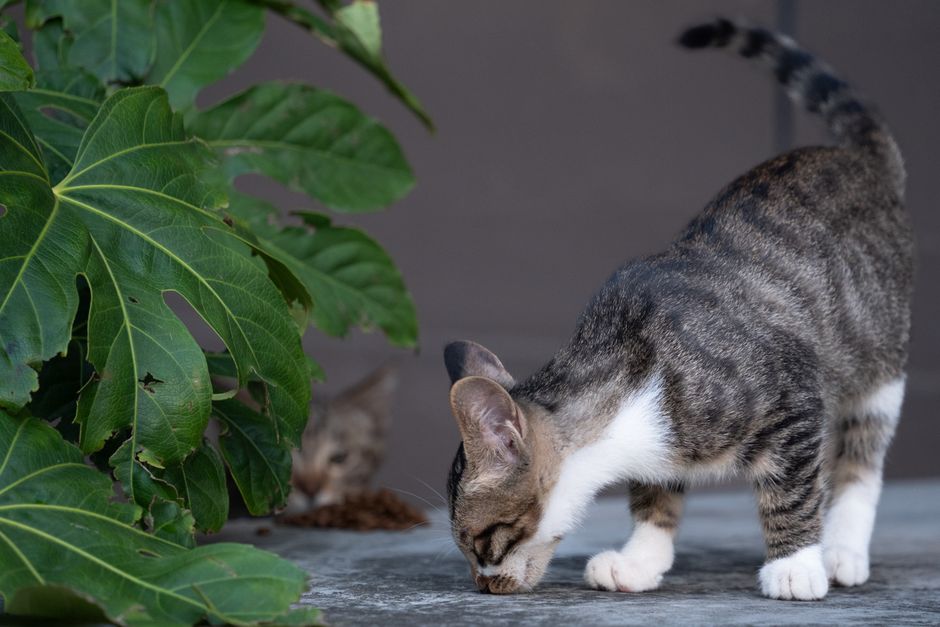
Can Cats Eat Watermelon?
Photo by Ec lipse on Pexels
This content was created with AI assistance and is not a substitute for professional veterinary advice.
Yes – small amounts of seedless watermelon flesh are safe for healthy cats as an occasional treat. PetMD puts a bite-sized portion as typically sufficient, while the seeds and rind are where the actual precautions matter.
Is Watermelon Actually Safe For Cats?
PetMD confirms the flesh itself isn’t a concern for most healthy cats in small quantities. Catster adds that watermelon does offer some real nutrients – vitamin A and lycopene – along with a hydration boost that can be genuinely useful in warm weather, even if it’s a minor benefit rather than a meaningful part of a cat’s diet.
Why Seeds And Rind Are Different
This is where the real caution lives, and the two parts carry different specific risks:
- Seeds should always be removed. PetMD notes they “contain trace amounts of cyanide,” but Catster adds an important clarification – that amount is genuinely trace and “wouldn’t cause poisoning.” The real practical risk from seeds is choking or intestinal blockage, not toxicity, so the caution is worth keeping in proportion: remove them because of physical risk, not because a stray swallowed seed is likely to poison your cat.
- Rind is a separate problem entirely – it’s tough and difficult for cats to digest, and both sources agree it should never be offered, since it carries its own choking and blockage risk.
Watermelon Safety At A Glance
| Part | Safe? | Main Risk |
|---|---|---|
| Flesh (seedless) | Yes, in small amounts | Sugar content in excess |
| Seeds | No | Choking/blockage risk (not poisoning) |
| Rind | No | Difficult to digest, choking/blockage risk |
Why Cats Don’t Get Much Out Of It Nutritionally
Worth keeping in perspective: cats are obligate carnivores, and PetMD is direct that they’re “unable to extract significant nutritional value from foods such as watermelon.” Whatever vitamins are present don’t translate into a meaningful nutritional contribution the way animal protein does – watermelon is a treat and a minor hydration boost, not something that fills any real dietary gap.
Who Should Skip It Entirely
Catster is specific that watermelon’s natural sugar content makes it a poor choice for certain cats: obese cats and cats with diabetes shouldn’t have it at all, since the sugar can work against blood sugar control or weight management. Cats on a prescription diet should also skip it, since treats outside that diet can undercut the reason the diet was prescribed in the first place.
How Much Is Safe?
Catster frames the portion using the general treat guideline that treats should stay under roughly 10% of a cat’s daily calories – for a typical 10-pound cat eating around 262 calories a day, that works out to about 26 calories from watermelon at most, which lines up with Catster’s practical description: a piece “the size of a pair of dice,” essentially one or two small bites, offered occasionally rather than as a regular addition to meals.
When To See A Vet
Catster recommends watching for excessive itching or gastrointestinal issues after watermelon, and if a cat accidentally swallows seeds, monitoring closely for signs of stomach upset – contact a vet if anything concerning shows up rather than assuming it will pass on its own.
Key Takeaways
- Small, seedless pieces of watermelon flesh are safe for most healthy cats as an occasional treat.
- Seeds carry only trace cyanide – not enough to poison a cat – but they’re removed because of a real choking and blockage risk instead.
- Rind should never be offered; it’s hard to digest and carries the same physical risks as seeds.
- Diabetic, obese, or prescription-diet cats should skip watermelon entirely due to its sugar content.
FAQ
Is yellow watermelon different or safer than red watermelon for cats?
No meaningful difference – the same seed, rind, and sugar precautions apply regardless of the flesh color, since yellow watermelon is simply a different variety with a similar nutritional profile to red watermelon.
Can kittens have watermelon?
It’s better to wait until a kitten is fully established on a complete kitten diet and treats are introduced gradually, rather than offering watermelon to very young kittens. When treats are appropriate, the same seed/rind removal and small-portion rules apply, just scaled down further for a kitten’s smaller size.
Is frozen watermelon a good hot-weather treat for cats?
It can work as an occasional novelty in small, appropriately sized pieces, but freezing doesn’t change any of the underlying precautions – seeds and rind still need to be removed first, and the same small-portion guidance still applies regardless of temperature.