Best Cat Breeds for Kids
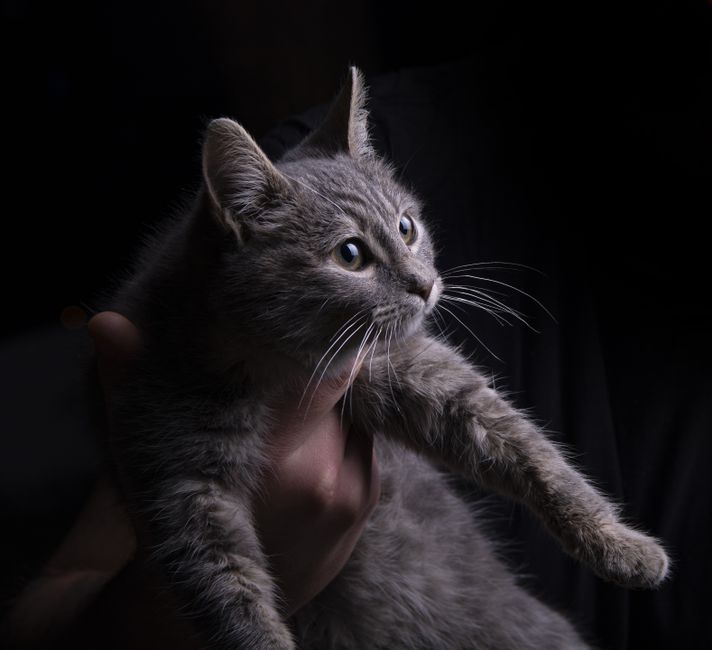
Photo by Samed Bayrak on Pexels
This content was created with AI assistance and is not a substitute for professional veterinary advice.
Certain breeds are commonly recommended for families with children, based on genuinely gentle, tolerant temperaments – but according to PetMD, “breed isn’t everything.” Real research on cat scratching behavior backs that up, suggesting household dynamics matter just as much as which breed you pick.
Breeds Commonly Recommended For Families With Kids
PetMD’s list leans toward breeds known for being laid-back and tolerant of handling:
- Ragdoll and Maine Coon – both described as extremely docile and gentle, even with younger children.
- American Shorthair – playful and social, with an easygoing, reliable temperament.
- Siamese – social and interactive, though PetMD notes they demand significant attention in return.
- Birman and Burmese – affectionate lap cats with real interactive play energy, not just cuddly and passive.
- Norwegian Forest Cat and Scottish Fold – calm, fun-loving, and companionable.
- Siberian and Manx – tolerant of noise and household activity, playful and loyal.
- Abyssinian – athletic and energetic, but PetMD specifically notes their more delicate build makes them better suited to older, gentler children rather than toddlers.
Breed Temperament At A Glance
| Breed | Known For |
|---|---|
| Ragdoll | Extremely docile, gentle with young kids |
| Maine Coon | Gentle giant, tolerant |
| American Shorthair | Easygoing, reliable |
| Siamese | Social, but attention-demanding |
| Birman / Burmese | Affectionate, interactive |
| Abyssinian | Energetic – better for older kids |
What Actually Makes A Cat Good With Kids
Beyond breed, PetMD emphasizes a genuinely “laid-back, tolerant, and gentle” disposition as the real trait to look for – and just as important, teaching kids to read a cat’s body language. Specific warning signs worth knowing: flat ears, dilated pupils, and a tail held tightly are all signs a cat needs space, not more interaction. PetMD’s practical guidance for kids is refreshingly simple: a firm “no tail-pulling” rule, and general respect for a cat’s boundaries rather than treating them like a toy.
What Real Research Says About Cats And Kids At Home
This is the part most breed lists skip. A 2024 study in Frontiers in Veterinary Science, examining over 1,200 cats, found that “the presence of a child may be associated with scratching episodes” in the home – not tied to any particular breed, but to household dynamics themselves. The researchers propose that heightened play and activity levels can trigger sustained stress-related arousal, and that frustration from inadequate play opportunities can show up as increased scratching. In other words: a stressed or under-stimulated cat scratches more, and a busy household with kids can be part of what creates that stress if play and outlets aren’t managed well.
The practical fix the study points to isn’t breed-related at all – it’s structural: regular, brief interactive play sessions, and scratching posts placed specifically in the rooms where scratching tends to happen, rather than tucked away somewhere convenient for the owner but irrelevant to the cat.
A Quick Note On Cat Scratch Disease
Worth knowing generally, regardless of breed: cat scratch disease is a real, well-documented infection that can pass to people (children included) through a scratch or bite from an infected cat, particularly kittens. Basic precautions – flea control for the cat, discouraging rough play that leads to scratching or biting, and washing any scratch promptly – meaningfully reduce this risk. This isn’t a reason to avoid cats around kids; it’s routine hygiene, the same category of precaution as any other pet-related health basic.
Setting Kids And Cats Up For Success, Regardless Of Breed
PetMD’s closing point is worth taking seriously: individual personality varies significantly within any breed, and success depends more on “love, attention, boundaries, and patience” than on the breed label itself. Giving a cat a retreat space it can access away from kids, teaching respectful handling early, and staying attentive to body language all matter more day to day than which breed you started with.
Key Takeaways
- Breeds like Ragdolls, Maine Coons, American Shorthairs, and Birmans are commonly recommended for their gentle, tolerant temperaments – a reasonable starting point, not a guarantee.
- Learning to read cat body language (flat ears, dilated pupils, a tight tail) matters as much as breed choice for keeping interactions positive.
- Real research found the presence of a child in the household correlates with more scratching behavior – likely tied to stress and play needs, not the cat’s breed.
- Regular interactive play and well-placed scratching posts are a genuinely research-backed way to reduce scratching in households with kids, regardless of which breed you have.
FAQ
Is a kitten or an adult cat better for a household with young children?
An adult cat with an already-established, known temperament can be more predictable around young kids than a kitten, whose personality is still developing and who may have sharper, less-controlled claws and teeth during play. Kittens aren’t off-limits, but they typically need more active supervision and gentler handling guidance from parents during the early months.
Should young children still be supervised with even the gentlest cat breeds?
Yes – breed temperament tendencies are a real factor, but individual cats vary, and any cat can react defensively if startled, in pain, or handled roughly regardless of its breed’s reputation. Supervision for young children isn’t a sign the breed choice was wrong; it’s standard practice regardless of which cat you have.
Can a mixed-breed or shelter cat be just as good with kids as a purebred?
Absolutely – many shelters assess a cat’s temperament and comfort with handling before adoption, which can give you a genuinely good read on how a specific cat will do with kids, arguably more directly than a breed reputation alone. An individual cat’s actual personality, observed directly, is more informative than pedigree.