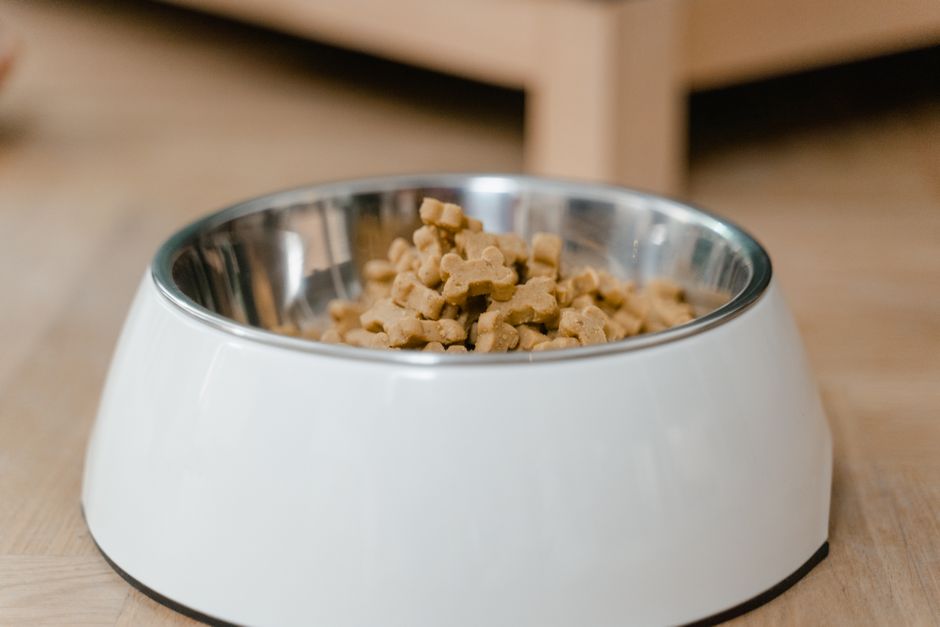
Signs Your Pet’s Food Isn’t Working for Them: What to Do
Photo by MART PRODUCTION on Pexels
The Problem: When Your Pet’s Food Stops Working
As a pet owner, you want to give your furry friend the best possible life. This includes providing a high-quality, nutritious diet. However, with so many pet food options on the market, it can be challenging to determine if your pet’s current food is still working for them.
Common Issues with Pet Food
Pets can develop issues with their food at any age, from puppies and kittens to adult dogs and cats. Problems can arise due to factors such as food sensitivities, allergies, or digestive issues. If left unchecked, these issues can lead to more severe health problems, such as skin allergies, ear infections, or even kidney disease.
Why It Matters: Your Pet’s Health Depends on It
Your pet’s health and well-being are at stake if their food isn’t agreeing with them. Ignoring the signs can lead to long-term health consequences, reduced quality of life, and increased veterinary bills.
The Consequences of Ignoring Pet Food Issues
Pet owners who fail to address their pet’s food issues may experience a range of problems, including:
- Increased vet visits and bills
- Reduced pet quality of life
- Potential health complications, like skin allergies or digestive issues
- Increased stress and anxiety for both the pet and owner
How To Recognize It: Signs Your Pet’s Food Isn’t Working
So, how do you know if your pet’s food is no longer working for them? Look out for these common signs:
Changes in Appetite
If your pet’s appetite decreases significantly, it may be a sign that their food is no longer agreeing with them.
Digestive Issues
Keep an eye out for digestive issues, such as diarrhea, vomiting, or constipation, as these can be a sign of a food sensitivity or allergy.
Skin Problems
Watch for skin issues like itchiness, redness, or lesions, which can be a sign of a food allergy or sensitivity.
Weight Changes
If your pet is losing weight or gaining weight rapidly, it may be a sign that their food is not providing them with the necessary nutrients.
Lethargy or Energy Levels
If your pet becomes lethargic or experiences a decrease in energy levels, it could be a sign that their food is not providing them with the necessary fuel.
Behavioral Changes
Keep an eye out for behavioral changes, such as panting, pacing, or restlessness, which can be a sign that your pet is uncomfortable or experiencing digestive issues.
What To Do: Taking Action for Your Pet’s Health
If you notice any of these signs, it’s essential to take action to determine the cause and find a solution.
Consult with Your Veterinarian
The first step is to consult with your veterinarian to rule out any underlying health issues that may be contributing to your pet’s problems.
Keep a Food Diary
Keep a record of your pet’s food intake, including the type of food, portion sizes, and any changes in their appetite or digestive health.
Experiment with New Foods
Work with your veterinarian to experiment with new foods or dietary changes to identify the cause of the issue.
Consider Hypoallergenic Food
If your pet is experiencing food sensitivities or allergies, consider switching to a hypoallergenic food that uses novel protein sources and easily digestible carbohydrates.
Treats and Supplements
Use treats and supplements as part of a balanced diet or as a reward for training to help manage your pet’s digestive health.
Products That Help: Supporting Your Pet’s Health
Here are some general categories of products that can help support your pet’s health:
- Hypoallergenic Food: Switch to a hypoallergenic food that uses novel protein sources and easily digestible carbohydrates to reduce the risk of food sensitivities and allergies.
- Veterinary Consultations: Regular consultations with your veterinarian can help identify potential health issues and provide personalized advice on how to address them.
- Digestive Health Treats: Use treats specifically formulated to support digestive health, such as probiotics or prebiotics, to help manage digestive issues.
FAQ
Can I try to diagnose my pet’s food issues on my own without consulting a veterinarian?
No, it’s essential to consult with a veterinarian to rule out any underlying health issues that may be contributing to your pet’s problems. They can help you identify the cause of the issue and provide personalized advice on how to address it.
What are some common ingredients that cause food sensitivities in pets?
Some common ingredients that can cause food sensitivities in pets include beef, dairy, soy, and wheat. Other ingredients, such as corn, rice, and potatoes, may also cause issues in some pets.
Can I use human-grade food for my pet?
No, it’s not recommended to feed your pet human-grade food. Pets have different nutritional needs than humans, and human food can be lacking in essential nutrients and may even contain toxic substances that can harm them.