7 Signs of Allergies in Cats and Dogs You Should Know
Photo by Drift Shutterbug on Pexels
The Impact of Pet Allergies on Your Furry Friends
Pet allergies are a growing concern for many pet owners. According to the Animal Humane Society, dogs and cats show allergy symptoms in a way similar to humans, but they experience them through their skin. [1] If left untreated, pet allergies can lead to a range of health issues, from skin infections to digestive problems. Ignoring these issues can affect your pet’s quality of life, causing them unnecessary discomfort and pain.
How To Recognize Pet Allergies in Cats and Dogs
Recognizing the signs of pet allergies is crucial in getting your pet the treatment they need. Here are seven common symptoms to look out for:
-
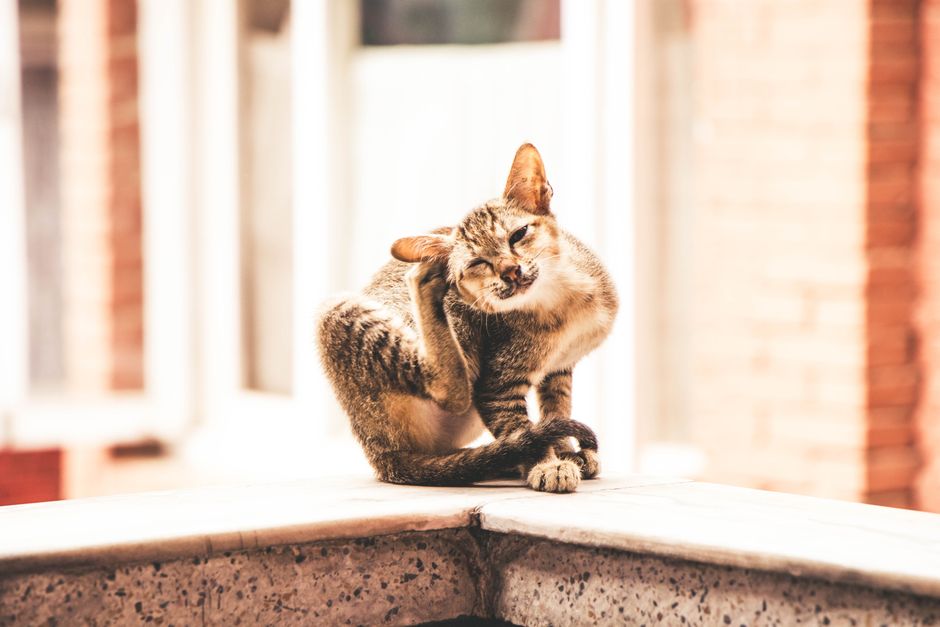
Skin Irritations: One of the most prevalent allergy problems in cats and dogs, skin irritations can manifest as redness, itching, and scratching. If you notice your pet excessively scratching or licking their skin, it could be a sign of an allergy.
-
Digestive Issues: Allergies can also affect your pet’s digestive system. If your dog or cat experiences frequent vomiting, diarrhea, or changes in appetite, it could be a sign of food allergies.
-
Ear Infections: Ear infections are a common symptom of allergies in cats and dogs. If your pet is constantly scratching or shaking their head, it could be a sign of an ear infection.
-
Watery Eyes: Watery eyes can be a sign of allergies in cats and dogs. If your pet is constantly tearing up or has red, inflamed eyes, it could be a sign of an allergy.
-
Congestion: Allergies can cause congestion in cats and dogs, making it difficult for them to breathe. If your pet is constantly coughing or wheezing, it could be a sign of an allergy.
-
Loss of Appetite: Allergies can cause a loss of appetite in cats and dogs. If your pet is showing little interest in food or is eating less than usual, it could be a sign of an allergy.
-
Excessive Shedding: Excessive shedding can be a sign of allergies in cats and dogs. If your pet is shedding excessively, it could be a sign of an allergy.
What To Do If You Suspect Your Pet Has an Allergy
If you suspect your pet has an allergy, there are several steps you can take to alleviate their symptoms. Consult with your veterinarian to determine the best course of treatment. Here are some general tips to follow:
- Identify and eliminate the allergen: If you know what is causing your pet’s allergy, try to eliminate it from their environment.
- Switch to a sensitive-digestion food: Sensitive-digestion foods are designed to be hypoallergenic, making them an excellent option for pets with food allergies.
- Use allergy medications: Your veterinarian may prescribe medication to help alleviate your pet’s symptoms.
- Keep your home clean: Regularly vacuum and dust your home to reduce the amount of allergens in the air.
Products That Help
Some products can help alleviate your pet’s allergy symptoms. Here are some options to consider:
- Sensitive-digestion food: Feeding your pet a sensitive-digestion food can help alleviate food allergies.
- Shampoos and conditioners: Using a shampoo and conditioner specifically designed for pets with allergies can help soothe their skin.
- Allergy medications: Over-the-counter medications can help alleviate your pet’s symptoms.
FAQ
Can pet allergies be cured?
While some pets may outgrow their allergies, others may require ongoing treatment to manage their symptoms.
How long does it take for symptoms to appear after exposure to an allergen?
Symptoms of allergies can appear anywhere from a few minutes to several hours after exposure to an allergen.
Can I prevent my pet from developing allergies?
While it is difficult to prevent allergies, maintaining a healthy lifestyle and keeping your home clean can reduce the risk of developing allergies.