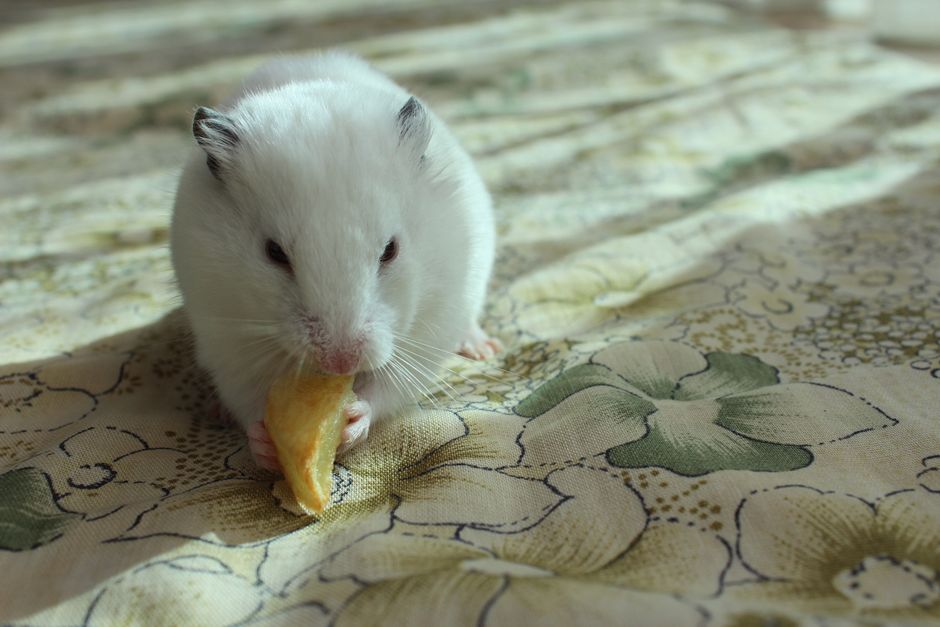
Can Hamsters Eat Cheese?
Photo by Dr. John Taskinsoy on Pexels
This content was created with AI assistance and is not a substitute for professional veterinary advice.
Yes, hamsters can eat cheese, but only in tiny amounts and only certain types. According to Hepper, reviewed by veterinarian Dr. Karyn Kanowski, “this yes comes with conditions” – cheese offers no real nutritional benefit and needs to stay a rare treat, not a diet staple.
Which Cheeses Are Actually Safe
Both Hepper and The Vet Desk (reviewed by Dr. Paola Cuevas, MVZ) agree that low-fat, low-salt options are the ones worth offering: cottage cheese, mild cheddar, and pasteurized goat cheese. The Vet Desk specifically calls out low-fat cottage cheese as the best option, especially for pregnant or nursing hamsters, and notes that aged cheeses like cheddar or Swiss tend to be lower in lactose than fresh, unaged varieties.
Which Cheeses To Avoid Entirely
This is the part worth taking seriously, since it isn’t just a portion issue. Both sources are explicit that blue cheese and other mold-cultured cheeses – Stilton, Roquefort, Brie, Camembert – should never be offered. Hepper describes Stilton and blue cheese as toxic to hamsters. The Vet Desk adds processed cheese spreads or slices with additives, high-sodium hard cheeses like asiago and parmesan, and cream cheese or whole-milk cheeses to the avoid list.
Cheese Safety At A Glance
| Category | Examples |
|---|---|
| Safe in small amounts | Cottage cheese, mild cheddar, pasteurized goat cheese |
| Avoid entirely | Blue cheese, Stilton, Roquefort, Brie, Camembert, cream cheese, processed slices, high-sodium hard cheeses |
How Much And How Often
The two vet-reviewed sources give slightly different specific amounts, worth knowing rather than blending into one number. Hepper’s guidance is “a tiny cube, no larger than 1 cm, once or twice a week,” with treats overall staying under 10% of the diet. The Vet Desk’s guidance is more conservative: “don’t give them cheese more than once a week, and limit it to just a tiny piece about the size of a pea.” Either amount is genuinely small for a reason – a hamster’s body is tiny, and what looks like a modest bite to a person is a meaningfully large portion for them.
Why Cheese Needs To Stay Limited
- Fat content. Both sources flag fat as the main long-term concern – regular cheese feeding is linked to obesity and increased diabetes risk in hamsters.
- Lactose sensitivity. The Vet Desk notes lactose intolerance in adult hamsters can cause diarrhea, bloating, and stomach discomfort – aged cheeses tend to be easier to tolerate since they’re lower in lactose than fresh cheese.
- Salt. Excess sodium is a real risk with harder, saltier cheeses specifically – The Vet Desk links it to blood pressure and kidney strain.
- Mold toxins. This is specific to mold-cultured cheeses like blue cheese and Brie – The Vet Desk notes mold toxins can cause serious digestive or neurological problems, which is a different and more urgent risk than the fat/lactose/salt concerns that apply to cheese generally.
A Practical Handling Tip Most Guides Skip
The Vet Desk flags something worth knowing: hamsters commonly stash food in their cheek pouches, and cheese left there can cause tooth decay if it isn’t found and removed. It’s also worth removing any uneaten cheese from the cage promptly, since it spoils and can grow bacteria or mold faster than a hamster’s usual dry food.
When To See A Vet
Watch for lethargy, noticeable weight gain, bloating, or diarrhea after cheese – these are the practical signs that portions have been too large or too frequent, and the amount should be reduced or stopped. If a hamster seems unwell after eating cheese, particularly any of the mold-cultured varieties that should have been avoided, a vet visit is the right next step rather than waiting to see if it resolves on its own.
Key Takeaways
- Cheese is safe for hamsters only in small amounts and only certain types – cottage cheese, mild cheddar, and pasteurized goat cheese are the safer picks.
- Blue cheese and other mold-cultured cheeses (Stilton, Brie, Camembert, Roquefort) should never be offered – this is a toxicity risk, not just a portion issue.
- Vet-reviewed guidance ranges from a pea-sized piece to a 1 cm cube, offered no more than once or twice a week.
- Fat, lactose, and salt are the main everyday concerns; mold toxins are a separate and more serious risk specific to certain cheese types.
FAQ
Is cottage cheese better for hamsters than regular cheddar?
It’s generally considered the safer default – cottage cheese is lower in fat and salt than most hard cheeses, and vet-reviewed sources specifically recommend it, including for pregnant or nursing hamsters. Mild, aged cheddar in a small amount is also considered acceptable, but cottage cheese is the more consistently recommended everyday option.
Can baby hamsters or very young hamsters eat cheese?
It’s safer to hold off on cheese, and new foods generally, until a hamster is fully weaned and established on its regular diet. A young hamster’s digestive system is more sensitive, and introducing rich or fatty treats too early raises the risk of digestive upset.
What should I do if my hamster grabs a piece of cheese it shouldn’t have, like blue cheese?
Contact an exotic or small-animal vet promptly rather than waiting to see what happens, since mold-cultured cheeses carry a toxicity risk beyond normal digestive upset. Note how much was eaten and when, since that information helps a vet assess the situation.