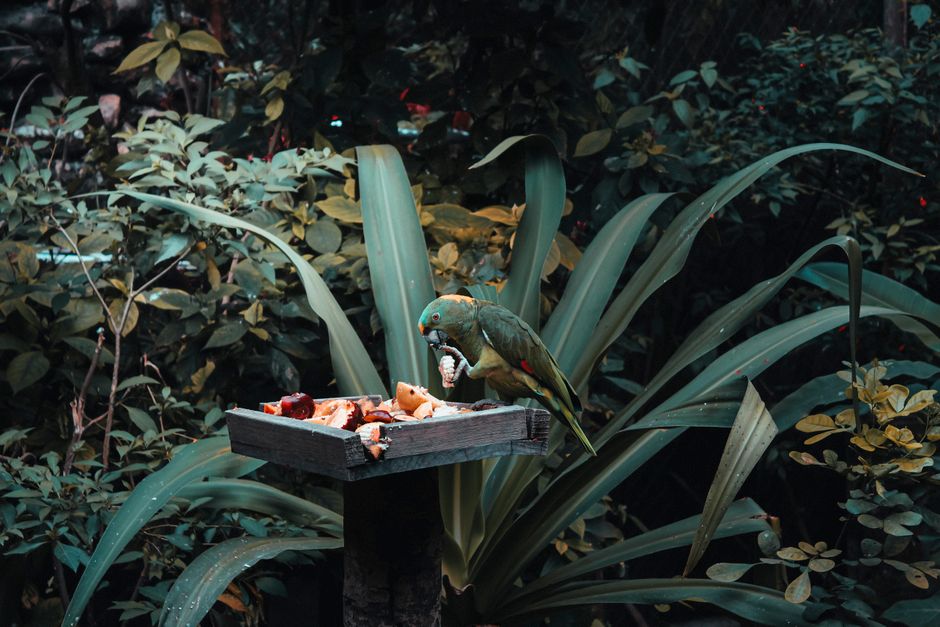
Can Parrots Eat Bananas?
Photo by Bryan Alejandro on Pexels
This content was created with AI assistance and is not a substitute for professional veterinary advice.
Yes – according to Hepper, reviewed by veterinarian Dr. Ashley Darby, BVSc, “bananas are completely non-toxic for parrots, including the stems and peels.” That said, portion size and ripeness both matter more than most owners assume.
What Bananas Actually Offer Nutritionally
Hepper credits bananas with real nutritional value for parrots: fiber that supports digestive health, potassium for nerve and muscle function, and a genuinely useful amount of vitamin B6 – notable because parrots can’t produce this vitamin themselves. Bananas also contain vitamin C, antioxidants, and phytonutrients. This isn’t just a tolerated treat; it offers real nutritional benefit in the right amount.
Why Fruit Still Needs To Stay A Small Part Of The Diet
The Vet Desk, reviewed by Dr. Luqman Javed, DVM, is specific that fruit overall should make up only around 5% of a parrot’s total nutritional intake. Bananas fit within that small fruit allowance rather than being a food a parrot should eat freely – the benefits above don’t change the fact that a parrot’s diet needs to be built primarily around a balanced base, with fruit as a minor addition.
Why Ripeness Actually Matters
This is a detail worth knowing that goes beyond a general “feed in moderation” warning. Hepper is specific: “green bananas are perfectly safe to feed your parrot and are a much more advisable choice than overly ripe bananas. As bananas ripen, the sugar content goes up dramatically.” A banana that looks like a healthier, more natural choice because it’s fully ripe is actually the higher-sugar option – less ripe fruit is the better everyday pick.
What About The Peel?
The two vet-reviewed sources differ slightly here, worth knowing rather than blending into one answer. Hepper’s guidance leans toward avoiding peel unless it’s organic, or peeling the banana before offering it. The Vet Desk takes a softer stance – peels are technically safe but “perhaps not a great option,” and even organic peels should be washed first since they may carry “pesticides, sprays, and other unseen substances.” The practical takeaway either way: peeling the banana, or thoroughly washing an organic peel before offering any, is the more cautious approach.
Dried Bananas: A Clear No
Both sources agree firmly on this one. Hepper states dried bananas are “extremely high in sugar content and should be avoided when possible.” The Vet Desk is even more direct: parrots shouldn’t eat food with added sugars, so unless you dehydrate banana chips yourself with no added sugar, commercial banana chips should be off-limits entirely.
Banana Feeding At A Glance
| Factor | Better Choice | Avoid |
|---|---|---|
| Ripeness | Green or barely ripe | Fully ripe, overly sweet |
| Peel | Peeled, or organic and thoroughly washed | Non-organic, unwashed peel |
| Form | Fresh, mashed or chunked | Dried banana, banana chips |
| Portion in diet | Small part of the ~5% fruit allowance | A daily staple food |
How To Prepare Banana For A Parrot
- Choose green or barely ripe over fully ripe bananas to keep sugar content lower.
- Peel it, or wash an organic peel thoroughly before offering any peel at all.
- Offer in a form your parrot can manage – mashed, chunked, or in small pieces; larger parrots often prefer pieces they can hold in a foot while eating.
- Skip dried banana or banana chips entirely unless you’ve made them yourself with no added sugar.
Key Takeaways
- Bananas are genuinely non-toxic for parrots and offer real nutritional value, including vitamin B6, which parrots can’t produce on their own.
- Fruit overall should stay to roughly 5% of a parrot’s total diet – bananas are a small addition, not a staple.
- Greener, less-ripe bananas are the better choice, since sugar content rises significantly as a banana ripens.
- Dried banana or banana chips should be avoided – both vet-reviewed sources agree on this, citing concentrated sugar and added-sugar risk.
FAQ
Is banana peel definitely safe for my parrot, or should I always remove it?
Vet-reviewed sources are slightly split – one leans toward peeling unless the banana is organic, while another says peel is technically safe but not ideal, and needs thorough washing even when organic. The safer default is peeling the banana or washing an organic peel carefully before offering any, rather than assuming any peel is automatically fine.
Can baby or young parrots eat banana?
It’s best to introduce any new food, including banana, gradually and in a very small amount once a young parrot is established on its regular diet, watching for any digestive upset. Checking with an avian vet about your specific bird’s age and species is the safer approach before adding fruit to a young parrot’s diet.
Why does a riper, sweeter banana seem more appealing to my parrot if it’s actually the less healthy choice?
Parrots, like many animals, are naturally drawn to higher-sugar foods, which is exactly why ripeness needs to be a deliberate choice on the owner’s part rather than following the bird’s preference. Offering greener bananas more often, and treating a fully ripe banana as an occasional exception, keeps sugar intake more consistent with what’s actually healthy.