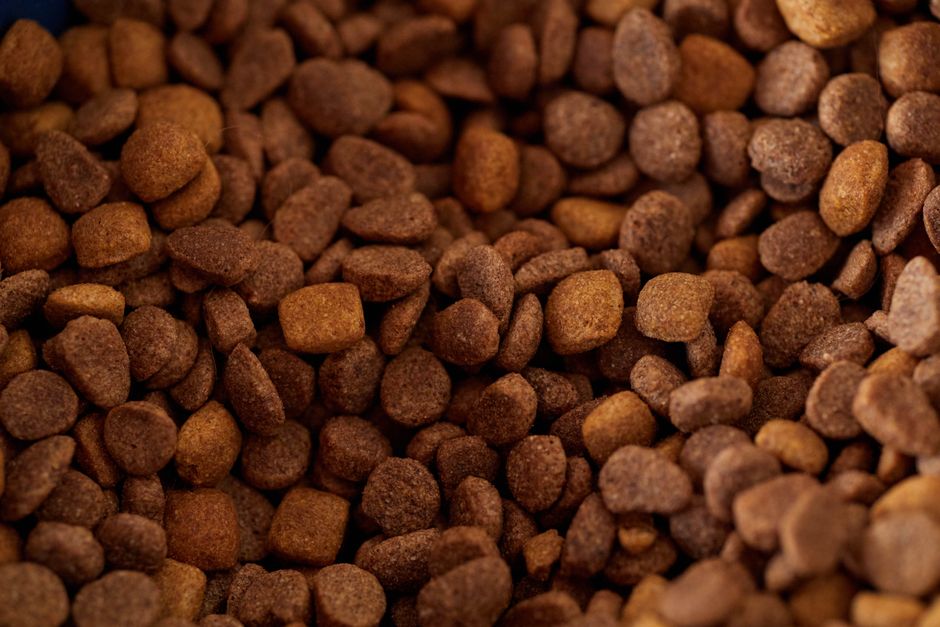
Choosing the Right Diet for Your Pet: Dry, Wet, or Mixed
Photo by Rafael Rodrigues on Pexels
This content was created with AI assistance and is not a substitute for professional veterinary advice.
If your pet is experiencing digestive issues or has a sensitive stomach, switching to a mixed diet may be beneficial.
The Problem – Navigating the Different Types of Diets
As a pet owner, choosing the right diet for your furry friend can be a daunting task. With so many options available, it’s easy to get confused. Some pets thrive on a dry food diet, while others require wet food or a mixed feeding approach. Each type of diet has its own set of benefits and drawbacks, making it essential to understand the different options to make an informed decision.
Why It Matters – The Stakes for Your Pet’s Health
The type of diet you choose for your pet can have a significant impact on their overall health. A balanced diet is crucial for maintaining a healthy weight, preventing chronic diseases, and promoting a strong immune system. A poor diet can lead to a range of health issues, including obesity, diabetes, and even certain types of cancer. By choosing the right diet for your pet, you can help prevent these health problems and ensure your furry friend lives a long, happy, and healthy life.
How To Recognize the Signs
The signs of a diet that isn’t suitable for your pet can vary depending on the type of diet they’re on. Here are some common signs to look out for:
| Sign | Mild | Serious |
|---|---|---|
| Appetite | Slightly reduced | Refuses food entirely |
| Coat condition | Dull and lifeless | Ratty and unkempt |
| Energy levels | Low | Lethargic |
If you notice any of these signs, it’s essential to consult with your veterinarian to rule out any underlying health issues.
What To Do – Taking Action
If you’re unsure about the type of diet that’s best for your pet, here are some steps you can take:
- Consult with your veterinarian: Your veterinarian can help you determine the best diet for your pet based on their age, health, and lifestyle.
- Keep a food diary: Tracking your pet’s food intake and bowel movements can help you identify any digestive issues.
- Experiment with different diets: If you’re unsure about the type of diet that’s best for your pet, try switching to a different type of food or a mixed feeding approach.
When To See A Vet Immediately – Red-Flag Signs
If you notice any of the following signs, it’s essential to seek veterinary attention immediately:
- Your pet has vomited blood or has bloody diarrhea
- Your pet is showing signs of severe digestive upset, such as diarrhea or abdominal pain
- Your pet is refusing to eat or drink water
- Your pet is lethargic or shows signs of depression
Products That Help – Finding the Right Food
When it comes to choosing a diet for your pet, there are many different options available. Here are some general categories of products that can help:
- Dry food: A convenient and cost-effective option that can be left out for your pet to graze on throughout the day.
- Wet food: A more palatable option that can help with digestive issues and provide essential moisture.
- Mixed feeding: A combination of both dry and wet food that can provide a balanced diet and cater to different tastes and preferences.
Key Takeaways
- Choose a diet that meets your pet’s nutritional needs and lifestyle requirements.
- Consult with your veterinarian to determine the best diet for your pet.
- Keep a food diary to track your pet’s food intake and bowel movements.
- Experiment with different diets to find what works best for your pet.
FAQ
Can I mix different types of food to create a hybrid diet for my pet?
Yes, many pet owners successfully mix different types of food to create a hybrid diet that suits their pet’s needs. However, it’s essential to consult with your veterinarian to ensure the diet is balanced and meets your pet’s nutritional requirements.
How often should I switch my pet’s diet?
It’s generally recommended to stick to one diet for your pet, as frequent changes can lead to digestive upset and other health issues. However, if you need to switch diets, do so gradually over a period of 7-10 days to minimize the risk of digestive upset.
Can I feed my pet homemade food instead of commercial pet food?
While some pet owners successfully feed their pets homemade food, it’s essential to consult with your veterinarian to ensure the diet meets your pet’s nutritional requirements and is balanced. Homemade diets can be time-consuming and may not provide a complete and balanced diet for your pet.