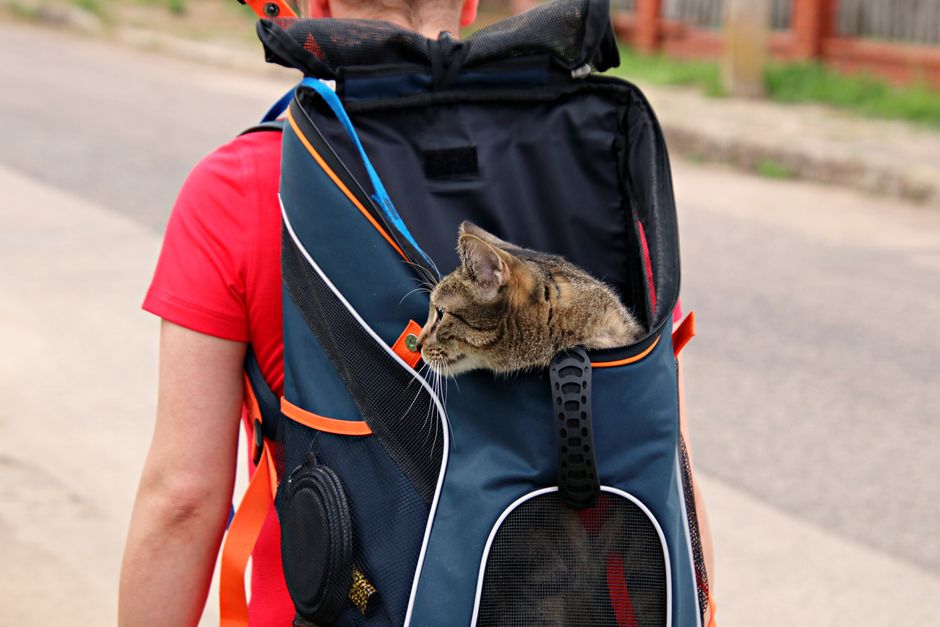
How to Get Your Pet Comfortable With a Carrier
Photo by Marek Kupiec on Pexels
This content was created with AI assistance and is not a substitute for professional veterinary advice.
Get Your Pet Comfortable with a Carrier in as Little as 2 Weeks
Pet owners often face the struggle of getting their pets comfortable with carriers. The sight of a carrier can be daunting for pets, and the lack of understanding of the purpose can cause anxiety. A carrier is essential for pet travel, and with the right approach, your furry friend can learn to love it.
The Problem: Why Pets Struggle with Carriers
Most pets, especially dogs and cats, have a natural instinct to hide or flee from new or unfamiliar objects, including carriers. This fear can stem from various reasons such as a past traumatic experience, anxiety, or lack of socialization. When a pet sees or smells a carrier, it can trigger this fear response, leading to extreme anxiety or even aggression.
Why It Matters: The Stakes for Your Pet’s Health and Safety
Ignoring your pet’s anxiety towards carriers can lead to severe consequences, including:
- Stress and anxiety: Prolonged exposure to stress and anxiety can weaken your pet’s immune system, making them more susceptible to illness.
- Escape or run-away attempts: If your pet becomes too anxious to enter a carrier, it may attempt to escape, which can lead to accidents, injuries, or even being lost.
- Inadequate ventilation or comfort: If a pet is too stressed to stay inside a carrier, they may attempt to escape or create a mess, compromising ventilation and comfort.
How To Recognize It: Signs of Stress and Anxiety
Here are some common signs to look out for:
| Sign | Mild | Serious |
|---|---|---|
| Appetite | Slightly reduced | Refuses food entirely |
| Body Language | Tense posture, avoidance, or hiding | Aggression, extreme restlessness or pacing |
| Vocalization | Whining, whimpering, or meowing | Loud, persistent, or aggressive vocalization |
| Escalation | Increased escape or run-away attempts | Attempting to bite or scratch when approached or touched |
What To Do: Introducing Your Pet to the Carrier
Here are some tips to help your pet become comfortable with a carrier:
- Exposure and socialization: Gradually introduce your pet to the carrier, making it a source of positive reinforcement, treats, and rewards. Encourage them to explore the carrier while it’s on the floor or a low table.
- Positive associations: Associate the carrier with positive experiences, such as treat-filled toys, favorite blankets, or familiar scents.
- Traveling short distances: Start with short car rides or trips around the house to make travel a comfortable and enjoyable experience.
- Make it a comfortable space: Place the carrier in a quiet area, ensure proper ventilation, and provide a comfortable bed or towel for your pet to snuggle into.
When To See A Vet Immediately: Emergency Signs
If you notice any of the following signs, seek veterinary attention immediately:
- Severe vomiting or diarrhea: Diarrhea or vomiting can quickly lead to dehydration, which can be life-threatening.
- Extreme lethargy: If your pet becomes lethargic, stops eating, or appears unresponsive, it’s essential to seek veterinary attention immediately.
- Difficulty breathing: Panting or rapid breathing can be a sign of respiratory distress, which requires prompt veterinary care.
Products That Help: Our Favourite Soft Bags for Pet Travel
Introduction
Our favourite soft bags for pet travel are designed for comfort and safety, providing an enjoyable experience for both you and your pet during trips.
FAQ
How long does it take to get my pet comfortable with a carrier?
With patience and consistency, your pet can learn to love their carrier in as little as 2 weeks.
What if my pet is extremely anxious or aggressive towards carriers?
Consult with a veterinarian or animal behaviourist for personalized guidance and support.
Can I use a carrier as a training tool for housebreaking my pet?
Yes, a carrier can be an excellent tool for housebreaking, teaching your pet to hold their bladder and bowels until it’s time to exit the carrier.