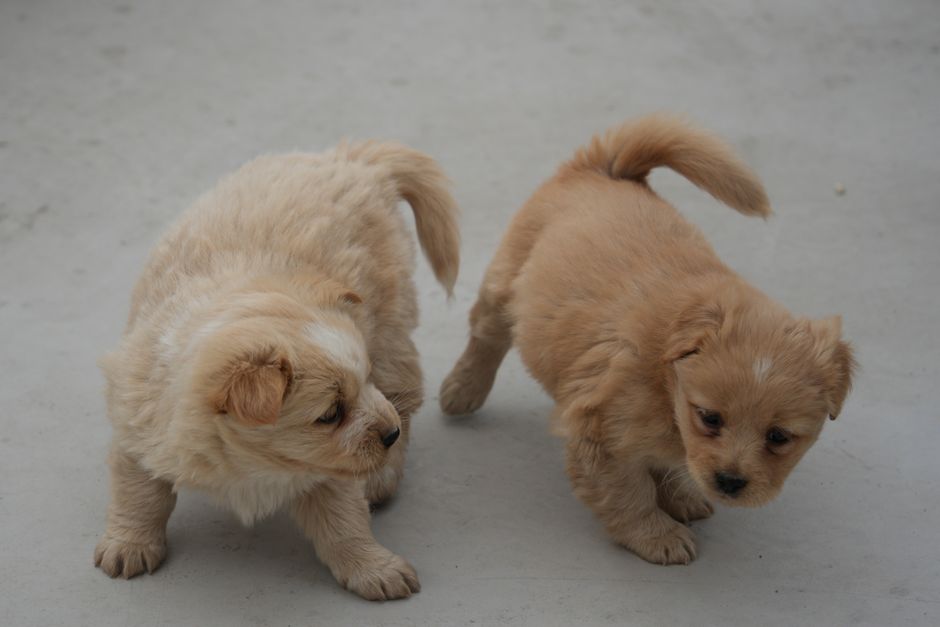
What You Need for Your Puppy’s First Walk
Photo by 分 参 on Pexels
This content was created with AI assistance and is not a substitute for professional veterinary advice.
If your puppy has a history of seizures or is prone to overheating, consult your veterinarian before taking them on their first walk.
The Problem
Your puppy’s first walk can be a daunting task for both you and your furry friend. Without proper preparation, it can quickly become overwhelming for your pup, leading to a range of issues from minor setbacks to life-threatening problems.
Why It Matters
Your puppy’s first walk is a critical moment in their socialization process, which can have a lasting impact on their emotional and behavioral development. A positive, fun first walk can set the tone for a lifelong relationship between you and your pup, instilling confidence, comfort, and trust. Conversely, a negative experience can lead to anxiety, fear, and even aggression. The stakes are high, and it’s essential to get it right.
How To Recognize It
It’s vital to recognize the warning signs that your puppy is experiencing distress during their first walk. These can range from mild to severe and include:
| Sign | Mild | Serious |
|——|——|———|
| Appetite | Slightly reduced | Refuses food entirely |
| Lethargy | Dull appearance and lack of energy | Collapse or unresponsiveness |
| Panting | Rapid breathing | Excessive, prolonged panting |
| Temperature | Mildly increased body temperature | High body temperature (e.g., above 104°F) |
| Behavior | Mild withdrawal or hesitation | Avoidance or aggression |
What To Do
To ensure a safe and enjoyable first walk, consider the following essential items:
- ID tags or a microchip: Make sure your puppy is properly identified, and consider a temporary identification tag or a microchip for their collar.
- Leash and harness: Invest in a puppy-sized leash and a comfortable, adjustable harness.
- Collar and name tag: Use a sturdy collar with a name tag that provides an easy, quick way to identify your puppy.
- ID cards: Bring along identification cards with your contact information in case you get separated from your puppy.
- Medications and first aid kit: Pack a small first aid kit and have any prescribed medications for your puppy easily accessible.
- Poop bags: Bring a sufficient supply of poop bags to clean up after your puppy.
- Treats and toys: Bring a few treats and toys to reward good behavior and keep your puppy engaged during the walk.
When To See A Vet Immediately
In some situations, it’s essential to seek immediate veterinary attention. These red flags include:
- Seizures or convulsions
- High body temperature (above 104°F)
- Severe panting or difficulty breathing
- Collapse or unresponsiveness
- Refusal to eat or drink
- Blood or discharge from the mouth or nose
Products That Help
The following products can be helpful during your puppy’s first walk:
- Pet groomers or clippers for regular nail trimming and grooming
- Poop bags to clean up after your puppy
- Puppy-safe toys and treats to reward good behavior
- ID tags or microchips for proper identification
- A portable first aid kit with essential supplies
- Puppy-sized leashes and harnesses
Key Takeaways
- Prepare essential items for your puppy’s first walk, including an ID tag or microchip, leash, and first aid kit.
- Recognize early warning signs of distress, such as reduced appetite, lethargy, or excessive panting.
- Bring a sufficient supply of poop bags to clean up after your puppy.
- Consider consulting a veterinarian for advice before taking your puppy on their first walk.
FAQ
What is the ideal time for my puppy’s first walk?
There is no specific time frame for a puppy’s first walk, but it’s generally recommended to wait until your puppy is old enough to receive their first round of vaccinations, usually around 12 weeks of age.
Can I walk my puppy immediately after meals?
It’s not recommended to walk your puppy immediately after meals, as they may be prone to vomiting or experiencing stomach upset. Consider waiting for at least an hour after meals before walking your puppy.
How often should I take my puppy on their first walk?
The frequency of walks during the first few weeks will depend on your puppy’s age, breed, and individual needs. Consider consulting with your veterinarian for personalized advice on establishing a walking routine for your puppy.