Cat-Proofing Your Home: 10 Risks Owners Often Miss
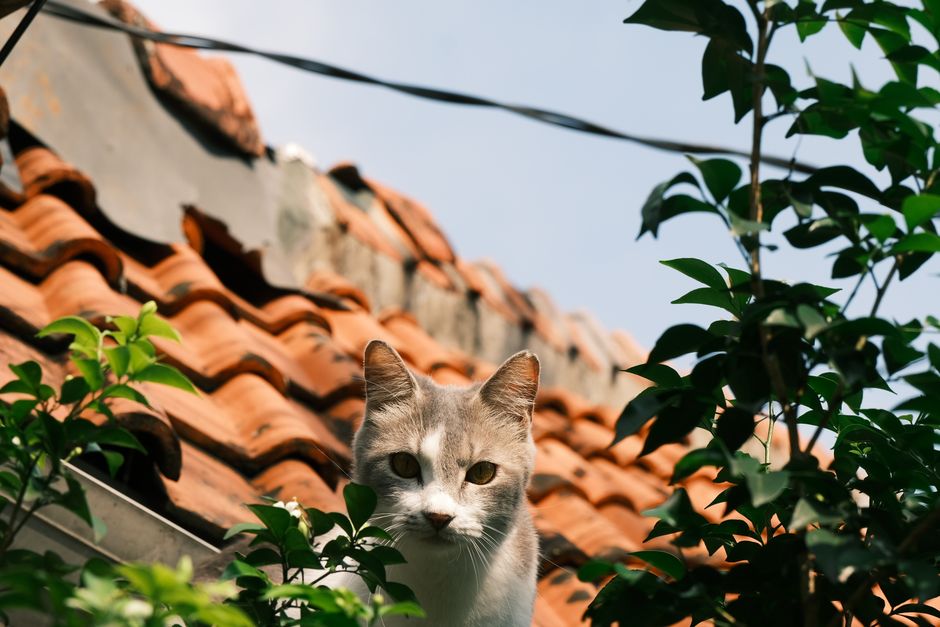
Photo by Ari Setiawan on Pexels
This content was created with AI assistance and is not a substitute for professional veterinary advice.
If your cat hasn’t had water in over 24 hours, contact your veterinarian immediately.
The Hidden Dangers of Cat-Proofing
As a responsible pet owner, you want to provide a safe and comfortable environment for your cat. However, many owners overlook the dangers that lurk in every room, putting their beloved pets at risk of accidents and injuries. From toxic plants to unsecured windows, the risks are numerous. By understanding the hidden dangers, you can take proactive steps to cat-proof your home and ensure your cat’s well-being.
Why Cat-Proofing Matters
Ignoring the risks posed by cat-proofing can have severe consequences for your pet’s health and safety. For example:
- Toxic plants: Consuming even small amounts of toxic plants can be fatal to cats. According to the ASPCA, some plants can cause vomiting, diarrhea, and lethargy, while others can lead to more severe symptoms.
- Unsecured windows: Falling from a height can be fatal to cats. A study by the Humane Society found that window falls are a leading cause of injury and death in cats.
Recognizing the Risks
Knowing the signs of cat-proofing risks is essential to taking action. Here are some observable signs to look out for:
| Sign | Mild | Serious |
|---|---|---|
| Appetite | Slightly reduced | Refuses food entirely |
| Energy level | Playfulness decreased | Lethargy, hiding |
| Behavior | Increased hiding or seeking attention | Vocalization, pacing |
| Grooming | Poor coat condition | Excessive grooming or licking |
What To Do
To cat-proof your home, follow these steps:
- Conduct a thorough room-by-room inspection to identify potential hazards.
- Remove or secure toxic plants, unsecured windows, and other dangers.
- Install safety gates or nets to prevent climbing and falling.
- Store medications, cleaners, and chemicals out of reach.
- Secure cords, wires, and small objects that can be swallowed.
- Create a safe zone for your cat to relax and play.
When To See A Vet Immediately
Some signs indicate an immediate veterinary visit is necessary:
- Vomiting or diarrhea
- Lethargy or loss of appetite
- Increased heart rate or breathing rate
- Pale gums or blue-tinged skin
- Inability to move or walk
Products That Help
To make cat-proofing easier, consider the following safety products:
- Safety gates
- Nets for securing windows and balconies
- Cord protectors
- Cabinet locks
- Pet safety kits
- Window guards
Key Takeaways
- Always conduct a thorough room-by-room inspection to identify potential hazards.
- Secure toxic plants, unsecured windows, and other dangers to prevent accidents.
- Keep medications, cleaners, and chemicals out of reach.
- Install safety gates or nets to prevent climbing and falling.
- Create a safe zone for your cat to relax and play.
FAQ
What are the most common household hazards that threaten my cat?
Common household hazards include toxic plants, unsecured windows and screens, dangling cords, and accessible chemicals.
Can I prevent my cat from getting heat stroke in the summer?
Yes, make sure to provide plenty of fresh water, keep the home cool, and provide shade for your cat. Also, limit outdoor time during the hottest part of the day.
What should I do if I suspect my cat has ingested something toxic?
Contact your veterinarian or a pet poison hotline immediately. Provide as much information as possible about the substance, including the amount ingested and the time frame. Follow any advice provided by the veterinarian or hotline.