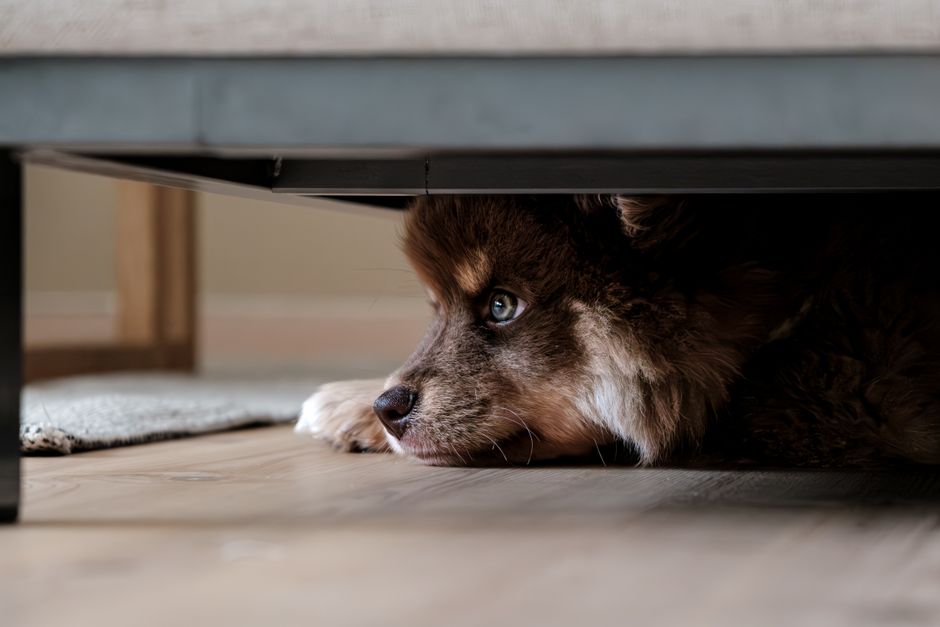
Why Your Pet Is Scared of the Vacuum
Photo by Sidde on Pexels
This content was created with AI assistance and is not a substitute for professional veterinary advice.
If your pet shows severe anxiety or aggression around the vacuum, it’s best to remove the source of the fear and use calming products to help them relax.
The Problem
Many pet owners have witnessed their pets becoming nervous or scared when they hear the sound of the vacuum cleaner. This fear can manifest in various ways, including hiding, trembling, or even attempting to escape. For some pets, the fear of the vacuum can be so intense that it disrupts their daily routine and prevents them from performing normal activities.
Why It Matters
Ignoring your pet’s fear of the vacuum can have serious consequences, such as:
- Increased stress levels
- Decreased appetite
- Anxiety or aggression towards family members or other pets
- Difficulty sleeping or engaging in normal activities
- Potential digestive issues or other health problems
In extreme cases, if left unaddressed, vacuum anxiety can lead to more severe behavioral problems, such as destructive behaviors, house soiling, or even self-mutilation.
How To Recognize It
Recognizing the signs of vacuum anxiety in your pet is crucial to addressing the issue early on. Here are some observable signs to look out for:
| Sign | Mild | Serious |
|---|---|---|
| Appetite | Slightly reduced | Refuses food entirely |
| Vocalization | Whining or meowing | Barking or growling |
| Body Language | Raising fur or tail | Hiding or fleeing |
| Behavior | Avoiding the room | Attempting to hide under furniture |
As you observe your pet’s behavior, it’s essential to consider the severity of their reactions. If their behavior falls under the serious category, act quickly to address the issue.
What To Do
Helping your pet overcome vacuum anxiety requires patience, consistency, and a well-planned approach. Here are some practical steps to consider:
- Gradual exposure: Gradually introduce the vacuum cleaner into your pet’s environment, allowing them to become familiar with the sound and sight.
- Calming products: Use calming products, such as pheromone diffusers, calming treats, or calming music, to help your pet relax during vacuuming sessions.
- Desensitize the noise: Start by placing the vacuum cleaner in another room, slowly increasing the distance over time. Reward your pet with treats and praise for remaining calm.
- Positive reinforcement: Reward your pet with treats and praise when they exhibit calm behavior during vacuuming sessions.
Key Takeaways
• Vacuum anxiety can be addressed through gradual exposure, calming products, and positive reinforcement.
• Ignoring your pet’s fear of the vacuum can lead to increased stress levels, decreased appetite, and more severe behavioral problems.
• Recognizing the signs of vacuum anxiety and acting quickly is crucial to preventing potential health complications.
Key Takeaways (Continued)
• Desensitize your pet to the noise by placing the vacuum cleaner in another room and gradually increasing the distance.
• Use calming products to help your pet relax during vacuuming sessions.
• Reward your pet with treats and praise for remaining calm during vacuuming sessions.
When To See A Vet Immediately
If you observe any of the following red flags, stop reading and contact your veterinarian immediately:
- Severe anxiety or aggression towards the vacuum cleaner
- Refusal to eat or interact with family members or other pets
- Hiding, escaping, or attempting to hide under furniture
- Vomiting, diarrhea, or other digestive issues
- Signs of severe stress or anxiety, such as rapid breathing, panting, or yawning
Your veterinarian may recommend calming products or provide additional advice on addressing vacuum anxiety in your pet.
FAQ
What’s the difference between a pheromone diffuser and a regular diffuser?
Pheromone diffusers mimic the natural scent that mother animals produce to calm their young, whereas regular diffusers may contain artificial fragrances or odors.
How long will it take for my pet to overcome vacuum anxiety?
The time it takes to overcome vacuum anxiety varies depending on the severity of the issue and the effectiveness of the approach used. It may take several weeks or even months for your pet to become comfortable with the vacuum cleaner.
Can I use calming products that are designed for humans on my pet?
No, calming products designed for humans are often too strong for pets and can cause adverse side effects. It’s essential to consult with your veterinarian before using any calming products on your pet.