Common Mistakes New Puppy Owners Make: How to Avoid Them and Provide a Happy Start
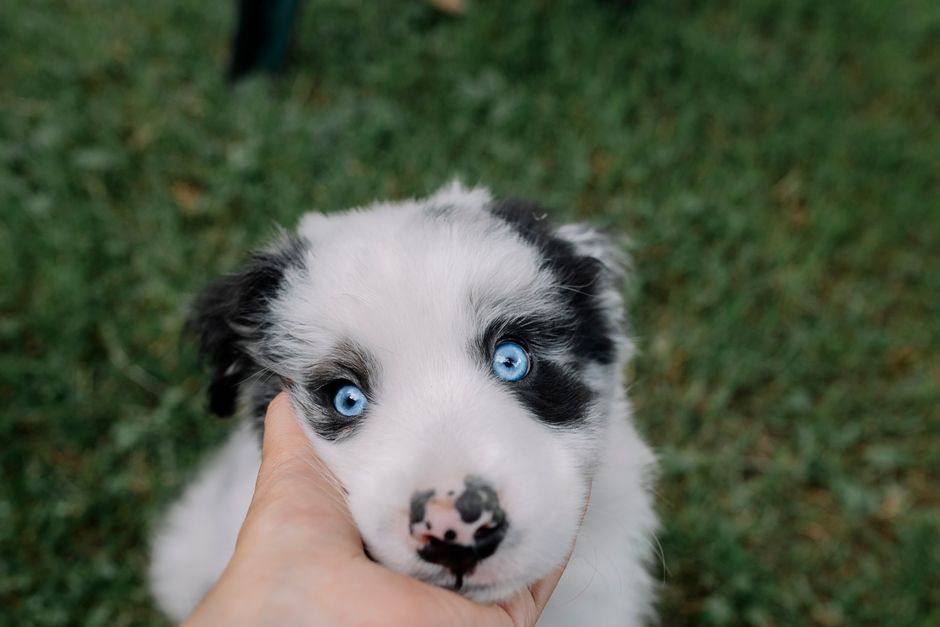
Photo by Elina Volkova on Pexels
This content was created with AI assistance and is not a substitute for professional veterinary advice.
Bring home a new puppy and avoid making costly mistakes by setting clear rules and providing positive reinforcement from the start.
The Problem – Housebreaking, Socialization, and Behavioral Issues
Bringing home a new puppy is an exciting experience, but it can also be overwhelming, especially for first-time owners. As puppies grow and develop, they require attention, care, and training to become well-adjusted and well-behaved adult dogs. However, many new puppy owners make common mistakes that can create behavioral issues, damage your home, and even lead to health problems.
Why It Matters – The Stakes for Your Puppy’s Health, Safety, and Well-being
The consequences of these mistakes can be severe. For example, if you neglect housebreaking, your puppy may develop urinary incontinence or bladder stones. Similarly, if you don’t socialize your puppy properly, they may become fearful or aggressive around strangers or other dogs. In extreme cases, these issues can lead to destructive behavior, anxiety, or even the development of chronic health problems.
Table: Signs of Behavioral Issues to Watch Out For
| Sign | Mild | Serious |
|---|---|---|
| Housebreaking | Accidents in the house, occasional soiling | Frequent accidents, persistent soiling, or deliberate defecation outside the litter box |
| Socialization | Shyness or hesitation around new people or dogs | Aggression, fear, or avoidance of new people or dogs |
How To Recognize It – Common Signs to Watch Out For
New puppy owners often overlook signs of behavioral issues or housebreaking problems until they become severe. Some common signs to watch out for include:
- Accidents in the house (urine or feces)
- Persistent barking or whining
- Shyness or hesitation around new people or dogs
- Destructive behavior (chewing, digging, etc.)
What To Do – Practical, Actionable Steps for a Happy, Well-behaved Puppy
To avoid these common mistakes, follow these practical steps:
- Establish a consistent routine for feeding, exercise, and play
- Set clear rules and boundaries for behavior (e.g., no jumping up, no chewing furniture)
- Provide positive reinforcement for good behavior (e.g., treats, praise, affection)
- Socialize your puppy properly from an early age (e.g., introduce them to new people, dogs, and environments)
- Supervise and monitor your puppy at all times to prevent accidents and behavioral issues
- Provide plenty of exercise and mental stimulation to prevent boredom and destructive behavior
When to See a Vet Immediately – Red-Flag Signs and Durations to Watch Out For
If you notice any of the following red-flag signs or durations, seek veterinary attention immediately:
- Your puppy has had an accident and refuses to go outside or in the litter box
- Your puppy shows signs of illness (e.g., vomiting, diarrhea, lethargy) or injury (e.g., limping, whining)
- Your puppy’s behavior changes suddenly or drastically (e.g., becomes aggressive, fearful, or withdrawn)
Products That Help – Starter Kits and Gear for New Puppy Owners
As a new puppy owner, investing in the right starter kits and gear can make a big difference. Some essential products include:
- Puppy-proofing materials (e.g., baby gates, pet-safe cleaning products)
- Starter kits for housebreaking (e.g., puppy pads, housebreaking sprays)
- Socialization tools (e.g., puppy-safe toys, calming aids)
- Training equipment (e.g., puppy leashes, clickers)
- Health supplies (e.g., puppy-safe food and water bowls, first-aid kits)
FAQ
What is the most common mistake new puppy owners make when introducing their puppy to new people?
The most common mistake new puppy owners make is not introducing their puppy to new people gradually and in a controlled environment.
How long should I wait before housebreaking my puppy?
The ideal time for housebreaking is within the first few weeks of bringing your puppy home, when they are most receptive to learning.
What is the best way to socialize my puppy?
The best way to socialize your puppy is to expose them to new people, dogs, and environments in a positive and gradual manner, starting from an early age.