Common Mistakes New Kitten Owners Make: Don’t Ruin the Bonding Process
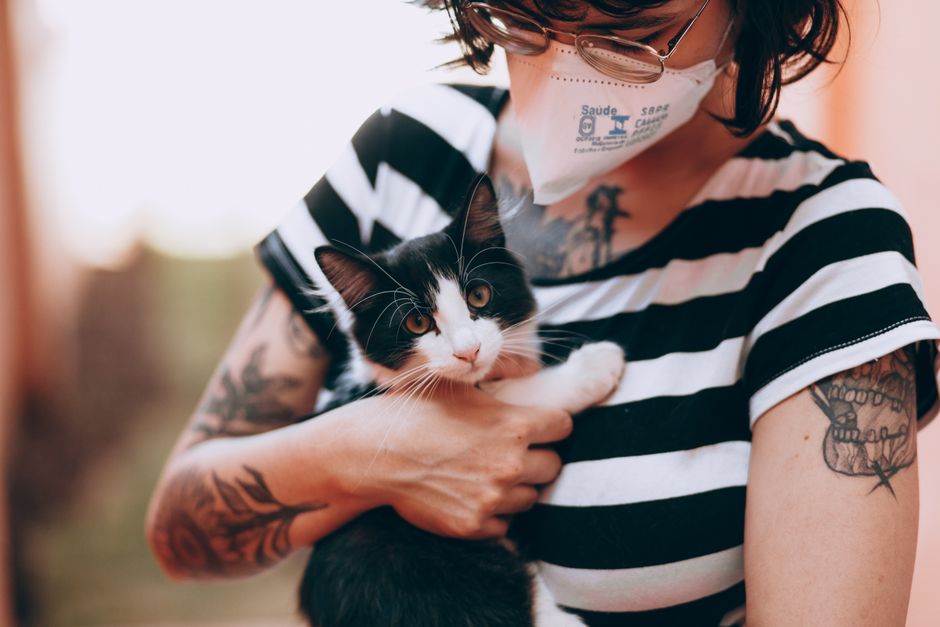
Photo by Helena Lopes on Pexels
This content was created with AI assistance and is not a substitute for professional veterinary advice.
Quick Answer
Monitor your kitten’s hydration levels, and ensure they have clean, fresh water at all times.
The Problem
The excitement of bringing home a new kitten can sometimes blind you to the subtle challenges that come with caring for a young creature. New kitten owners often unintentionally create tension at home due to the well-meaning but misguided decisions they make. These errors can have a lasting impact on the kitten’s health, happiness, and overall well-being.
Why It Matters
The stakes for a kitten’s health and happiness are high when it comes to common mistakes made by new owners. Ignoring these errors can lead to health problems, behavioral issues, and even permanent damage to the kitten’s emotional and psychological development. Understanding the potential risks and learning to recognize the signs of trouble early on is crucial to avoiding these devastating consequences.
How To Recognize It
New kitten owners may not always be aware of the signs that indicate something is amiss. It’s essential to be vigilant and monitor your kitten’s behavior, appearance, and overall health. Here are some common signs that may indicate a mistake has been made:
| Sign | Mild | Serious |
|---|---|---|
| Appetite | Slightly reduced | Refuses food entirely |
| Litter Box | Avoids litter box or shows signs of discomfort | Has accidents outside the litter box |
| Socialization | Shows aggression or fear around people or other animals | Becomes extremely withdrawn or fearful of human interaction |
| Health | Exhibits general lethargy or signs of illness | Shows extreme vomiting, diarrhea, or difficulty breathing |
What To Do
Preventing mistakes requires a combination of knowledge, patience, and attention to detail. Here are some actionable steps to help you avoid common errors:
- Research and understand your kitten’s specific needs, including nutrition, socialization, and litter box habits.
- Provide a safe and comfortable environment, including a clean living space, scratching posts, and litter boxes.
- Establish a routine and stick to it, ensuring your kitten receives regular feeding times, playtime, and sleep.
- Monitor your kitten’s behavior and health closely, seeking veterinary care if you notice any signs of distress or illness.
- Consider enrolling in kitten training classes or seeking guidance from a professional cat behaviorist to help with socialization and behavioral issues.
When To See A Vet Immediately
If you notice any of the following signs, seek veterinary care immediately:
- Vomiting blood or showing extreme lethargy
- Difficulty breathing or rapid heartbeat
- Refusal to eat or drink water
- Severe diarrhea or persistent vomiting
- Visible signs of injury or trauma
Products That Help
Some essential products can help you create a safe and comfortable environment for your kitten. Consider investing in:
- A high-quality, nutrient-rich kitten food that meets your kitten’s specific nutritional needs.
- A sturdy scratching post to help maintain your kitten’s nail health and provide exercise.
- A reliable litter box system, including multiple boxes and easy cleaning access.
- Interactive toys and scratching pads to encourage playtime and stimulation.
- A cozy, cat-proofed sleeping area to ensure your kitten gets adequate rest.
Key Takeaways
- Monitor your kitten’s hydration levels closely.
- Establish a regular routine to ensure your kitten’s physical and emotional needs are met.
- Provide a safe and comfortable environment, including scratching posts and litter boxes.
- Seek veterinary care immediately if you notice any signs of illness or distress.
- Consider enrolling in kitten training classes or seeking guidance from a professional cat behaviorist.
FAQ
How often should I bathe my new kitten?
It’s best to bathe your new kitten sparingly, as over-bathing can strip their coat of its natural oils. A general rule of thumb is to bathe your kitten every 2-3 months, or as needed.
Can I use my adult cat’s litter box for my new kitten?
It’s generally best to provide a separate litter box for your new kitten to prevent territorial issues and reduce the risk of disease transmission. A dedicated litter box will also make it easier to monitor your kitten’s litter box habits.
How can I socialize my kitten if I live in a small apartment?
Socialization is still essential, even in a small space. Try setting up playdates with other cats, taking your kitten to kitten socialization classes, or simply spending more time interacting with your kitten each day to encourage socialization and confidence.