Can Rabbits Eat Grapes?
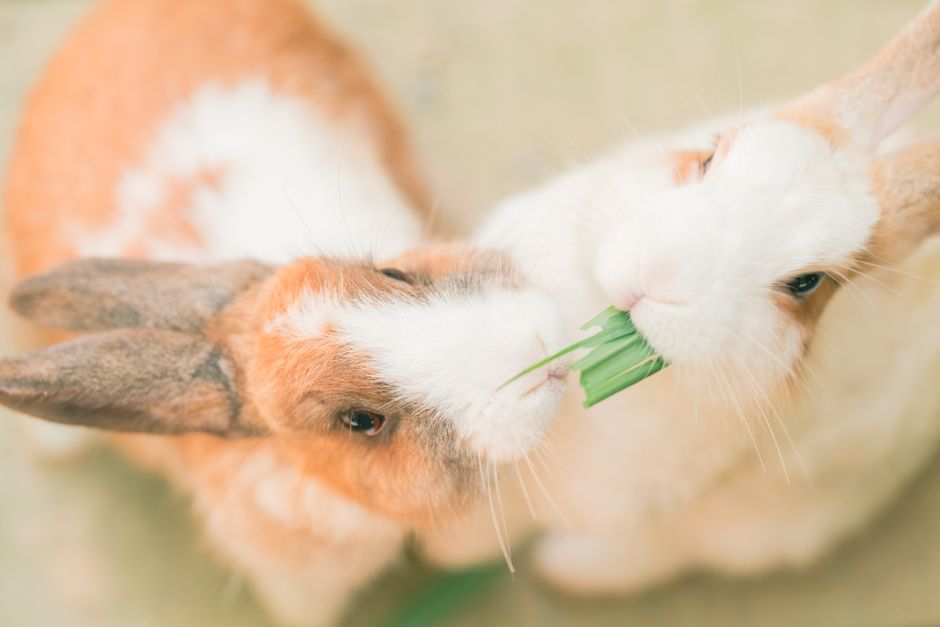
Photo by IAN on Pexels
This content was created with AI assistance and is not a substitute for professional veterinary advice.
A rabbit can eat a grape or two as an occasional treat – grapes aren’t toxic to rabbits the way they are to dogs, but their sugar content and a rabbit’s sensitive digestive system make portion size and frequency the things that actually matter.
Are Grapes Actually Safe For Rabbits?
Unlike dogs, where grapes are a well-known toxin, there’s no evidence of grape toxicity in rabbits, according to Chewy. The real issue with grapes isn’t poisoning, it’s sugar. Grapes are high in natural sugar relative to what a rabbit’s diet is built for, and that’s what actually causes problems when owners overdo it.
Why A Rabbit’s Digestion Makes This Different From Other Pets
Rabbits are hindgut fermenters, meaning their digestion depends on a delicate balance of gut bacteria to keep things moving. Both Chewy and TheVetDesk point to the same risk: introducing something sugary too quickly can disrupt that bacterial balance, leading to diarrhea or bloating that, left unaddressed, can progress to GI stasis – a slowing or stopping of digestion that both sources describe as potentially life-threatening. This is the real reason grapes need caution with rabbits, even though the fruit itself isn’t toxic.
Normal Reaction vs Warning Signs After Grapes
| Sign | Normal | Worth Watching |
|---|---|---|
| Stool | Normal, firm droppings | Soft stool or diarrhea |
| Appetite | Eating normally | Noticeably reduced |
| Energy | Normal activity | Lethargy |
| Droppings | Consistent output | Decreased poop production |
| Behavior | Relaxed | Signs of abdominal discomfort |
According to Chewy, these signs are worth watching for in the 24 hours after a rabbit eats grapes, and are worth a same-day vet call if they persist beyond about 12 hours or get worse rather than better.
How To Feed Grapes Safely (If At All)
- Keep it small and infrequent. Sources don’t fully agree on exact frequency – some suggest a couple of small grapes once or twice a week, others recommend saving it for once a month – but the pattern across all of them is the same: this is an occasional treat, not a regular addition to meals.
- Choose seedless grapes and cut them into smaller pieces to reduce choking risk.
- Wash grapes thoroughly to remove pesticide residue before offering them.
- Introduce slowly, especially the first time. Offer a small piece and watch your rabbit’s behavior and droppings over the next day before offering more.
- Keep treats, including fruit, to a small share of the overall diet – hay should still make up the bulk of what a rabbit eats day to day.
When To See A Vet Immediately
- Soft stool, reduced appetite, or lethargy that lasts beyond about 12 hours after eating grapes, or that gets worse instead of better.
- A noticeable drop in droppings, or none at all. In rabbits specifically, this is one of the clearest early signs of GI stasis, and it can progress quickly.
- Signs of abdominal discomfort – hunching, teeth grinding, or reluctance to move – paired with reduced eating or pooping.
Better Everyday Treats And Diet Staples
- Unlimited fresh timothy or grass hay should be the actual foundation of a rabbit’s diet, not fruit.
- Fresh leafy greens in small daily amounts make a more appropriate everyday treat than sugary fruit.
- A constant supply of fresh water supports the digestion that fruit treats can otherwise stress.
- Rabbit-safe chew toys help with dental health, which ties into overall digestive health in rabbits.
Key Takeaways
- Grapes aren’t toxic to rabbits the way they are to dogs – the real concern is sugar and a rabbit’s sensitive digestion, not poisoning.
- Sources differ on exact safe frequency, but the consistent pattern is: small amount, rarely, not a regular treat.
- A drop in droppings or appetite after a new food is a bigger warning sign in rabbits than in many other pets, because GI stasis can escalate quickly.
- Hay, not fruit, should remain the actual foundation of a rabbit’s daily diet.
FAQ
Are grapes toxic to rabbits the way they are to dogs?
No – there’s no evidence of grape toxicity in rabbits, unlike dogs, where grapes are a well-documented toxin. The caution around grapes for rabbits is about sugar and digestive sensitivity, not poisoning.
Can rabbits eat grape leaves or vines?
Some sources note that grape leaves are considered safe and even fiber-rich for rabbits, but they should still be introduced cautiously and in small amounts, the same way any new food should be, rather than assumed safe in large quantities.
What if my rabbit doesn’t poop for a day after trying a new food?
In rabbits specifically, even a day of noticeably reduced or absent droppings is worth taking seriously, not waiting out. It’s one of the earliest signs of GI stasis, which can progress quickly, so it’s better to check in with a vet than assume it will resolve on its own.