Can Dogs Eat Avocado? What’s Actually Risky (and What Isn’t)
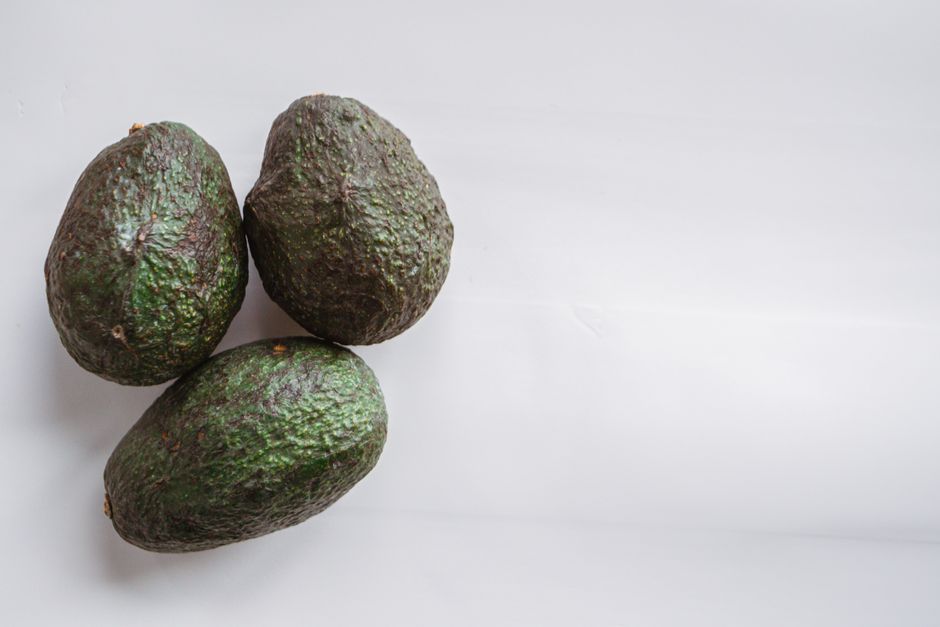
Photo by Jessica Lewis 🦋 thepaintedsquare on Pexels
This content was created with AI assistance and is not a substitute for professional veterinary advice.
A small amount of plain avocado flesh – no more than about 1 teaspoon per 10 pounds of body weight – is generally fine for most dogs, but the pit, skin, and leaves are a real physical hazard, and even the flesh’s fat content can trigger problems in some dogs.
Is Avocado Actually Toxic to Dogs?
Avocado contains a compound called persin, which gets most of the blame for the “avocado is toxic” warning owners hear. Persin is genuinely dangerous to some animals – birds and horses in particular – but according to both the AKC and PetMD, dogs are considerably more tolerant of it. A dog would need to eat a large quantity of persin-heavy parts (leaves, bark, or peel, where it’s most concentrated) to actually get sick from persin specifically. That doesn’t mean avocado is risk-free for dogs – it means the real risks are somewhere else.
The Pit Is the Real Danger
The avocado pit isn’t a persin problem, it’s a physical one. Both sources agree it doesn’t break down in a dog’s digestive tract, and if swallowed – whole or in a large piece – it can lodge in the stomach or intestine and cause a blockage. PetMD is direct about this: surgery is typically the only way to remove it. This is the single biggest reason to keep avocado away from dogs that tend to swallow food without chewing, regardless of how tolerant they are to persin.
Why Even the Flesh Can Cause Problems
Avocado flesh is high in fat, and that’s a separate issue from persin or the pit entirely. PetMD notes that some dogs can develop pancreatitis – a painful, potentially serious inflammation of the pancreas – even from a relatively small amount of avocado pulp. The AKC specifically recommends dogs with a history of pancreatitis, or dogs that are overweight, skip avocado entirely rather than trying to find a “safe” portion.
Signs to Watch For
After a dog eats avocado – flesh, pit, or otherwise – watch for:
- Vomiting or diarrhea
- Lethargy or noticeably low energy
- Straining to defecate
- A swollen or painful-feeling belly
- Refusing food
When To See A Vet Immediately
If your dog swallowed the pit, skin, or leaves, or if you’re not sure how much they ate, call your vet right away rather than waiting to see if symptoms show up. Choking, or any sign your dog is struggling to breathe after eating avocado, is an emergency – get to a vet immediately, not a wait-and-see situation. Vomiting, diarrhea, or abdominal discomfort that shows up in the 24-48 hours after eating a larger amount is also worth a same-day call, especially in a dog with any history of pancreatitis.
If You Do Give Your Dog Avocado
- Stick to plain flesh only – no pit, skin, salt, or seasoning of any kind.
- Keep it to roughly 1 teaspoon per 10 pounds of body weight, occasionally, not as a regular addition to meals.
- Skip it entirely if your dog is overweight or has had pancreatitis before.
- Cut it small enough that swallowing a chunk whole isn’t realistic, especially for dogs that gulp their food.
Key Takeaways
- Persin isn’t the main danger for dogs the way it is for birds or horses – dogs tolerate it fairly well.
- The pit is the real hazard: it can cause a blockage that needs surgery.
- Fat content can trigger pancreatitis even from a small amount of flesh in some dogs.
- If given at all, keep it to about 1 teaspoon of plain flesh per 10 pounds of body weight.
FAQ
Is guacamole safe for dogs?
No – guacamole typically contains onion and garlic, which are genuinely toxic to dogs (they damage red blood cells and can cause anemia), separate from anything to do with the avocado itself. Symptoms can take 2-5 days to show up, so a dog that seems fine right after eating guacamole isn’t necessarily in the clear.
My dog just licked a little avocado off my plate – should I panic?
A quick lick of plain avocado flesh generally isn’t cause for panic. Keep an eye out for vomiting, diarrhea, or unusual lethargy over the next day or two, and call your vet if any of those show up or if you’re unsure whether the plate had guacamole, seasoning, or other ingredients on it.