Why Is My Parrot Screaming?
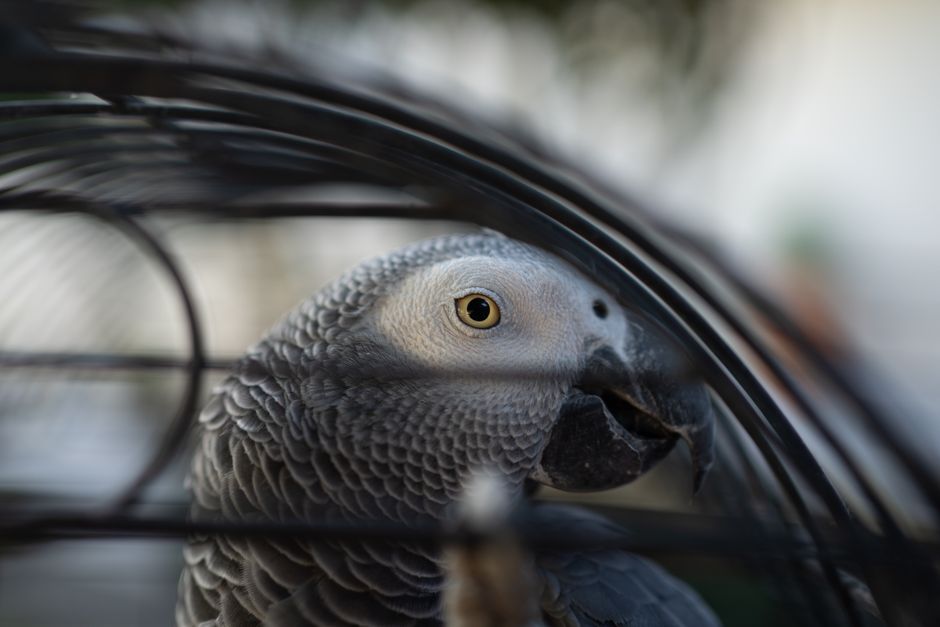
Photo by Diogo Miranda on Pexels
This content was created with AI assistance and is not a substitute for professional veterinary advice.
Some screaming is completely normal parrot behavior – especially brief calls at dawn and dusk – but screaming that’s frequent, prolonged, or new is almost always either learned attention-seeking behavior or a sign something’s missing, or wrong, that’s worth addressing.
The Real Reasons Parrots Scream
Screaming almost always traces back to one of these:
- Natural contact calling. According to VCA Animal Hospitals, loud vocalization is how wild parrots communicate with their flock, and pet birds typically carry this over as brief calling bouts around dawn and dusk – this is normal, not a problem to fix.
- Attention-seeking, learned behavior. Both VCA and Avian Enrichment point to the same mechanism: once a bird learns that screaming reliably gets a reaction, even a negative one, it repeats what works.
- Boredom and poor self-entertainment. Avian Enrichment notes that birds without enough mental stimulation or the ability to occupy themselves are prone to screaming out of frustration or restlessness.
- Loneliness. Parrots form strong bonds with their people, and extended time alone can trigger screaming rooted in that separation, according to VCA.
- Fear or environmental stress. Loud household noises, unfamiliar people or pets, or a change in surroundings can all trigger screaming as a stress response.
- Unmet needs. An empty food bowl, a dirty cage, or general discomfort can all show up as screaming before an owner notices the actual cause.
Why Screaming Shouldn’t Just Be “Managed Away”
How you respond matters as much as why it’s happening. VCA specifically warns against two common instincts: yelling back, and covering the cage or turning off the lights to quiet a bird down. Both approaches feel like they should work, but they actually reward the screaming with attention, reinforcing the exact behavior you’re trying to stop. On top of that, because birds are good at masking illness, screaming can sometimes be the most obvious outward sign that something is medically wrong – so treating every instance as purely behavioral risks missing a real problem.
Normal Vocalizing vs Problem Screaming
| Sign | Normal | Worth Addressing |
|---|---|---|
| Timing | Brief bursts around dawn and dusk | Frequent, prolonged, or happening at random times |
| Trigger | Contact calling, reacting to household sounds | Specifically escalates to get you to come over |
| Pattern | Consistent, long-standing habit | Sudden onset or noticeably more intense |
| Sound | Familiar to you | An unfamiliar vocalization you’ve never heard before |
How To Reduce Problem Screaming
- Don’t react to the screaming itself – no yelling back, no rushing to the cage the moment it starts.
- Never cover the cage or cut the lights to quiet a bird down. VCA is specific about this: it feels like a fix, but it still rewards screaming with attention.
- Reward quiet time deliberately with praise, a treat, or a toy, so your bird has a clear reason to stay calm rather than escalate.
- Add foraging and destructible toys to give a bored bird something to work on instead of screaming for stimulation.
- Build in consistent social time and out-of-cage time so loneliness isn’t the thing driving the behavior.
- Rule out the basics first – food, water, and cage cleanliness – before assuming it’s purely behavioral.
When To See A Vet Immediately
- An unusual vocalization you’ve never heard your bird make before. VCA notes that most birds vocalize during seizures, so a genuinely new or strange sound is worth immediate attention, not a wait-and-see approach.
- Screaming that’s sudden or persistent and paired with lethargy, feather plucking, or reduced appetite – these point toward a medical cause rather than a behavior one.
- Any vocalization that happens alongside signs of a physical episode, like trembling, falling, or disorientation.
Enrichment That Actually Reduces Boredom Screaming
- Foraging toys turn eating into a task, tapping into a parrot’s natural instinct to work for food instead of having it handed over.
- Destructible, chewable toys give birds an outlet for natural chewing behavior that doesn’t involve screaming for attention.
- Rotating toy variety keeps enrichment from going stale, since birds can lose interest in the same toys over time.
- A predictable daily routine of social interaction addresses loneliness directly, rather than leaving a bird to signal for company through screaming.
Key Takeaways
- Some screaming, especially brief calls at dawn and dusk, is completely normal parrot communication, not a problem to fix.
- Reacting to screaming, even negatively, can reinforce it – ignoring it while rewarding quiet time works better.
- Never cover the cage or cut the lights to stop screaming – vets specifically warn this rewards the behavior with attention.
- An unfamiliar sound, or screaming paired with other symptoms, can be medical, even a sign of a seizure, and is worth a vet visit rather than just a training fix.
FAQ
Is it normal for my parrot to scream at dawn and dusk?
Yes – this mirrors how wild parrots communicate with their flock at those times of day, and brief calling bouts around sunrise and sunset are considered normal rather than a behavior problem.
Why does my parrot scream more when I leave the room?
This usually points to a mix of loneliness and learned attention-seeking – if screaming has previously brought you back into the room, your bird has learned it works, and being left alone adds the separation trigger on top of that.
Can screaming really be a sign of a seizure?
Yes – according to VCA Animal Hospitals, most birds vocalize during a seizure, so the key tell isn’t screaming in general but an unfamiliar sound you’ve genuinely never heard your bird make before. That specific situation warrants immediate veterinary attention.