Why Does My Cat Meow at Night?
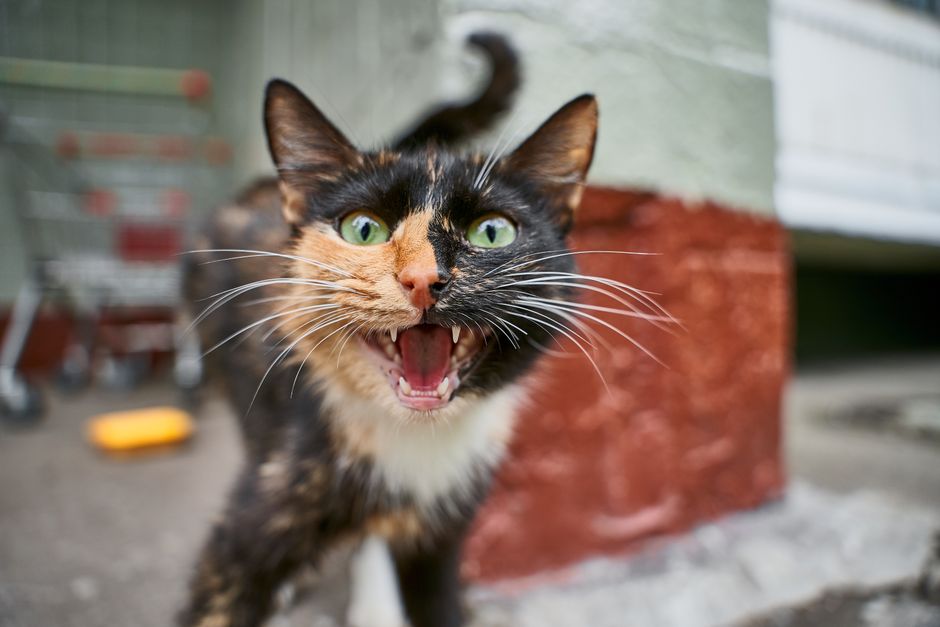
Photo by Aleksandr Nadyojin on Pexels
This content was created with AI assistance and is not a substitute for professional veterinary advice.
Nighttime meowing often traces back to a cat’s natural activity rhythm – PetMD notes cats are most active around dawn and dusk – but especially in senior cats, persistent night vocalizing is also a hallmark sign worth checking with a vet, since it’s strongly associated with cognitive dysfunction and several other medical causes.
Why Nighttime Specifically? The Crepuscular Factor
Cats aren’t nocturnal so much as crepuscular – naturally more active around dawn and dusk than in the middle of the day or the dead of night, which is part of why meowing can spike at hours that disrupt your sleep even when nothing is wrong. PetMD also notes some cats are simply more vocal by nature – Siamese and Bengal cats, for example, are known for being especially talkative breeds, independent of any behavioral or medical cause.
Everyday, Non-Medical Reasons
PetMD is direct that meowing is often just effective communication a cat has learned works: “they quickly learn that meowing is a great way to get us focused on them.” Common everyday triggers include wanting attention, hunger (especially if feeding times are inconsistent), boredom, and loneliness – all things a cat can end up expressing more at night simply because that’s when the house is quiet and a person is finally still enough to notice.
When It’s Cognitive Dysfunction (Especially In Senior Cats)
This is the pattern worth taking seriously in older cats. Catster cites feline cognitive dysfunction as affecting roughly a third of cats by age 11, rising to about half of cats over 15 – and “excessive crying (particularly at night)” is a recognized symptom, tied to confusion and memory loss that can make a cat forget familiar surroundings or lose recognition of its own owner. PetMD confirms the same pattern, describing cognitive dysfunction as comparable to Alzheimer’s in humans and a real driver of “excessive, persistent meowing.” Night in particular tends to be worse, since disrupted sleep-wake cycles are part of the condition itself – a confused, awake cat at 3am, vocalizing because it doesn’t understand why everyone else is asleep, is a recognizable pattern rather than random noise.
Normal Nighttime Vocalizing vs Worth Investigating
| Sign | Normal | Worth Investigating |
|---|---|---|
| Age | Any age, consistent habit | New in a senior cat |
| Trigger | Hunger, attention, activity rhythm | No clear trigger, seems confused |
| Other behavior | Otherwise normal | Disorientation, staring at walls, appetite/weight changes |
| Pattern | Long-standing | Sudden change or worsening |
Other Medical Causes Worth Ruling Out
Beyond cognitive dysfunction, both sources point to a consistent list:
- Hyperthyroidism – PetMD describes affected cats as being on “high drive” and unusually vocal; Catster notes this condition affects over 10% of cats older than 10.
- Hypertension (high blood pressure) – PetMD notes cats with hypertension “may meow more, and more incessantly, than healthy cats.”
- Kidney disease – can make cats “more restless and vocal,” per PetMD.
- Arthritis and pain – Catster cites this as affecting more than 80% of cats over 10, and pain (including dental disease preventing normal eating) is a recognized driver of increased vocalization.
- Sensory decline – vision or hearing loss can leave a cat disoriented and more vocal, especially in the dark.
When To See A Vet Immediately
PetMD flags one combination as urgent regardless of age: a male cat straining to urinate alongside vocalizing can signal a urinary blockage, a genuine emergency. More broadly, contact a vet if excessive meowing comes with signs of distress or pain, or additional symptoms like weight loss or appetite changes – and PetMD’s general rule is a good one to default to: “if you can’t determine a possible cause for the excessive meowing or change in meow, call your vet.”
How To Help At Night
Catster’s practical suggestions, particularly useful for senior cats:
- Low background sound, like a radio tuned to talk radio overnight, can reassure a confused or anxious older cat that it isn’t alone.
- Keep routines predictable – consistent feeding times and a stable environment reduce a common source of nighttime restlessness.
- Pheromone diffusers can help with anxiety-related vocalizing.
- Nightlights help cats with vision decline navigate more confidently in the dark.
- Warm, soft sleeping areas and safe hiding spaces reduce stress, especially for a cat dealing with arthritis or general insecurity.
Key Takeaways
- Cats are naturally more active around dawn and dusk, which explains a lot of ordinary nighttime vocalizing on its own.
- In senior cats, persistent night meowing is a hallmark sign of cognitive dysfunction, which becomes increasingly common with age.
- Hyperthyroidism, hypertension, kidney disease, arthritis, and sensory decline are the other medical causes worth ruling out.
- A male cat straining to urinate while vocalizing is an emergency – and any excessive meowing with no clear cause is worth a vet call rather than continued guessing.
FAQ
Are certain cat breeds just naturally more vocal at night?
Yes – Siamese and Bengal cats in particular are known for being especially talkative breeds generally, which can show up as more nighttime vocalizing too, independent of any medical or behavioral issue. That said, a sudden change from a cat’s own normal baseline still matters more than breed reputation alone.
Can adjusting feeding times reduce nighttime meowing?
Often yes, if hunger or an inconsistent schedule is contributing – shifting a portion of the daily food to a later feeding, or using a timed feeder for an early-morning meal, can reduce meowing tied to hunger specifically. It won’t help if the cause is medical or cognitive, which is why ruling those out matters if a feeding change alone doesn’t resolve it.
Is it ever okay to just ignore nighttime meowing?
For a young, healthy cat with a known attention-seeking pattern and no other symptoms, not responding can help reduce a learned, reinforced habit over time. For a senior cat, or any cat with a sudden change in vocalizing, ignoring it isn’t the right first move – ruling out a medical cause comes first, since dismissing it as “just attention-seeking” risks missing something like cognitive dysfunction or pain.