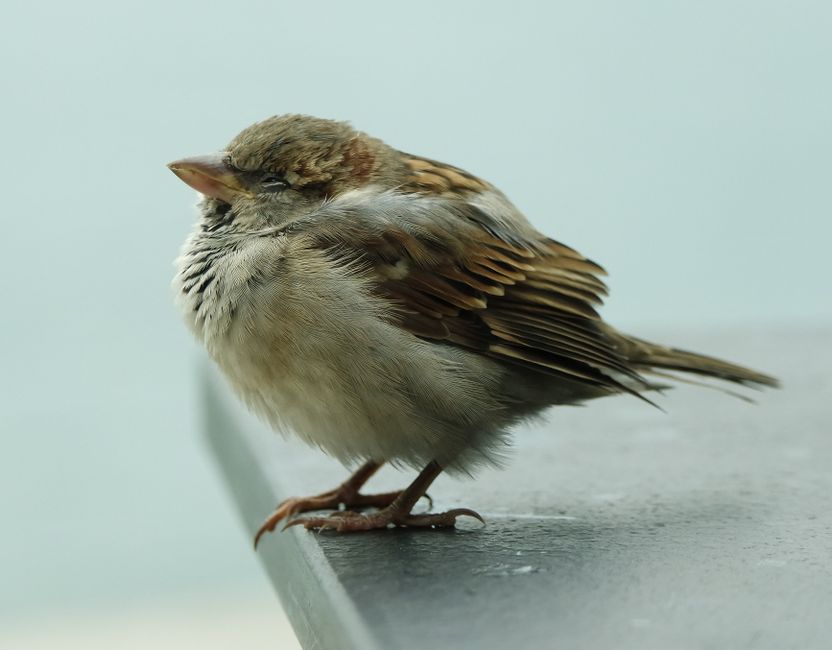
Why Is My Bird Puffed Up?
Photo by Burak The Weekender on Pexels
This content was created with AI assistance and is not a substitute for professional veterinary advice.
Puffing has real, harmless explanations – staying warm, resting, preening – but it’s also one of the earliest signs of illness in birds, according to Gaia Vets. Birds are instinctively built to hide sickness rather than show it, which is exactly why this particular sign deserves more attention than it might seem to warrant at first.
The Harmless, Everyday Reasons Birds Puff Up
Cold is the most common explanation – when feathers puff out, air gets trapped between them, and the bird’s own body heat warms that trapped air into effective insulation. Gaia Vets also lists resting or sleeping, adjusting to normal temperature shifts between day and night, and general environmental comfort as ordinary, non-medical reasons. The Vet Desk adds that birds also puff up simply to make preening easier on themselves – it’s part of routine grooming, not a red flag on its own.
It Can Also Be A Social Signal
Puffing isn’t always about temperature or comfort. The Vet Desk notes birds puff their feathers to look larger and more threatening when defending territory or warding off a perceived predator or rival – a defensive display, not distress. On the friendlier end, birds also puff up as a form of social display toward other birds, described as a way of showing affection and reinforcing a bond within their group.
Why This Is One Sign You Shouldn’t Brush Off
Here’s the important context: Gaia Vets is direct that “birds tend to hide signs of weakness, it is in their nature” – an instinctive survival strategy from being a prey species in the wild, where showing vulnerability can attract predators. That instinct doesn’t switch off in a pet bird. It’s exactly why persistent, daytime puffing is worth paying attention to rather than dismissing – by the time a bird’s discomfort becomes obviously visible, the underlying issue may already be more advanced than it would be in a pet that shows illness more openly.
Normal Puffing vs Concerning Puffing
| Sign | Normal | Concerning |
|---|---|---|
| Timing | Brief, during rest or cold | Persistent, especially during the day |
| Alertness | Alert, responsive | Lethargic, reduced movement |
| Appetite | Normal | Decreased |
| Behavior | Active, normal preening | Sitting at the bottom of the cage, reduced preening |
Specific Warning Signs To Watch For
Gaia Vets lists the combination of signs that shifts puffing from likely-normal to actually-concerning:
- Lethargy or noticeably reduced movement
- Sitting at the bottom of the cage rather than on a perch
- Decreased appetite
- Changes in droppings
- Labored or open-mouth breathing
- Reduced preening
A bird that’s puffed up but still alert, active, eating normally, and behaving as usual is very likely just resting or regulating temperature – occasional fluffing on its own, without these other signs, isn’t typically a cause for concern.
When To See A Vet
Persistent puffing paired with any of the warning signs above warrants a vet visit, not a wait-and-see approach. Gaia Vets is specific about the urgency here: “birds can deteriorate quickly when unwell,” and “early evaluation often leads to better outcomes.” Given how effectively birds mask illness, treating persistent daytime puffing as a real signal – rather than assuming it’s nothing until something more obvious shows up – genuinely matters.
Key Takeaways
- Puffing is often completely normal – cold, resting, preening, and social displays are all harmless, everyday explanations.
- Birds instinctively hide illness as a survival strategy, which is exactly why persistent daytime puffing is considered one of the earliest visible signs something may be wrong.
- The real distinguishing factor is context: brief puffing in an otherwise alert, active, normally-eating bird is low concern; persistent puffing paired with lethargy, appetite loss, or breathing changes is not.
- Birds can decline quickly once genuinely unwell, so early veterinary evaluation is worth prioritizing rather than waiting for more obvious symptoms to appear.
FAQ
Can I reliably tell cold-related puffing from illness-related puffing myself?
Not with full confidence from puffing alone – the visual difference isn’t always obvious, which is why context (how long it lasts, time of day, and whether other symptoms are present) matters more than the puffing itself. If you’re unsure and it persists, treating it as worth a vet check is the safer default.
Does puffing during molting mean something different than regular puffing?
Molting can make a bird more prone to fluffing and general discomfort as new feathers come in, which is a normal part of the process – but the same principle still applies: if puffing during a molt is paired with lethargy, appetite changes, or other concerning signs, it’s still worth ruling out illness rather than assuming it’s molting alone.
Why do birds hide illness instead of showing it like some other pets do?
It traces back to their wild instincts as a prey species – in the wild, visibly showing weakness makes an animal a more obvious target for predators, so birds evolved to mask sickness for as long as possible. That instinct persists in pet birds even without any actual predators around, which is exactly why subtle signs like persistent puffing matter so much to catch early.