Why Does My Dog Dig Holes?
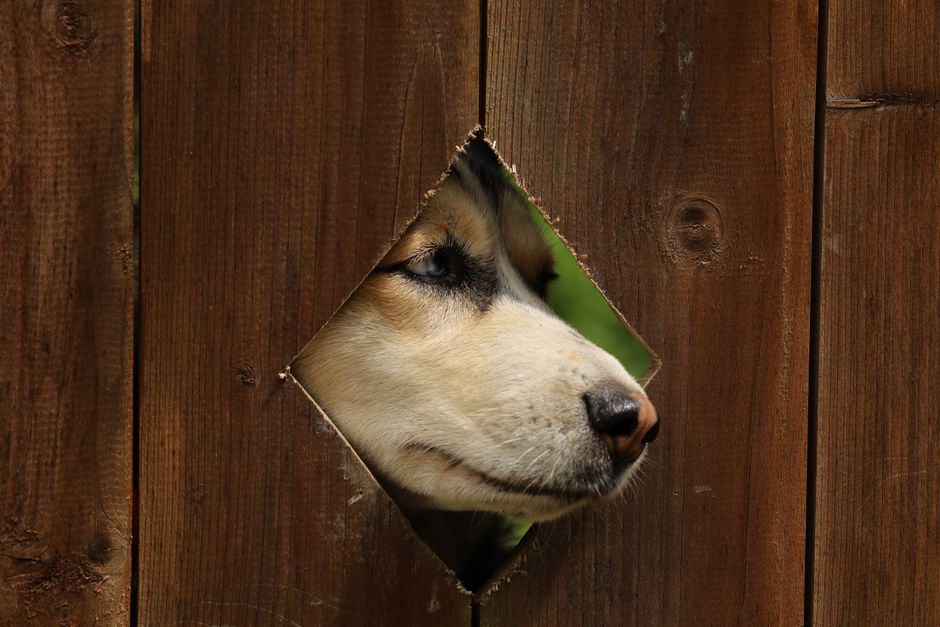
Photo by Istvan Gerenyi on Pexels
This content was created with AI assistance and is not a substitute for professional veterinary advice.
Digging is instinctive, inherited from wolf ancestors – all dogs dig to some degree, and it comes as naturally to them as barking or tail-wagging. There are six real, distinct reasons behind it, and Dogster notes each one calls for a genuinely different fix, not a single blanket solution.
The Six Real Reasons Dogs Dig
- Hunting prey. Dogs dig to locate underground animals like moles, mice, and snakes – their sensitive hearing can actually detect movement below the surface.
- Temperature regulation. Dogs create shallow depressions called “wallows” to lie in cooler dirt during hot weather, mimicking wild canine behavior.
- Burying objects. An instinctual behavior tied to protecting valuables and storing food for later – stronger in some dogs than others.
- Escaping barriers. Dogs dig under fences to reach something on the other side, often driven by boredom, loneliness, or wanting more stimulation than a confined yard offers.
- Boredom. Sometimes digging is simply something to do when a yard lacks enough enrichment – Dogster puts it plainly: “digging is just something to do.”
- Stress and anxiety. Digging can become a coping mechanism, with some dogs entering what Dogster describes as “a Zen state to ward off feelings of fear or uncertainty.”
Are Certain Breeds More Prone To Digging?
Yes, genuinely. Chewy cites dog trainer Amanda Farrah explaining that terriers carry this in their breeding history: “many small terriers were bred to hunt small prey, sometimes digging right into their burrows” – this applies to Jack Russell, Fox, Yorkshire, and Bull Terriers specifically, so owners of these breeds should expect stronger digging instincts and plan enrichment accordingly. Dogster separately notes German Shepherds have a reputation as “prolific diggers,” but clarifies they dig for the same underlying reasons as any other breed – just often with more enthusiasm, not a unique cause of their own.
Cause And Fix, Side By Side
| Cause | Fix |
|---|---|
| Hunting prey | Address any pest issue; redirect to toys/treats |
| Heat | Provide shade and water; limit time outside in peak heat |
| Burying objects | Limit access to portable items outside |
| Escaping | Reinforce fence barriers; increase enrichment |
| Boredom | More exercise; redirect to a designated dig area |
| Anxiety | More exercise, reduce stressors, consult a vet if persistent |
The Designated Digging Spot Method
Rather than fighting the instinct outright, redirecting it tends to work better. Chewy’s suggestion, from trainer Amanda Farrah: “make your dog his own little dig pit with a low-sided tub or box full of old towels or toys” – hiding kibble or treats inside gives a dog a reason to dig there specifically. A sandbox works as an alternative setup. The key training step is consistent positive reinforcement – treats, praise, and affection every time the approved spot gets used – so the behavior gets channeled somewhere that doesn’t matter instead of the flower bed or lawn.
When Digging Is Actually An Escape Risk
This is worth treating as a safety issue, not just a yard nuisance. When a dog digs specifically to get under a fence, Farrah notes boredom, loneliness, or feeling overly confined are common drivers – the fix is increasing yard enrichment or bringing the dog indoors more, not just physically blocking the hole. For dogs digging out of anxiety specifically, veterinarian Dr. Karwacki is direct: “do not leave your dog unattended in the yard until the anxiety has improved.” Physically reinforcing vulnerable fence areas (buried chicken wire, rocks along the base) adds a practical layer of security while the underlying cause gets addressed.
When To See A Vet
Most digging is behavioral and manageable with the fixes above, but a sudden, new digging habit in a dog that never used to dig – especially paired with other anxiety signs, restlessness, or a change in general behavior – is worth mentioning to a vet or a trainer rather than assuming it will resolve on its own. A real change in an established pattern is more informative than the digging itself.
Key Takeaways
- Digging is instinctive, not a training failure – it traces back to wolf ancestry and shows up in some form in nearly every dog.
- There are six distinct causes (prey-hunting, heat, burying, escape, boredom, anxiety), and each one responds to a different specific fix.
- Terriers carry a genuinely stronger digging instinct tied to their breeding history as hunters of underground prey.
- A designated digging spot, set up with treats or toys buried inside, redirects the instinct more effectively than trying to eliminate it outright.
FAQ
Is digging up flower beds specifically different from digging elsewhere in the yard?
Not usually in cause – it’s often just that flower beds have looser, more appealing soil, or interesting scents from fertilizer or buried bulbs. The same underlying reasons (boredom, prey scent, temperature) still apply; the flower bed is just a more attractive spot to dig, not a separate behavior.
Can spaying or neutering reduce digging?
It can help with escape-driven digging tied to seeking a mate, since that’s one specific motivation altered by the procedure, but it won’t address digging driven by boredom, heat, prey instinct, or anxiety. It’s a partial fix for one specific cause, not a general digging solution.
How can I tell if my dog is digging from heat versus boredom?
Timing and location are the clues – heat-driven digging tends to happen during the hottest part of the day, often in shaded or cooler-looking soil, and the dog usually lies down in the hole afterward. Boredom-driven digging is less tied to temperature or time of day and often comes with other restless behaviors like pacing or chewing.