Small Pets for Apartments
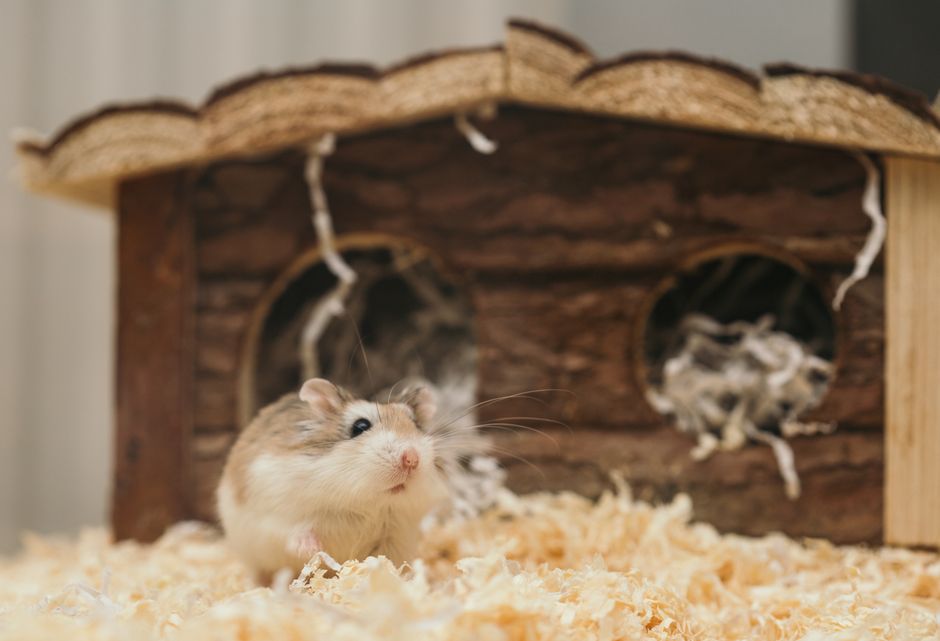
Photo by Ellie Burgin on Pexels
This content was created with AI assistance and is not a substitute for professional veterinary advice.
Space is only part of the equation when picking an apartment pet. According to Jackson Vets, choosing the right small pet means researching individual care requirements and checking local permit regulations first – not just picking whichever animal seems to need the smallest cage.
General Criteria Before Choosing
Before any specific animal, it’s worth knowing that permit and ownership rules genuinely vary by location – some states and cities restrict ownership of certain species outright, and this isn’t a formality to skip. Checking your specific lease terms and local regulations before committing to a pet avoids finding out too late that a species you’ve already bought isn’t actually allowed.
Small Pets Compared
| Pet | Space Needed | Noise | Best For |
|---|---|---|---|
| Rabbit | Flexible, can free-roam | Small and quiet | Owners wanting a cuddly, social pet |
| Hamster | 2 cubic feet plus wheel and hideaway | Quiet | Allergy-conscious owners, don’t shed |
| Rat | 2 cubic feet per rat | Quiet | Owners wanting an intelligent, easily tamed pet |
| Chinchilla | At least 2 feet long enclosure | Quiet, nocturnal | Owners who can commit to gentle handling |
| Hedgehog | 2 feet by 3 feet cage | Quiet, nocturnal | Allergy-conscious owners wanting a solitary pet |
| Hermit crab | 10-20 gallon tank | None | Owners wanting a hypoallergenic, low-noise pet |
Rabbits: Social, But Not Low-Maintenance
Rabbits are described as small and quiet, and genuinely enjoy cuddling and companionship – a meaningfully more interactive pet than most small-space options. That said, they can be litter-trained but require real bunny-proofing, since chewing electrical cords is a common and dangerous habit if a rabbit has unsupervised access to them. A rabbit’s space needs are flexible – it can free-roam a room or apartment – but that flexibility comes with an upfront setup requirement most other small pets on this list don’t have.
Hamsters And Rats: Compact But Not Identical
Both fit a similar footprint – roughly 2 cubic feet of space, plus a wheel and hideaway for a hamster – but their temperaments differ. Rats are notably social and intelligent, genuinely enjoying time sitting on an owner’s lap or shoulders, and tame easily. Hamsters can also be tamed with regular handling, but are more solitary by nature and don’t offer quite the same lap-time interaction. Both are most active at night, which is worth factoring in if noise or activity near a bedroom matters.
Chinchillas And Hedgehogs: Nocturnal, Gentle, But Niche
Chinchillas can bond closely with gentle, consistent handling and are relatively clean, needing an enclosure at least 2 feet long. Hedgehogs are solitary and gentle, good for allergy sufferers, but genuinely nocturnal and may require a state permit depending on where you live – worth checking before committing, since permit requirements for hedgehogs aren’t universal.
The ‘Easy’ Pets That Need Real Hygiene Discipline
This is worth taking seriously rather than treating as a footnote. Reptiles and amphibians that look genuinely low-maintenance on paper – leopard geckos, bearded dragons, frogs – carry a real salmonella risk, and hand-washing after handling is essential, not optional. These pets aren’t a bad choice, but they come with a hygiene requirement that a hamster or rabbit simply doesn’t – worth factoring in for households with young children or anyone immunocompromised.
Truly Low-Interaction Options
Hermit crabs stand out as genuinely hands-off: no noise at all, hypoallergenic, and able to cohabitate with other crabs. They’re a fundamentally different category from the pets above – suited to owners who want something to observe and maintain rather than handle regularly. Tarantulas and millipedes fall into a similar observation-focused category, with minimal handling recommended for both, though tarantulas carry mildly toxic venom worth knowing about even with careful handling.
Key Takeaways
- Space needs matter less than most lists suggest – permit rules, noise, and hygiene requirements often separate a good apartment pet from a poor one more than cage size does.
- Rabbits and rats offer genuine social interaction; hamsters, chinchillas, and hedgehogs are more solitary but still quiet and apartment-friendly.
- Reptiles and amphibians that look low-maintenance carry a real salmonella risk requiring strict hand-washing, especially relevant for households with young kids.
- Some species (ferrets, hedgehogs, and others depending on location) may require a state or local permit – check before adopting, not after.
FAQ
Are hamsters or rabbits better for apartments with allergy concerns?
Hamsters are generally considered a better fit for allergy-conscious households since they don’t shed, while rabbits can trigger allergies more readily due to shedding and dander. Neither is guaranteed allergy-free, though, so spending time with the specific animal before committing is worth doing if allergies are a concern.
Do I need a permit to keep an exotic small pet in my apartment?
It depends on the species and your specific state or city – hedgehogs and ferrets are two common examples that may require a permit in some jurisdictions, while most hamsters, rabbits, and rats typically don’t. Checking your local regulations before adopting is the only reliable way to know, since rules vary significantly by location.
Is a nocturnal small pet a bad choice for a studio apartment?
Not necessarily, but it’s worth planning around – nocturnal pets like hamsters, chinchillas, and hedgehogs are most active at night, which can mean audible wheel-running or cage activity if the enclosure is close to where you sleep. Placing the cage in a different room, or further from the bed, generally resolves this without needing to rule out a nocturnal pet entirely.