Cat Body Language Chart
No single signal tells the whole story – tail, ears, eyes, whiskers, and posture need to be read together to know what a cat is actually communicating.

No single signal tells the whole story – tail, ears, eyes, whiskers, and posture need to be read together to know what a cat is actually communicating.
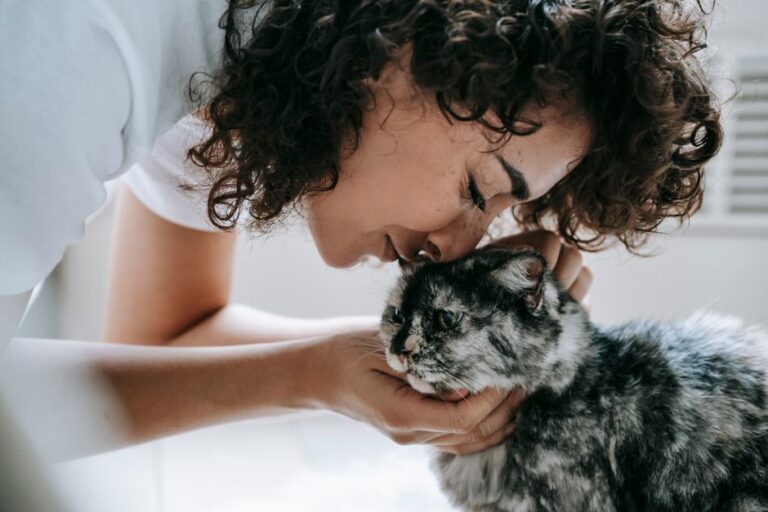
Cats show affection differently than dogs – mostly through quiet signals like a slow blink or a head bump, not big obvious displays.

The best toys work because they let a cat finish the whole hunting sequence, not because of a price tag – and there’s one real safety line worth knowing.

A small piece is safe, but cucumber isn’t doing your cat any nutritional favors – and the viral “scared of cucumbers” trend is worth understanding before you try it.

It’s far more common than most owners realize, and despite the popular theory, research says it’s probably not really about hairballs.
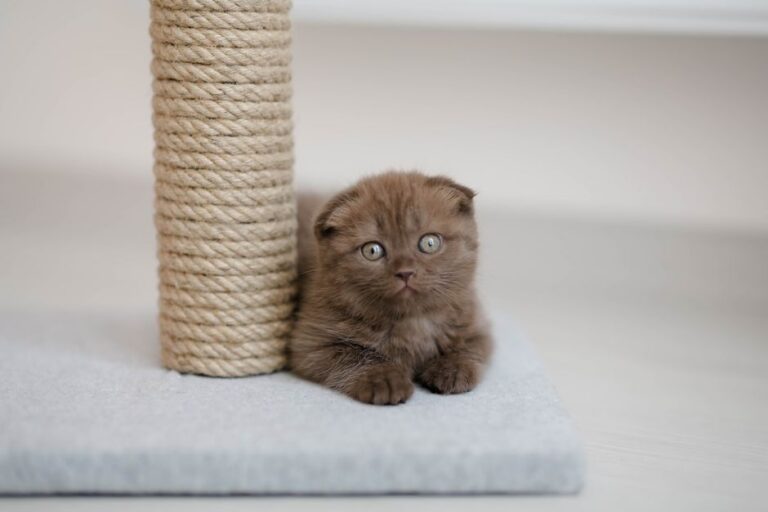
Scratching furniture isn’t misbehavior or spite – it’s a completely normal cat behavior, and the real fix is redirection, not punishment.

Nighttime meowing often ties back to a cat’s natural activity rhythm – but in senior cats especially, it’s also a hallmark sign worth checking with a vet.

It’s not aggression or dysfunction – bringing prey home is a well-documented instinct, and often a genuine sign of trust rather than something to scold.

A little drooling can be genuine contentment – but new or persistent drooling is worth checking, since dental disease can cause it even in a cat that seems completely fine.