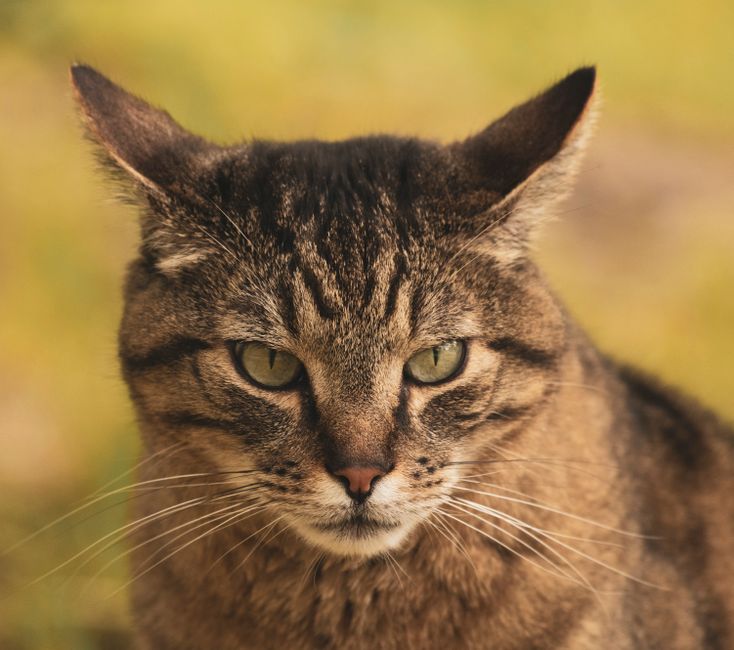
Why Does My Cat Stare at Me?
Photo by Samuel Sweet on Pexels
This content was created with AI assistance and is not a substitute for professional veterinary advice.
Most cat staring is either affection, especially with a slow blink, curiosity, or a request for attention, food, or play – but a hard, unblinking stare paired with a stiff body is a warning, and a sudden change in staring behavior in an older cat can point to a medical issue.
The Real Reasons Cats Stare At Their Owners
Staring almost always comes down to one of these:
- Affection and trust. According to PetMD, “the very act of making eye contact and voluntarily blinking indicates the cat’s feeling for you” – a slow, soft blink is one of the clearest trust signals a cat gives.
- Curiosity. Cats are genuinely observant, and as Catster puts it, “you must seem especially strange to your cat” – staring is often just information-gathering about what you’re doing.
- Attention-seeking. A stare often comes right before a meow, another slow blink, or rubbing against you, according to PetMD.
- Play solicitation. PetMD describes cats crouching with dilated pupils and a swishing tail before staring intently, sometimes followed by a sprint to swat at a foot.
- Food requests. A hungry cat may stare while vocalizing, sometimes leading you toward the food bowl.
- Boredom or needing reassurance. Catster notes that cats without enough stimulation may look to their owner for entertainment, and can also seek reassurance the same way when feeling insecure or anxious.
Why It’s Worth Reading The Whole Stare, Not Just The Eyes
An affectionate stare and a warning stare can look similar for a split second, which is exactly why the rest of the body matters. PetMD is specific about the difference: a hard, unblinking stare paired with stiff body language and raised fur along the back is a threat signal, not affection, and the advice is to put at least 5 feet of distance between yourself and the cat rather than staring back. On the other end, staring can also be an easy-to-dismiss early sign of a real medical issue, especially in an older cat – it’s simple to write off as “my cat being weird” when it’s actually a change worth paying attention to.
Affectionate Stare vs Warning Stare
| Sign | Relaxed / Affectionate | Fear or Aggression Warning |
|---|---|---|
| Blink | Slow, soft blinks | Hard, unblinking stare |
| Body | Relaxed, loose | Stiff, tense, fur raised |
| Ears | Neutral or forward | Pulled back |
| Tail | Relaxed, or gently swishing during play | Puffed or lashing |
How To Respond To Different Kinds Of Staring
- Return a slow blink to an affectionate stare – it’s a simple way to communicate trust back in a way your cat actually understands.
- Redirect a play-soliciting stare to a toy before the crouch turns into a pounce on your foot or hand.
- Give real space to a hard, unblinking stare. PetMD’s specific advice is at least 5 feet – don’t stare back or escalate.
- Address the actual need behind attention- or food-driven staring, like a more consistent play schedule or feeding routine, rather than just reacting to the stare itself every time.
When To See A Vet Immediately
- A blank or glassy stare paired with confusion or disorientation, especially in a senior cat – Catster points to this as a possible sign of cognitive decline.
- Pupils that stay dilated regardless of lighting – Catster notes this can be linked to high blood pressure.
- Staring that seems tied to eye discomfort – squinting, redness, or avoiding light alongside the staring can point to an ocular injury.
- Any sudden change in staring behavior paired with other symptoms, like hiding, limping, or appetite changes.
Simple Ways To Meet The Need Behind The Stare
- Interactive wand toys give a play-soliciting stare somewhere productive to go.
- Puzzle feeders help with food-driven staring outside of normal mealtimes.
- A window perch gives a curious or bored cat something to watch besides you.
- A consistent daily play routine can reduce staring that’s really just attention-seeking in disguise.
Key Takeaways
- Most staring is affection, curiosity, or a request – a slow blink specifically signals trust and comfort.
- A hard, unblinking stare with a stiff body and raised fur is a warning, not affection – give space rather than staring back.
- In older cats specifically, a sudden shift to blank or glassy staring can point to cognitive decline, high blood pressure, or an eye problem.
- Meeting the actual need behind attention- or food-driven staring works better than just reacting to the stare in the moment.
FAQ
What does it mean if my cat stares at me and then slow blinks?
That combination is one of the clearest affection signals a cat gives – the stare gets your attention, and the slow blink that follows is specifically a trust and comfort signal, sometimes called a ‘cat kiss.’
Why does my cat stare at walls or empty space?
Occasional staring at seemingly nothing is usually just curiosity about something outside typical human perception, like a sound or a small movement. If it looks blank or confused rather than alert and focused, especially in an older cat, it’s worth mentioning at a vet visit rather than assuming it’s always harmless.
Is it true you shouldn’t make hard eye contact with an unfamiliar cat?
Yes – a hard, unblinking stare reads as a threat to cats, the same way it does when your own cat gives one during a warning. Softening your gaze or looking away occasionally tends to come across as less confrontational to a cat you don’t know well.