Why Does My Dog Eat Grass?
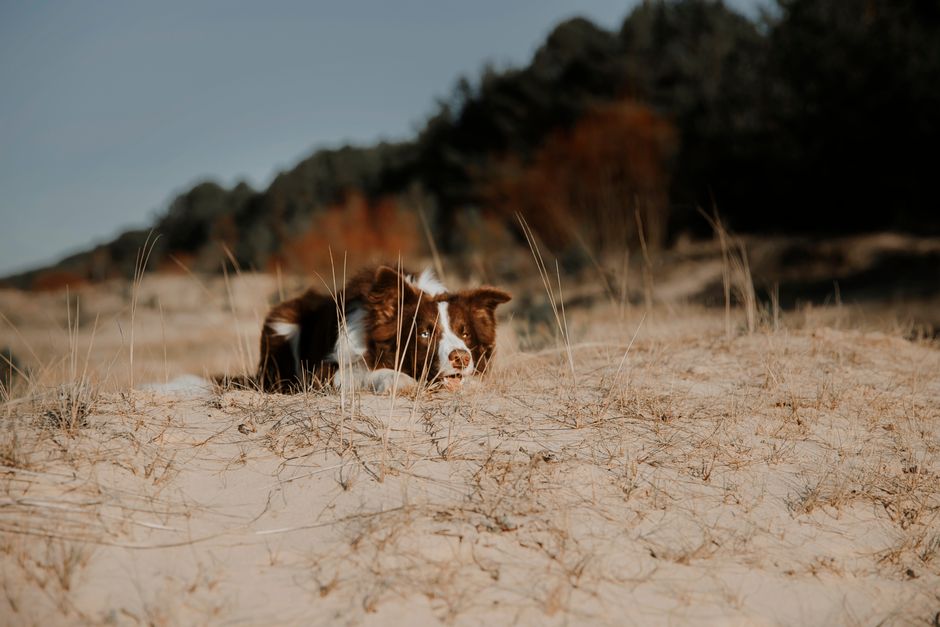
Photo by Elina Volkova on Pexels
This content was created with AI assistance and is not a substitute for professional veterinary advice.
Most dogs who eat grass aren’t sick and aren’t trying to make themselves vomit – taste and instinct are the most likely explanations, and studies show fewer than 25% of dogs actually vomit after eating grass at all.
The Real Reasons Dogs Eat Grass
Grass eating almost always comes down to one of these:
- Taste and texture. According to Vetster, this is believed to be the most common cause – plenty of dogs simply seem to enjoy it.
- Instinct. Some researchers point to inherited behavior from wild canids – grass turns up in a notable share of wolf droppings, suggesting the habit predates domestication rather than signaling anything is wrong.
- Fiber and digestion. Grass provides roughage that may support normal gut movement, similar to other fibrous foods.
- Boredom. Vetster notes this is a possible factor, though it describes boredom as “not a common cause” compared to taste.
- Two popular theories that aren’t well supported: nutritional deficiency has “no scientific evidence” behind it according to Vetster, and pica (a compulsion to eat non-food items) is rare – ordinary grass eating on its own doesn’t indicate it.
Why The “Dogs Self-Medicate” Myth Isn’t Quite Right
The idea that dogs deliberately eat grass to make themselves vomit when they feel sick is, as Vetster puts it, “a common myth that has some truth behind it.” The more accurate picture: dogs aren’t intentionally inducing vomiting. Long blades of grass can trigger a gag reflex mechanically as they pass through the throat, and that’s more likely to end in vomiting if a dog happens to already be nauseated – but the grass-eating itself isn’t a calculated fix. That distinction matters because of how common the behavior actually is: research cited by Hepper found that less than 25% of dogs vomited after eating grass. In other words, most dogs who graze on grass never throw up at all, which makes occasional grass eating without vomiting a pretty unremarkable habit, not an early warning sign.
Occasional Grass Eating vs Worth Watching
| Sign | Normal | Worth Watching |
|---|---|---|
| Frequency | Occasional, during walks or yard time | Frequent, daily, or escalating |
| Vomiting | Rare or none | Regularly follows grass eating |
| Other symptoms | None | Lethargy, diarrhea, or appetite changes |
| Manner | Normal grazing | Frantic or obsessive, in large quantities |
What To Do If Your Dog Eats Grass
- Treat occasional grazing as normal, not automatically something to correct.
- Make sure the grass hasn’t been treated with pesticides or herbicides, since that’s a real risk separate from the grass itself.
- Consider your dog’s feeding schedule if grass eating tends to line up with hunger between meals.
- Add chew toys or more enrichment if boredom seems to be part of what’s driving it.
- Track the pattern, not just the behavior itself – frequency, whether vomiting follows, and any other symptoms are what actually tell you if it’s worth a closer look.
When To See A Vet Immediately
- A fever over 102.5°F, vomiting blood, or blood in the stool, according to FirstVet.
- Vomiting that continues for several days despite basic home care.
- Any chance your dog swallowed a foreign object along with the grass, not just grass itself.
- Regular, repeated vomiting specifically tied to grass eating – an occasional episode is different from a consistent pattern.
Simple Ways To Address Grass Eating
- Puzzle feeders and chew toys help if boredom is contributing to the habit.
- Fiber-appropriate dog food or vet-approved supplements can address the fiber angle without relying on grass itself.
- Pet-safe lawn care products remove the pesticide risk if your dog grazes in your own yard regularly.
- A consistent feeding schedule can reduce grass eating that’s tied to hunger between meals.
Key Takeaways
- Most dogs who eat grass aren’t sick – taste and instinct are the most likely reasons, not deliberate self-induced vomiting.
- Fewer than 25% of dogs actually vomit after eating grass, so occasional grazing without vomiting isn’t automatically a concern.
- Theories like nutritional deficiency and pica aren’t well supported by evidence for typical grass eating.
- Regular vomiting after grass, or grass eating paired with other symptoms, is the actual pattern worth a vet visit.
FAQ
Is it true dogs eat grass to make themselves throw up?
Not quite – dogs don’t appear to eat grass with the deliberate goal of vomiting. Vomiting can follow because the grass mechanically triggers a gag reflex, especially if a dog is already nauseated, but that’s a side effect, not the actual reason for eating it in the first place.
Is grass itself actually bad for dogs to eat?
Plain, untreated grass generally isn’t harmful in small amounts. The real risk is grass treated with pesticides, herbicides, or fertilizers, which is why it’s worth knowing whether the grass your dog grazes on has been chemically treated.
Should I try to stop my dog from eating grass?
Generally not necessary for occasional grazing on safe, untreated grass. It’s worth addressing only if it becomes frequent or obsessive, or if it’s regularly followed by vomiting or other symptoms.