Can Cats Eat Peanut Butter?
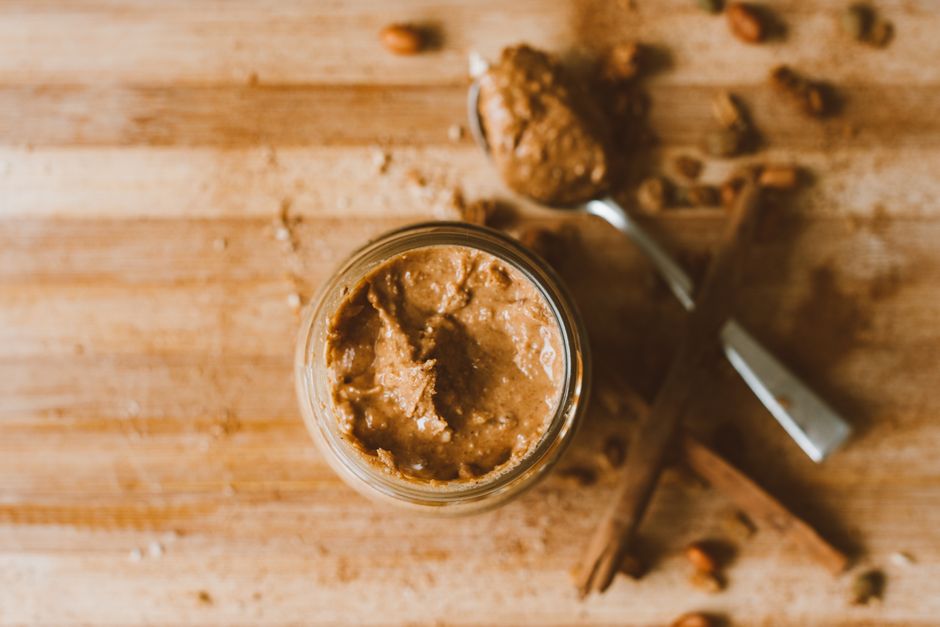
Photo by ROMAN ODINTSOV on Pexels
This content was created with AI assistance and is not a substitute for professional veterinary advice.
Plain peanut butter without xylitol isn’t toxic to cats, but most vets recommend against feeding it anyway – it offers cats no nutritional benefit, is high in fat, and if it does contain xylitol, that’s a genuine emergency, not just an upset stomach.
Is Peanut Butter Actually Safe For Cats?
Peanut butter itself isn’t on the list of foods that poison cats the way onions, garlic, or grapes do. According to PetMD, peanut butter “isn’t inherently toxic to cats” as long as it’s free of xylitol – a healthy cat eating a small lick likely won’t have a dangerous reaction. But “not toxic” isn’t the same as “recommended,” and vets are fairly consistent that this is a food to skip rather than a safe everyday treat.
Why Vets Recommend Skipping It Anyway
Cats are obligate carnivores – their bodies are built to run on nutrients from animal protein, not plant-based foods like peanuts. Catster puts it plainly: cats “rely on the nutrients in animal products” to meet their dietary needs, and peanut butter’s protein comes from a plant, not meat. PetMD describes it as “empty calories” for a cat – it doesn’t do anything nutritionally useful for them the way it might for a person.
The fat and calorie content makes this worse, not better. Catster notes that a single tablespoon of peanut butter has close to 100 calories and 8 grams of fat – for context, that can be roughly half of a 10-pound cat’s entire daily calorie budget in one spoonful. For cats already prone to weight gain, that’s a significant hit from a food providing no nutritional upside in return.
Xylitol: The One Ingredient That Changes Everything
Xylitol is an artificial sweetener used in a growing number of peanut butter brands, and it’s genuinely dangerous – PetMD states that if a cat eats peanut butter containing xylitol, “the result can be fatal without treatment.” Catster adds an important nuance: solid research specifically on xylitol toxicity in cats is limited (one commonly cited study looked at only six cats), but both sources land on the same practical conclusion – treat any xylitol exposure as a reason to call a vet immediately rather than wait and see, since the well-documented danger in dogs and the lack of safety data in cats both point the same direction.
Always check the ingredient label before giving a cat any peanut butter at all – xylitol (sometimes listed as “birch sugar”) shows up in more “natural” and low-sugar brands specifically because it’s marketed as a healthier sweetener.
Normal Reaction vs Emergency Signs
| Situation | Normal | Emergency |
|---|---|---|
| Ingredient list | No xylitol | Contains xylitol/birch sugar |
| Amount eaten | A small lick or taste | Any amount of xylitol-containing product |
| Stomach | Normal, or mild and brief upset | Vomiting, weakness, wobbliness |
| Energy | Normal activity | Sudden lethargy or collapse |
How To Feed It Safely, If You Do
- Check the label every time, even for a brand you’ve used before – manufacturers reformulate products, and xylitol isn’t always obvious from the name.
- Keep the amount genuinely small. PetMD notes healthy cats eating less than a teaspoon of xylitol-free peanut butter typically experience nothing worse than mild, brief stomach upset.
- Use a thin smear, not a glob, to reduce the sticky choking hazard Catster flags – peanut butter’s texture is a real risk in a cat’s small throat regardless of ingredients.
- Treat it as occasional at most, not a regular treat – there’s no nutritional reason to make it a habit.
- Skip whole peanuts entirely – PetMD notes peanuts in the shell or whole can cause choking or intestinal blockages, a separate risk from the butter itself.
When To See A Vet Immediately
- Any peanut butter containing xylitol, regardless of amount eaten – don’t wait for symptoms, call a vet or animal poison control right away.
- Vomiting, weakness, wobbliness, or collapse after eating peanut butter of any kind – these can signal a blood sugar crash from xylitol.
- Choking, gagging, or pawing at the mouth right after eating – the sticky texture can lodge in a cat’s throat or stick to the roof of the mouth.
- Hives, facial swelling, or difficulty breathing – signs of a possible allergic reaction, which Catster notes cats can develop at any life stage even though nut allergies are uncommon in cats.
Better Treat Alternatives
- Small pieces of cooked chicken or turkey – PetMD’s suggested swap, and a genuine source of the animal protein cats actually need.
- Plain cooked fish like tuna or salmon, in moderation.
- A small piece of cooked egg, another vet-recommended, nutritionally appropriate option.
- Commercial cat treats formulated for feline nutrition, rather than a human food repurposed as a treat.
Key Takeaways
- Plain, xylitol-free peanut butter isn’t toxic to cats, but it has no nutritional value for an obligate carnivore and is high in fat relative to a cat’s small calorie budget.
- Xylitol is the real danger – if it’s in the ingredients, treat any amount eaten as an emergency, not a wait-and-see situation.
- The sticky texture itself is a choking hazard separate from any ingredient concern.
- Meat-based treats like chicken, turkey, or fish give cats an actual nutritional benefit that peanut butter can’t.
FAQ
Can cats eat whole peanuts, not just the butter?
It’s riskier than peanut butter, not safer – whole peanuts, especially in the shell, are a choking hazard and can cause an intestinal blockage, according to PetMD. Peanut butter’s texture avoids that specific risk but trades it for a sticky choking hazard of its own.
Do cats even like the taste of peanut butter?
Not for the reason you’d expect – cats lack the taste receptors that let dogs and people perceive sweetness, so it’s not the “sweet treat” appeal drawing them in. Interest in peanut butter is more likely about its smell, fat content, or texture than any taste for sweetness itself.
Is crunchy peanut butter worse for cats than smooth?
Crunchy adds an extra choking consideration on top of everything smooth peanut butter already carries, since the peanut pieces are harder for a cat to break down than the paste alone. If you’re going to offer any peanut butter at all, smooth is the lower-risk choice.