Can Rabbits Eat Cucumber?
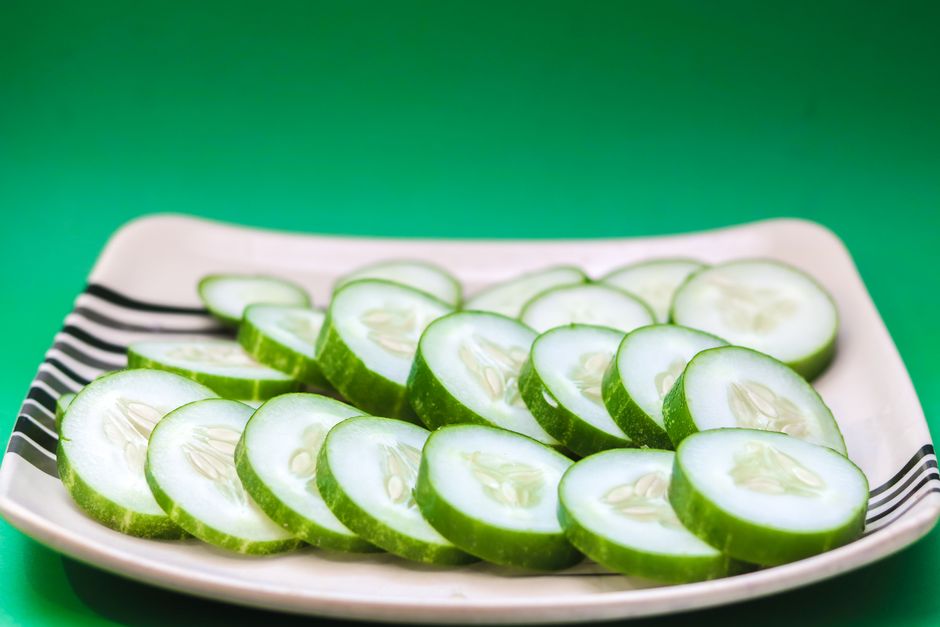
Photo by Adedamola Oyenuga on Pexels
This content was created with AI assistance and is not a substitute for professional veterinary advice.
Yes, rabbits can eat cucumber – it’s safe and low-calorie, but its very high water content means it should stay a small, occasional treat rather than a regular part of meals, since too much can trigger diarrhea in a rabbit’s sensitive gut.
Is Cucumber Actually Safe For Rabbits?
Cucumber isn’t toxic to rabbits and doesn’t carry the kind of warning that some other human foods do. According to Chewy, cucumbers are roughly 96% water, which makes them a genuinely hydrating, low-calorie snack that’s unlikely to contribute to weight gain the way starchier treats can. The skin is safe too – Chewy notes the dark green peel actually carries more of the nutrients and fiber than the watery flesh inside, so there’s no reason to peel it before offering a slice.
Why Water Content Is The Real Issue, Not Toxicity
Rabbits are hindgut fermenters – their digestion relies on a stable balance of gut bacteria, and anything that shifts that balance too quickly can cause problems. House Rabbit Society specifically flags high-water vegetables like cucumber as a common cause of diarrhea and runny stools when rabbits get too much, too fast. Both Chewy and House Rabbit Society point to the same underlying concern: it’s not that cucumber is dangerous in principle, it’s that a rabbit’s gut doesn’t handle a sudden, large amount of extra water well, and that can escalate into more serious digestive upset if ignored.
Normal Reaction vs Warning Signs After Cucumber
| Sign | Normal | Worth Watching |
|---|---|---|
| Stool | Normal, firm droppings | Soft stool or diarrhea |
| Appetite | Eating normally | Noticeably reduced |
| Energy | Normal activity | Lethargy |
| Belly | Relaxed, normal shape | Bloating or visible discomfort |
| Droppings | Consistent output | Decreased poop production |
How To Feed Cucumber Safely
- Start with one slice. Both sources recommend introducing cucumber slowly – offer a single thin slice the first time and watch your rabbit’s droppings over the next 24 hours before offering more.
- Keep portions small. Chewy suggests up to two slices, three to four times a week, as a reasonable upper bound for an adult rabbit – not a daily addition.
- Leave the skin on. It’s safe to eat and more nutritious than the flesh alone.
- Cut slices thin to reduce any choking risk, especially for smaller rabbits.
- Wash thoroughly to remove pesticide residue before offering it.
- Pair with a varied diet, not as a stand-in for it – House Rabbit Society recommends introducing only one new vegetable type at a time, waiting roughly a day before adding another, so you can tell which food is actually responsible if something upsets your rabbit’s stomach.
When To See A Vet Immediately
- Soft stool, diarrhea, or reduced appetite that lasts beyond about 12-24 hours after cucumber, or that worsens instead of improving.
- A noticeable drop in droppings, or none at all. In rabbits, this is one of the earliest signs of GI stasis – a slowing or stopping of digestion – which can become life-threatening if it isn’t addressed quickly.
- Visible bloating, hunching, teeth grinding, or reluctance to move, especially paired with reduced eating or pooping.
Better Everyday Diet Staples
- Unlimited fresh grass hay (timothy or similar) should make up the large majority of a rabbit’s daily diet, not vegetables or fruit.
- A rotating mix of leafy greens, introduced one at a time, gives more consistent nutrition than watery treats like cucumber.
- Fresh water at all times, especially important if a rabbit is also getting high-water treats, to support normal digestion.
- Measured portions relative to body weight – House Rabbit Society’s general guideline is around one cup of packed greens per two pounds of rabbit per day, with watery vegetables like cucumber counted as a small part of that, not extra on top.
Key Takeaways
- Cucumber isn’t toxic to rabbits – at about 96% water, the real risk is digestive upset from overfeeding, not poisoning.
- Both Chewy and House Rabbit Society treat high water content as the specific reason to limit cucumber, since it can trigger diarrhea in a rabbit’s sensitive gut.
- Introduce cucumber slowly, one slice at first, and watch droppings for about a day before offering more.
- A drop in droppings or appetite after a new food is a serious early sign in rabbits, since GI stasis can progress quickly – don’t wait it out.
FAQ
Can rabbits eat cucumber seeds?
Yes – the seeds inside a cucumber are soft and considered safe for rabbits to eat along with the flesh, unlike the harder pits or seeds found in some fruits.
Is cucumber a good treat for an overweight rabbit?
It can be a reasonable choice specifically because it’s low in calories, but it shouldn’t replace measured vegetable portions or hay – the goal for weight management is still a hay-based diet with controlled treat amounts, not simply swapping in a lower-calorie treat.
Can baby rabbits eat cucumber?
It’s better to wait. Young rabbits under about 12 weeks have more sensitive digestive systems still developing, and House Rabbit Society recommends introducing any new vegetable to young rabbits far more cautiously and in smaller amounts than for adults.