Best Indoor Cats: Breeds and How to Actually Care for Them
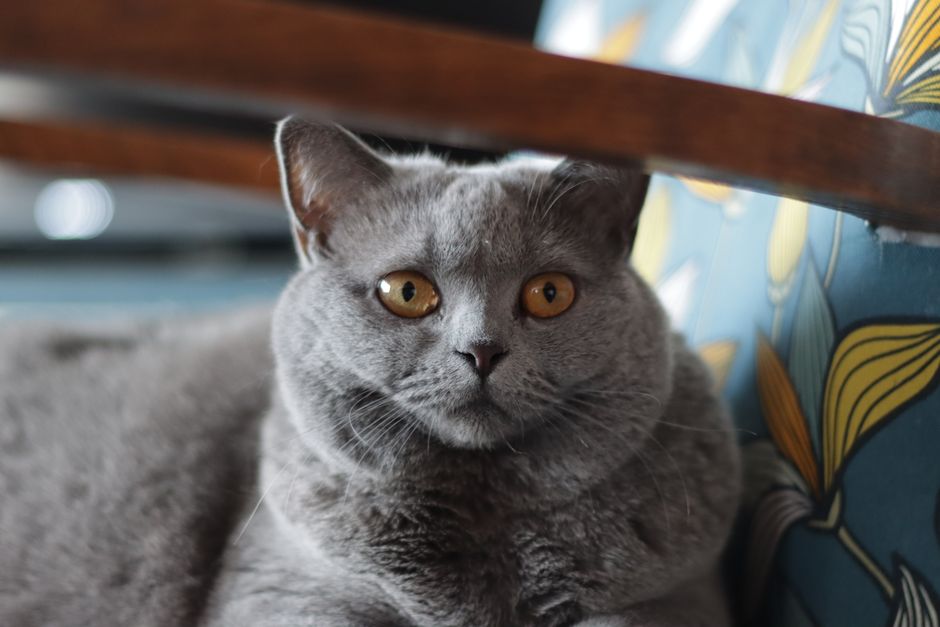
Photo by Musko io on Pexels
This content was created with AI assistance and is not a substitute for professional veterinary advice.
Cat breeds like the British Shorthair, Persian, Ragdoll, and Russian Blue are commonly recommended for indoor-only living because of their calm temperament and lower activity needs – but breed is only part of the picture, since feeding and enrichment matter just as much for keeping any indoor cat happy and healthy.
What Makes A Breed Well-Suited To Indoor Life
The traits that actually matter for indoor living have less to do with looks and more to do with temperament: a calm disposition that doesn’t get stressed by confined space, moderate rather than high energy needs, and general adaptability to a consistent routine. Individual personality still varies a lot within any breed, so these are tendencies, not guarantees – but they’re a reasonable starting point if you’re choosing a cat specifically for an indoor-only home.
Cat Breeds Commonly Recommended For Indoor Living
| Breed | Temperament | Why It Suits Indoor Life |
|---|---|---|
| British Shorthair | Calm, quiet, easygoing | Content and low-maintenance without being needy for constant attention |
| Persian | Gentle, mellow | Rarely tries to escape or explore outside; classic lap-cat personality |
| Ragdoll | Relaxed, affectionate | Enjoys lounging and following owners around rather than roaming |
| Russian Blue | Calm, adaptable | Quiet and comfortable with a consistent indoor routine |
| Scottish Fold | Affectionate, easygoing | Adapts well to smaller spaces and routine-based living |
| Exotic Shorthair | Calm, low-key | Similar temperament to the Persian, with lower grooming needs |
Feeding An Indoor Cat: What Actually Matters
According to the ASPCA, a cat with a normal activity level should generally receive maintenance-level calories, while a more sedentary cat may need roughly 10% less. This matters more for indoor cats specifically: according to Today’s Veterinary Practice, indoor-only cats depend entirely on their owner for what, when, and how much they eat, which puts them at meaningfully higher risk of becoming overweight than cats with outdoor access. Neutering compounds this further, lowering energy needs while increasing appetite. On top of portion control, all cats need taurine, an amino acid found only in animal-based protein, making a genuinely meat-based diet non-negotiable regardless of breed.
Why Food-Based Enrichment Matters More Indoors
In the wild, cats naturally eat in small, frequent sessions, up to 8 to 16 times a day, working for each one through hunting, according to Today’s Veterinary Practice. That instinct doesn’t disappear just because meals show up in a bowl. Food puzzles, hiding kibble around a room, or feeder balls give an indoor cat an outlet for that natural behavior instead of leaving it unused – which matters for mental stimulation as much as for the exercise that comes with “working” for a meal. Despite the benefits, adoption is surprisingly low: the same source notes only about 30% of owners actually use food puzzles.
When To Get Your Vet Involved
- Calculating your specific cat’s calorie needs. Body size, age, and activity level all factor in, and the ASPCA recommends working with a vet to land on an actual number rather than guessing.
- Regular body condition scoring, especially for an indoor-only cat, catches gradual weight gain before it becomes a bigger problem – obesity raises the risk of diabetes, liver issues, and joint pain.
- Before switching to a specific breed-recommended diet or food puzzle routine, particularly for a cat with any existing health condition.
Key Takeaways
- Breeds like the British Shorthair, Persian, Ragdoll, and Russian Blue are commonly recommended for indoor life because of calm, adaptable temperaments – but individual personality still varies within any breed.
- Indoor cats face a meaningfully higher obesity risk than cats with outdoor access, simply because they depend entirely on their owner for food.
- All cats need a genuinely meat-based diet for taurine, regardless of breed or lifestyle.
- Food puzzles and hiding food around a room tap into a cat’s natural hunting instinct, and most owners aren’t actually using this kind of enrichment yet.
FAQ
Are mixed-breed cats worse suited to indoor life than purebred cats?
Not necessarily – temperament varies enormously by individual cat, not just by breed. A calm, adaptable personality in a mixed-breed cat matters more for indoor living than pedigree does.
Do indoor cats really need less food than outdoor cats?
Often yes, since they typically burn fewer calories without outdoor activity, but the right amount depends on your specific cat’s weight, age, and activity level rather than a flat rule – which is why working out an actual number with a vet matters more than guessing.
Is it too late to start food puzzles with an older indoor cat?
No – the instinct behind food puzzles is a natural, ongoing one, not something a cat ages out of. Older cats can take a little longer to learn a new puzzle, but starting later still provides the same mental stimulation benefit.