Why Does My Cat Bring Dead Animals?
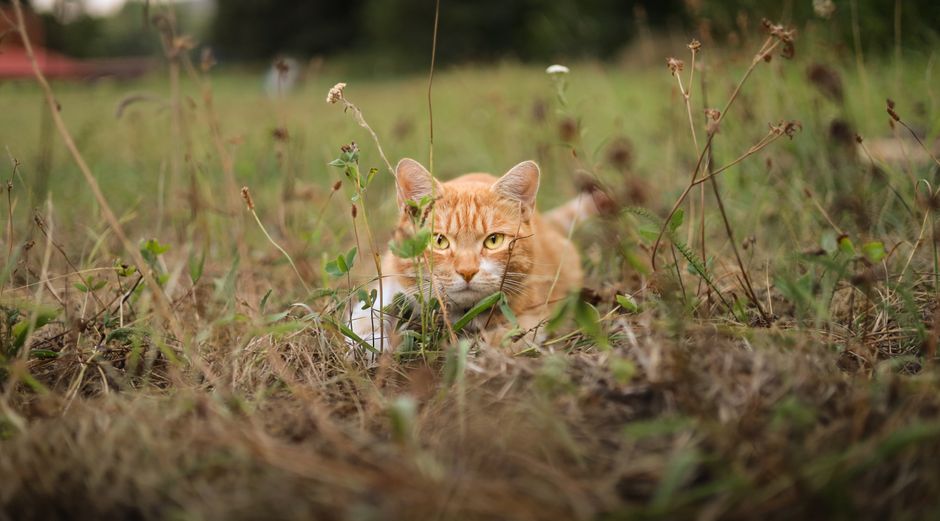
Photo by Enis Uzeiri on Pexels
This content was created with AI assistance and is not a substitute for professional veterinary advice.
It’s not aggression or a behavior problem – Catster notes that in the wild, mother cats bring half-dead prey to kittens both as food and to teach hunting skills, and domestic cats often extend that same instinct to their owners, whom they treat like family. It’s frequently a genuine sign of trust, not something to punish.
It’s Not Aggression – It’s Instinct
The maternal teaching theory is the most consistent explanation across vet-reviewed sources. PetMD frames it as skill-sharing – a cat demonstrating hunting technique the way it might have been taught by its own mother, extended to a human it considers family. This instinct runs deep enough that PetMD notes hunting drive persists even in well-fed cats with no nutritional need to hunt at all – it isn’t hunger driving the behavior, it’s instinct.
The Other Theories: Safekeeping And Bonding
Two other explanations show up alongside the teaching theory, and they’re not mutually exclusive:
- Safekeeping. PetMD describes cats bringing prey to a trusted location – your home, specifically near you – where it’s protected from other predators until the cat is ready to eat or play with it.
- Bonding and play. Catster frames gift-giving as a form of affection and an invitation to interact, not unlike a cat bringing a toy rather than prey – the behavior itself is closely related whether the “gift” is a dead animal or a favorite toy.
Why You Shouldn’t Scold (Or Reward) The Behavior
Catster is specific that scolding is the wrong response – it’s an instinct, not a problem the cat is choosing on purpose, and punishing it doesn’t map onto anything the cat can meaningfully connect to the behavior. At the same time, PetMD cautions against rewarding it with treats or toys, since that can reinforce and increase the frequency of the behavior. The practical middle ground both sources point toward: respond neutrally, dispose of the prey out of the cat’s sight, and redirect the underlying hunting drive elsewhere (more on that below) rather than treating the moment itself as either good or bad.
The Real Risks Worth Knowing About
There’s more to this than just an unpleasant surprise on the doormat. PetMD flags several genuine risks:
- Parasites – small rodents can carry tapeworms and other parasites that transfer to a cat that eats or plays with them.
- Rodenticide exposure – prey that’s ingested rat or mouse poison can pass that risk on to a cat that eats it.
- Injury – live or recently caught prey can bite or scratch a cat during the hunt itself.
- Wildlife impact – this isn’t just about your own cat’s safety. A widely cited study published in Nature Communications by the Smithsonian Conservation Biology Institute and U.S. Fish and Wildlife Service estimated outdoor cats kill between 1.4 and 3.7 billion birds a year in the US alone – a real ecological cost of unrestricted outdoor hunting, not just a household nuisance.
- Cat lifespan itself – outdoor cats face real risks (traffic, predators, disease) that indoor cats mostly avoid, and tend to live meaningfully shorter lives as a result.
Signs Worth Watching After A Hunt
| Situation | Normal | Worth Watching |
|---|---|---|
| Behavior after hunting | Normal energy and appetite | Vomiting, diarrhea, or appetite loss |
| Mouth/body | No visible injury | Drooling, wounds, or signs of a bite |
| Movement | Normal mobility | Mobility issues or shaking |
| Breathing | Normal | Changes in breathing |
PetMD recommends monitoring for exactly these signs after any hunting incident, since they can indicate a parasite, poisoning, or an injury from the prey itself – not something to assume is nothing just because the cat seems fine at first.
How To Reduce The Behavior If You Want To
- A bell on a cat-safe, quick-release breakaway collar gives prey a warning and can reduce successful hunts.
- Keep cats indoors, especially during dawn and dusk, when hunting activity peaks.
- A catio or enclosed outdoor space gives outdoor access without unrestricted hunting range.
- Leash and harness training for supervised outdoor time.
- Prey-mimicking toys and active play channel the same hunting instinct into something that doesn’t involve live animals – this is the actual outlet for the drive, not suppression of it.
Key Takeaways
- Bringing dead prey home is rooted in real instinct – maternal teaching behavior extended to owners treated as family – not aggression or dysfunction.
- Don’t scold it (it won’t make sense to the cat) or reward it with treats (which can reinforce the behavior) – a neutral response works better than either.
- Parasites, rodenticide exposure, and injury from prey are real risks worth watching for after a hunt, alongside a genuine ecological cost to local wildlife.
- Bells, indoor time during peak hunting hours, catios, and prey-mimicking toys are the practical ways to reduce the behavior without fighting the underlying instinct.
FAQ
Does my cat bring me dead animals because it thinks I can’t hunt for myself?
That’s a popular folk explanation, but it’s not what the actual behavior research points to – the more consistent explanation is maternal teaching instinct and treating you as family to share catches with, not a judgment about your hunting ability.
Should I let my cat eat what it catches?
It’s generally better not to, given the parasite and poisoning risks covered above – a well-fed cat doesn’t need to eat prey nutritionally, and the health risk usually outweighs any benefit of letting the behavior play out fully.
Are some cats more likely to bring gifts than others?
Individual hunting drive and personality vary a lot, and outdoor access obviously plays a huge role – a strictly indoor cat with no hunting opportunity simply can’t display this behavior with real prey, regardless of instinct level, which is part of why the behavior is more of an outdoor-access question than a personality trait alone.