Best Dog Toys for Aggressive Chewers
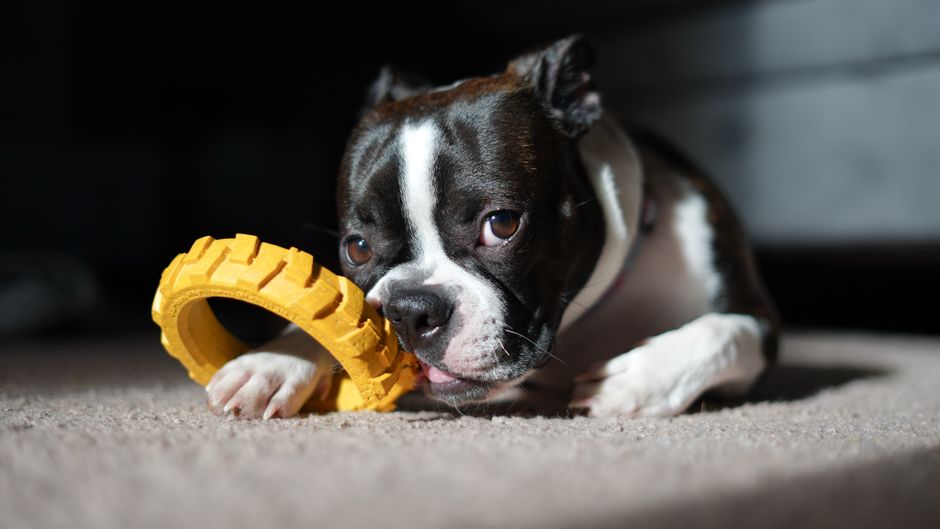
Photo by Sean Brannon on Pexels
This content was created with AI assistance and is not a substitute for professional veterinary advice.
For a power chewer, the biggest mistake is assuming the hardest toy is the safest one – vets are specific that materials like bones, antlers, and cow hooves are actually more dangerous than softer, flexible rubber and nylon, because they’re harder than a dog’s own tooth enamel.
The Biggest Mistake Owners Make With Power Chewers
It feels intuitive to reach for the toughest-looking chew for a dog that destroys everything – but that instinct is backwards. MountainView Veterinary Hospital is direct that antlers, hooves, real bones, and hard nylon toys are “harder than tooth enamel” and are “among the most common sources of slab fractures” the clinic treats. A cracked tooth – especially a carnassial fracture, the large upper chewing tooth most involved in hard biting – exposes sensitive inner pulp and can lead to infection or an abscess if it’s not treated. The toughest-looking option is often exactly the one that causes this.
The Thumbnail Test: How Vets Actually Judge Chew Safety
There’s a simple, genuinely useful test MountainView recommends before handing a dog any chew: “Press your thumbnail firmly into the chew. If it does not leave a dent, the product is hard enough to fracture a tooth.” Bestie Paws Hospital backs the same underlying principle – safe materials give slightly under pressure rather than resisting it entirely. It’s a 10-second check that rules out most of the “marketed as indestructible” products that actually pose real risk.
Materials That Are Actually Safe For Aggressive Chewers
Both vet sources point to the same three material categories as genuinely safer choices:
- Natural rubber (the material behind KONG’s black “Extreme” line) – durable, with enough give to pass the thumbnail test.
- Zogoflex, West Paw’s synthetic rubber – flexible, and notably safer even if small amounts are accidentally ingested compared to more rigid materials.
- Nylon – generally softer than bone and designed to wear down gradually rather than chip or splinter, though Bestie Paws flags an important caveat: rigid nylon chews can still be hard enough to risk a fracture, so the thumbnail test still applies even within this category, not just to obviously hard materials.
Avoid: cooked bones of any kind (they splinter into shards that can puncture the GI tract), and cow hooves or antlers, which both vet sources specifically call out as major fracture risks despite being widely sold as chew products.
Toys Vets And Owners Actually Recommend
Based on material safety and reported durability from owners of power chewers (not first-hand testing on our part):
- KONG Extreme – the black rubber Kong line, stuffable with treats and durable enough to hold up to heavy, sustained chewing. Downside: still not indestructible against the most extreme chewers, and it’s a premium-priced option compared to basic rubber toys.
- Goughnuts – built with a distinctive safety feature: a colored inner layer (usually red) that becomes visible once the outer rubber has been chewed through enough to warrant replacing it, giving a clear, built-in signal rather than requiring guesswork.
- West Paw Zogoflex – BPA, latex, and phthalate-free, backed by a lifetime guarantee in case of chew-through, and dishwasher safe for easy cleaning.
- Benebone – an ergonomic shape designed to be held with the front paws while chewing, in a nylon-based material; still worth thumbnail-testing the specific product before giving it unsupervised.
None of these are a substitute for supervision, especially with a new toy – every source agrees the safest approach is watching how a specific dog handles a new chew before leaving them with it unsupervised.
Safe vs Risky Chew Materials
| Material | Passes The Thumbnail Test | Vet Guidance |
|---|---|---|
| Natural rubber (Kong Extreme) | Yes | Generally safe, still supervise |
| Zogoflex (West Paw) | Yes | Flexible, safer if small pieces are swallowed |
| Soft/flexible nylon | Usually | Check hardness individually – not all nylon is equal |
| Rigid nylon bones | Often no | Test before use – can be too hard |
| Real bones, antlers, hooves | No | Harder than tooth enamel, a known fracture cause |
| Cooked bones | N/A – avoid entirely | Splinters, GI puncture risk |
When To Retire A Toy (And When It’s An Emergency)
Bestie Paws recommends replacing a chew toy once any of these show up: visible missing chunks, the toy becoming small enough to fit entirely in the dog’s mouth, a wear-indicator layer (like Goughnuts’ red layer) becoming visible, or fraying and splitting developing on the material.
MountainView is specific about what actually needs urgent care, not just a toy swap: repeated vomiting, appetite loss, or abdominal discomfort after a chewing session can point to a possible intestinal obstruction from a swallowed piece, and that needs emergency evaluation, sometimes including surgery. Separately, visible chips, discoloration, or favoring one side while eating are signs worth a vet visit to check for a fractured tooth, even without a full emergency picture.
Key Takeaways
- The hardest chew isn’t the safest one for a power chewer – materials harder than tooth enamel (bones, antlers, hooves) are a known cause of painful tooth fractures.
- The thumbnail test (press firmly – if it doesn’t dent, it’s too hard) is a fast, genuinely useful way to check any chew before giving it unsupervised.
- Natural rubber, Zogoflex, and (case-by-case) softer nylon are the material categories vets point to as safer, but supervision still matters, especially with a new toy.
- Vomiting, appetite loss, or abdominal discomfort after chewing can signal a swallowed piece causing obstruction – that’s an emergency, not a wait-and-see situation.
FAQ
Are rope toys safe for aggressive chewers?
They’re riskier than solid rubber options for a true power chewer, since rope fibers can fray and be swallowed in strands rather than wearing down predictably like rubber or nylon. If a dog shreds rope toys quickly, it’s worth switching to a rubber or Zogoflex option and supervising rope toys closely if you keep using them at all.
My dog loves antlers and hasn’t had a problem – are they really that risky?
The risk is real even without a problem so far, since a fracture can happen on any given chewing session, not gradually – vets specifically name antlers as a leading cause of the tooth fractures they treat because the material is harder than enamel. Not having an issue yet isn’t the same as the material being safe; it’s a genuine risk that just hasn’t come up yet.
How often should tough chew toys actually be replaced?
There’s no fixed schedule – it depends entirely on how hard and how often a specific dog chews, which is why watching the toy’s condition (missing chunks, visible wear indicators, becoming small enough to fit in the mouth) matters more than a calendar-based replacement rule.