Signs Your Hamster Is Stressed
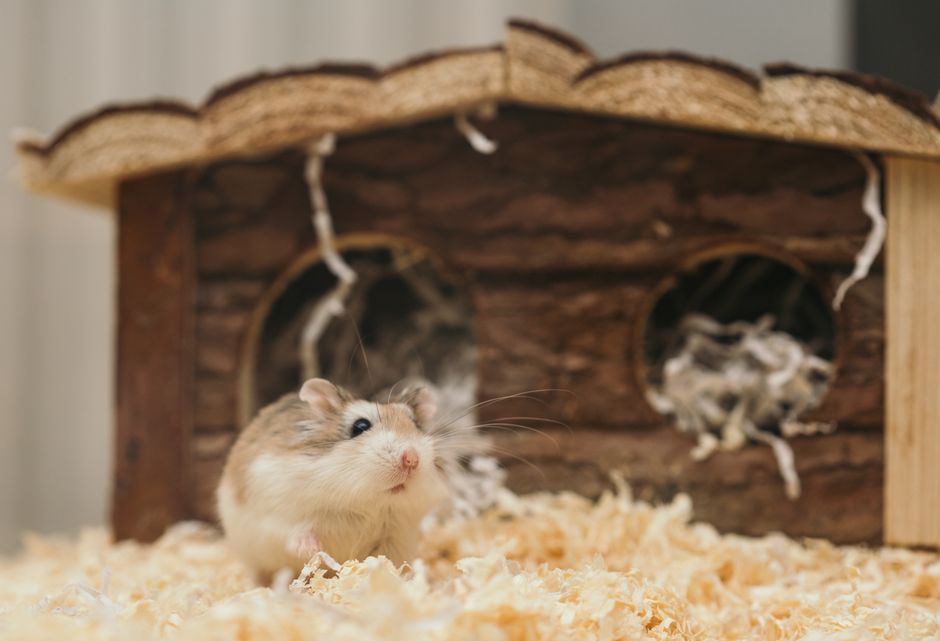
Photo by Ellie Burgin on Pexels
This content was created with AI assistance and is not a substitute for professional veterinary advice.
Hamsters show stress through a recognizable set of behaviors, and it’s genuinely worth learning them – according to PetsRadar, veterinarian Dr. Godfrey notes hamsters are “highly susceptible to stress,” which makes catching the signs early more important than it might be for other pets.
Behavioral Signs Of A Stressed Hamster
Dr. Godfrey describes stressed hamsters as “often hyperactive and restless,” showing behaviors like “rolling, scratching, licking, or scurrying in circles.” Molesey Vets adds more specific signals to watch for: repetitive cage bar biting, freezing, shaking, foot-thumping, and aggression toward cage mates. Increased hiding or sleeping beyond a hamster’s normal pattern is another behavioral shift worth noting.
Physical Signs Worth Watching
Stress shows up physically too, not just in behavior. Overgrooming can lead to hair loss or noticeably thinning fur, and Molesey Vets lists hunched posture, visible tenseness, and bulging eyes as physical stress signals. Excessive vocalization, appetite changes, and weight loss round out the picture – though these last few are also signs of a medical problem on their own, which is exactly why persistent versions of these signs need an actual vet visit rather than an assumption that it’s “just stress.”
Signs Of Stress At A Glance
| Category | Examples |
|---|---|
| Behavioral | Cage biting, circling, hyperactivity, freezing, foot-thumping |
| Physical | Hair loss, hunched posture, bulging eyes, excessive vocalization |
| Appetite/Weight | Reduced eating, weight loss |
| Social | Increased aggression toward cage mates, more hiding than usual |
Why Hamsters Are Especially Vulnerable To Stress
Part of the reason to take this seriously: hamsters are, by nature, solitary and territorial animals. Molesey Vets specifically notes that hamsters “typically prefer solitude,” unlike naturally social small pets like guinea pigs and rabbits – which means the usual advice to add a companion for loneliness doesn’t apply here, and can actually introduce a new stressor (a cage mate) rather than solving one. Combined with Dr. Godfrey’s point about high stress-susceptibility generally, hamsters are a species where getting the environment right matters more than it might for a more socially flexible pet.
Common Causes
- Fear-based triggers – loud noises, rough handling, or an unfamiliar environment. PetsRadar notes even a new cage alone can trigger anxiety in a species this sensitive to change.
- Insufficient stimulation – boredom and a lack of enrichment can lead to frustration, which shows up as the same stress behaviors.
- Proximity to predatory pets – Molesey Vets flags nearby cats or dogs as a real stressor, even without direct contact.
- Underlying illness or pain – stress symptoms can develop simply because a hamster is unwell, not stressed by its environment at all.
How To Help A Stressed Hamster
- Give it space and quiet. Position the cage in a calm area away from other pets and household noise.
- Provide real enrichment – toys, chews, and adequate cage size to combat boredom-driven stress.
- Handle gently and predictably. Move slowly, avoid strong perfumes or chemical smells near your hamster, and keep it close to the ground during handling to reduce fall risk and general anxiety.
- Rule out illness first. Both vets are consistent on this: check with a vet before assuming environmental changes alone will fix things, since the underlying cause could be medical.
When To See A Vet
Molesey Vets is specific that increased hiding, hair loss, appetite changes, and weight loss all warrant veterinary evaluation, since they can be caused by a medical problem rather than stress alone. If stress-reducing changes to the environment don’t resolve the behavior, or if any of these physical signs show up, a vet visit is the right next step rather than continuing to adjust the cage setup on your own.
Key Takeaways
- Hamsters show stress through recognizable behaviors – cage biting, circling, hyperactivity, freezing – and physical signs like hair loss and hunched posture.
- Hamsters are naturally solitary and, according to at least one vet, especially susceptible to stress, which makes catching signs early genuinely important for this species.
- A quiet location, real enrichment, and gentle, predictable handling are the main practical levers for reducing stress.
- Appetite loss, weight loss, and persistent physical signs need a vet visit, since they can point to illness rather than stress alone.
FAQ
Should hamsters be housed with other hamsters to reduce loneliness-related stress?
No, generally not – unlike social small pets like guinea pigs and rabbits, hamsters are naturally solitary and territorial, and housing them together (especially Syrian hamsters, which are strictly solitary as adults) typically causes more stress and conflict rather than less. A single hamster with good enrichment and handling isn’t a lonely hamster the way it might be for a more social species.
Can just switching to a new cage cause stress, even if everything else seems fine?
Yes – hamsters can be sensitive enough to environmental change that a new cage alone triggers a stress response, even with no other obvious cause. This usually settles as the hamster adjusts to the new space, but it’s worth watching for the signs above during any transition rather than assuming a new setup is automatically an improvement from the hamster’s perspective.
How long does it typically take a hamster to settle after a stressful change?
It varies by individual hamster and by the specific change, but giving a consistent, quiet environment and minimal handling for the first several days after any disruption (a new cage, a move, a new household member) is a reasonable approach. If stress signs persist well beyond an initial adjustment period, that’s the point to involve a vet rather than continuing to wait it out.