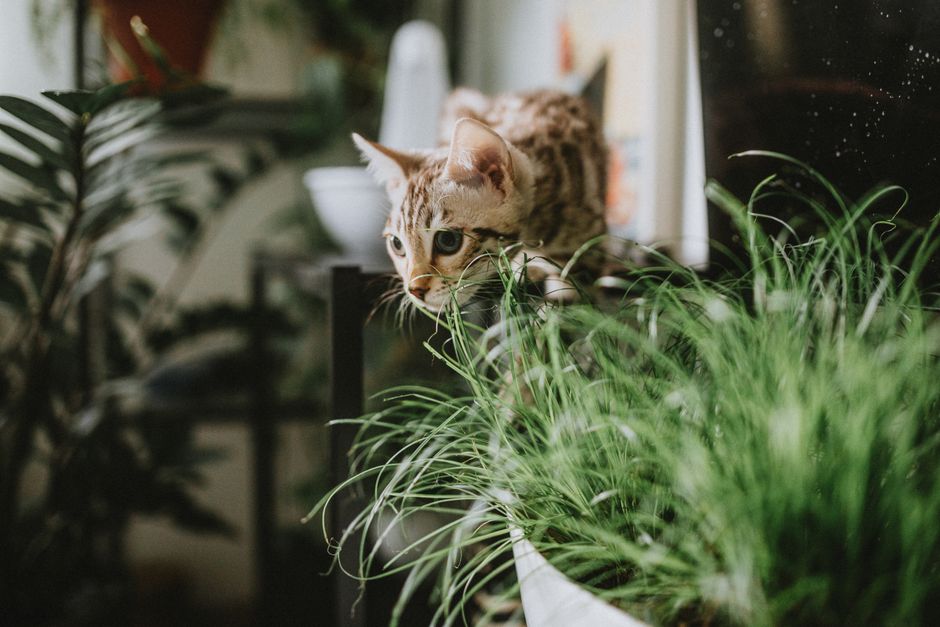
Plants That Are Toxic to Cats and Dogs: A Guide for Pet Owners
Photo by Helena Jankovičová Kováčová on Pexels
This content was created with AI assistance and is not a substitute for professional veterinary advice.
Quick Answer
If your pet ingests a toxic plant, contact your veterinarian immediately and take a sample of the plant to the vet’s office for identification.
The Problem: Toxic Plants in the Home
As a pet owner, you take pride in providing a safe and comfortable home for your cats and dogs. However, even with the best intentions, it’s easy to overlook the danger lurking in the form of toxic plants. Whether it’s a potted plant on the windowsill or a bouquet of fresh flowers on the coffee table, these seemingly harmless decorative items can pose a significant threat to your pet’s health.
Why It Matters: The Consequences of Toxic Plant Ingestion
The ingestion of toxic plants can have severe consequences for your cat or dog, ranging from mild stomach upset to life-threatening poisoning. In severe cases, even a small amount of toxic plant material can cause respiratory failure, cardiac arrest, or even death. As a responsible pet owner, it’s essential to be aware of the risks and take steps to prevent accidental ingestion.
How To Recognize the Signs of Toxic Plant Ingestion
The symptoms of toxic plant ingestion can vary depending on the type of plant and the amount of material consumed. However, here are some common signs to look out for:
| Sign | Mild | Serious |
|---|---|---|
| Appetite | Slightly reduced | Refuses food entirely |
| Vomiting | Mild to moderate | Severe and persistent |
| Diarrhea | Mild | Severe and bloody |
| Abdominal pain | Mild to moderate | Severe and persistent |
| Lethargy | Mild | Severe and persistent |
If you suspect your pet has ingested a toxic plant, it’s essential to act quickly and seek veterinary attention immediately.
What To Do in Case of an Emergency
If you notice any of the above signs in your pet, or if you suspect they’ve ingested a toxic plant, follow these steps:
- Contact your veterinarian immediately and report the incident.
- Take a sample of the plant to the vet’s office for identification.
- Follow the vet’s instructions and provide any necessary treatment.
- Keep an eye on your pet’s behavior and condition, and report any changes to the vet.
When To See a Vet Immediately
In some cases, the consequences of toxic plant ingestion can be severe and require immediate veterinary attention. If you notice any of the following signs, seek help immediately:
- Severe vomiting or diarrhea that lasts longer than 24 hours
- Abdominal pain or lethargy that persists for more than 12 hours
- Difficulty breathing or rapid breathing
- Collapse or convulsions
Products That Help: Safe Decor and Home Safety Products
To keep your home safe from toxic plants, consider the following products:
- Decorative plants in non-toxic materials, such as glass or ceramic vases
- Artificial flowers and plants that mimic the look of real ones
- Home safety products, such as plant covers or deterrents, that prevent pets from accessing toxic plants
- Non-toxic houseplants that are safe for cats and dogs, such as spider plants or snake plants
Key Takeaways
- Be aware of the most common toxic plants that can harm your cat or dog
- Recognize the signs of toxic plant ingestion, including mild and severe symptoms
- Act quickly in case of an emergency and seek veterinary attention immediately
- Consider using safe decorative plants, artificial flowers, and home safety products to prevent accidental ingestion
- Consult with your veterinarian for advice on pet safety and toxic plant prevention
FAQ
What are the most common toxic plants that can harm my cat or dog?
Some of the most common toxic plants include sago palms, lilies, azaleas, tulips, and snake plants are not all toxic, but they may be for some pets so always look up the plant with a reliable resource to ensure you know which plants are safe for your pet.
How do I prevent accidental ingestion of toxic plants?
Consider using decorative plants in non-toxic materials, artificial flowers and plants, home safety products, or non-toxic houseplants that are safe for cats and dogs.
What should I do if I suspect my pet has ingested a toxic plant?
Contact your veterinarian immediately and report the incident, take a sample of the plant to the vet’s office for identification, and follow the vet’s instructions for treatment.