Dog Body Language: What Your Dog Is Actually Telling You
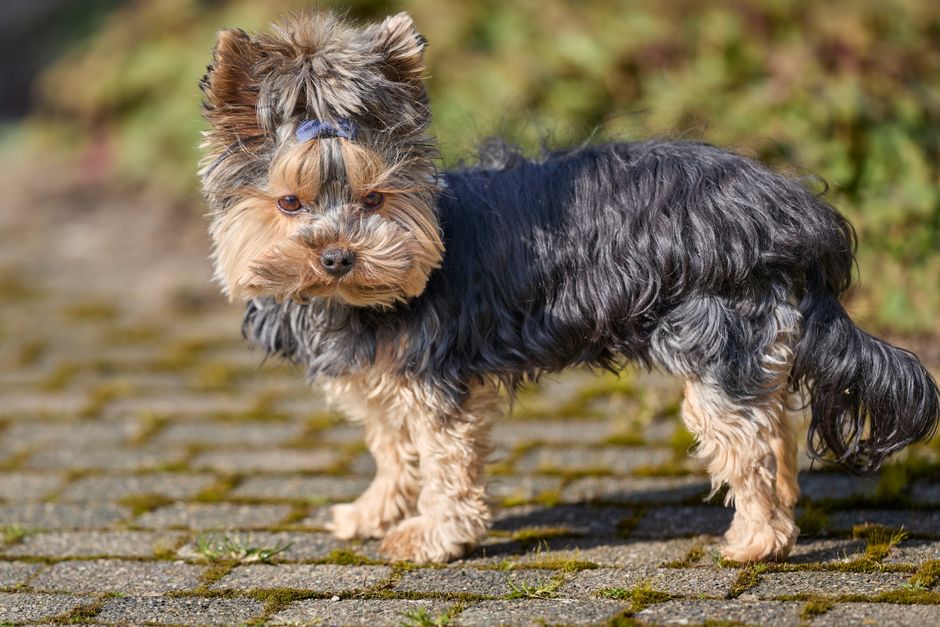
Photo by Erwin Bosman on Pexels
This content was created with AI assistance and is not a substitute for professional veterinary advice.
Dogs communicate primarily through their tail, ears, eyes, mouth, and overall posture – and the key to reading any of it accurately is looking at all of these signals together, not just one in isolation, since the same tail wag can mean happy or anxious depending on everything else going on.
Why One Signal Alone Doesn’t Tell You Anything
According to the AKC, “no dog body language signals act alone. They’re all part of a package.” A wagging tail is a good example of why this matters: it signals emotional arousal, not automatically happiness – a slow, loose sweep usually means relaxed, while a fast, stiff wag can mean the dog is agitated or aroused instead. Raised hackles work the same way. They’re a reflex tied to arousal, and the AKC is clear that this isn’t “necessarily in a negative way” – a dog can raise its hackles when excited just as easily as when stressed. The signal alone doesn’t tell you which one it is.
Why Misreading Body Language Actually Matters
Missing the quieter signals has real consequences. According to Best Friends, a frozen, stiff posture is “a low-level warning sign on the ladder of dog aggression,” and not respecting that warning can lead to escalation. Dogs also use subtle calming signals, like lip licking or looking away, specifically to defuse tension before things escalate – missing these early, quiet requests for space is often how a situation ends up at a growl or a bite that seemed to come “out of nowhere,” when the dog had actually been signaling for a while.
The Body Language Signals, Broken Down
| Signal | Relaxed / Comfortable | Stressed / Concerning |
|---|---|---|
| Tail | Loose, wide sweeping wag | Tucked with fast wag (fear), or high and stiff (agitation) |
| Ears | Forward or neutral, loose | Pinned tightly back (fear), or forward and stiff with a tense body (potential aggression) |
| Eyes | Soft, relaxed lids | “Whale eye” (whites showing), or a hard, fixed stare |
| Mouth | Relaxed, normal panting | Lip licking with no food around, yawning when not tired |
| Posture | Loose, waggy, weight neutral | Frozen and stiff, cowering low, or leaning forward with tension |
What To Do When You See Stress Signals
- Treat calming signals as an early ask for space. Lip licking, yawning outside of tiredness, and looking away are all forms of what Best Friends calls displacement behavior – a dog quietly trying to de-escalate.
- Give the dog room to move away. Avoid hovering over or crowding a dog that’s showing any combination of stress signals, especially one lying down.
- Don’t punish growling or other warning signals. A growl is communication, not defiance – removing a dog’s ability to warn doesn’t remove the discomfort behind it, it just removes the warning before a bite.
- Read the whole dog before deciding how to approach, especially with an unfamiliar dog – a wagging tail next to a stiff body and hard eyes is a very different situation than a wagging tail with a loose, waggy posture.
When To See A Vet Immediately
- Fear-based body language that shows up suddenly, without an obvious trigger – a normally confident dog that starts cowering, freezing, or avoiding contact can be signaling pain or an underlying medical issue, not just a behavior change.
- Warning signals that are escalating despite giving space – if a dog’s ladder of aggression keeps climbing (stiffening, growling, snapping) even when you back off, that’s a situation for a certified trainer or behaviorist, not something to keep managing alone.
- Any body language change paired with other symptoms, like limping, appetite changes, or reduced activity – these point toward a physical cause worth ruling out.
Tools That Help You Practice Reading Body Language
- A treat pouch makes it easy to reward calm, relaxed body language in the moment, reinforcing the behavior you actually want to see more of.
- A longer leash gives a stressed dog room to create distance in public settings instead of feeling trapped close to a trigger.
- Enrichment and interactive toys give you low-stakes opportunities to observe a dog’s body language during play, which builds your ability to read the same signals in higher-stakes moments.
- A session with a certified trainer or behaviorist is worth considering if you’re regularly unsure whether what you’re seeing is escalating.
Key Takeaways
- No single body language signal, like a wagging tail or raised hackles, means one fixed thing – always read the whole dog, not one part in isolation.
- Calming signals like lip licking, yawning, and looking away are often an early, quiet request for space, not random behavior.
- A frozen, stiff posture is a real warning sign on the ladder of aggression – ignoring it risks escalation.
- Fear-based body language that shows up suddenly, without a clear trigger, can point to pain or a medical issue worth a vet visit, not just a behavior explanation.
FAQ
Does a wagging tail always mean a dog is happy?
No – a wagging tail signals emotional arousal, which can mean happy, but can just as easily mean agitated or anxious. The speed, height, and looseness of the wag, along with the rest of the dog’s body, are what actually tell you which one it is.
What does it mean when my dog looks away from me?
Looking away is generally an appeasement or calming signal, not stubbornness or ignoring you. It’s often a dog’s way of trying to defuse tension in a moment that feels uncomfortable to them.
Is it bad to punish a dog for growling?
Generally yes – a growl is a warning, not misbehavior on its own. Punishing it can teach a dog to skip the warning next time, which removes useful information rather than addressing whatever made the dog uncomfortable in the first place.