Why Does My Dog Stare at Me?
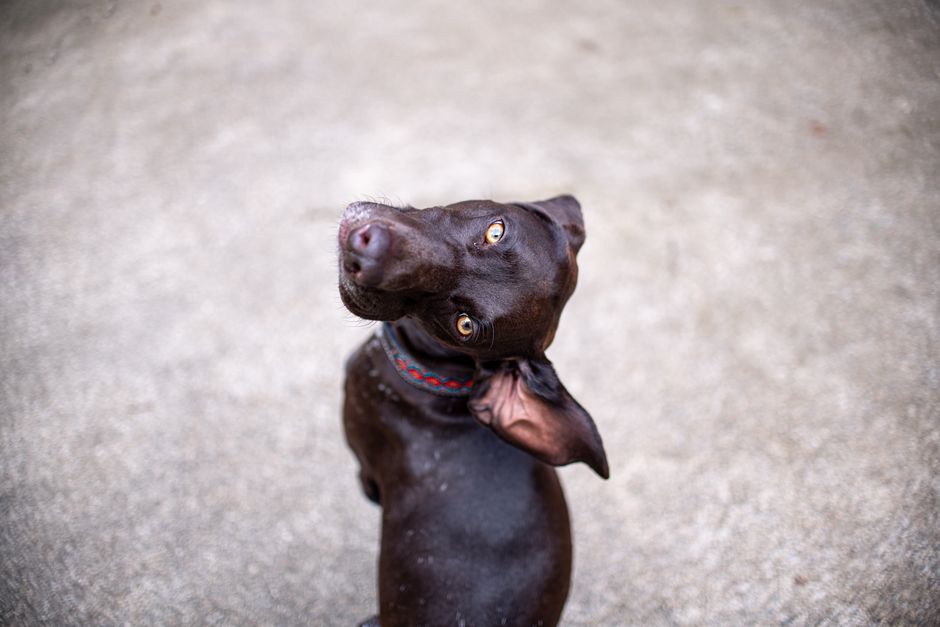
Photo by Brixiv on Pexels
This content was created with AI assistance and is not a substitute for professional veterinary advice.
Most staring is a good sign – either genuine affection or a learned way of asking for something – and there’s real chemistry behind it, since the AKC notes mutual eye contact between dogs and owners releases oxytocin, the same “love hormone” activated when a mother gazes at a newborn. A hard, stiff-postured stare is a different signal entirely, and worth reading correctly rather than lumping in with the affectionate kind.
The Bonding Reason Behind Most Staring
According to the AKC, that oxytocin release is a two-way loop – it happens for both the dog and the owner during mutual gazing, which is part of why a soft, relaxed stare from your dog genuinely feels good to receive. This isn’t unique to any one breed or relationship; it’s a real physiological response tied to bonding and trust, not just an anecdotal “dogs love their owners” claim.
When Staring Is Really Just Asking For Something
A lot of staring is more practical than sentimental. The AKC explains dogs learn that eye contact reliably gets a response from their owner – if staring during mealtime results in a shared bite of food, “the dog has learned a new way to communicate.” PetMD describes the same pattern around walks and potty breaks: a dog staring at the door, or at you before you’d normally head out, is often a direct, learned request rather than idle observation. If this kind of staring gets rewarded consistently, it tends to increase – which is exactly why the AKC recommends redirecting it toward a clearer signal (like teaching a dog to ring a bell for a potty break) rather than reinforcing staring itself as the go-to method.
Some Dogs Are Just Checking In On You
PetMD notes some dogs are simply attentive to their owner’s state – checking in periodically, reading body language, and adjusting their own behavior based on what they pick up. A dog that approaches when you seem upset, or keeps a distance when you seem tense, is showing a form of this monitoring behavior. It’s less about wanting something specific and more about staying tuned in to you generally.
Soft Staring vs a Hard, Stiff Stare
| Sign | Soft/Affectionate Staring | Hard, Concerning Stare |
|---|---|---|
| Eyes | Relaxed, soft, blinking normally | Unwavering, unblinking |
| Body | Loose, relaxed posture | Stiff, rigid |
| Context | Bonding moment, mealtime, near the door | Near a resource, feeling trapped, unfamiliar situation |
| What it usually means | Affection, a request, checking in | Discomfort, guarding, feeling threatened |
The Hard Stare That Means Something Different
PetMD is direct about this: “a direct hard stare is not a good sign.” A dog holding stiff, rigid posture with unwavering eye contact is typically communicating discomfort – PetMD points to feeling trapped, guarding a resource (food, a toy, a space), or perceiving the eye contact itself as threatening as common underlying reasons. This is a genuinely different signal from the relaxed, affectionate stare described above, and it’s worth taking seriously rather than assuming it’s the same behavior.
PetMD’s practical advice for reading it: look at the whole picture – body posture, tail position, ear placement, and the situation itself – not just the eyes in isolation. “Always allow the dog to make the first move” rather than pushing closer or maintaining direct eye contact back. If you’re genuinely concerned about a hard stare, backing away slowly while still facing the dog is the safer response than turning your back or advancing further.
When To See A Vet Or Trainer
- Persistent staring paired with nervousness can point toward separation anxiety, according to PetMD – worth mentioning to a vet if it’s a consistent pattern, not an occasional moment.
- A new pattern of hard, stiff staring, especially around resources like food or toys, is worth working with a professional trainer on, per the AKC – this kind of behavior tends to respond better to guided training than to guesswork at home.
- Sudden staring or confusion-like behavior in an older dog is worth a vet visit, since cognitive changes in senior dogs can show up as changes in how they observe or respond to their surroundings.
Key Takeaways
- Most dog staring is affection or a learned way of requesting something, and it’s backed by a genuine bonding hormone (oxytocin) shared between dog and owner during mutual gazing.
- Staring around mealtimes, walks, or the door is usually a learned, practical request – redirecting it to a clearer signal (like a bell) can reduce it if it’s becoming a habit.
- A hard, stiff-postured stare is a different signal from affectionate staring – it usually points to discomfort, guarding, or feeling threatened, not bonding.
- Persistent, anxious staring or a new pattern of hard staring around resources are both worth addressing with a vet or trainer rather than guessing at home.
FAQ
Is it rude or threatening to stare back at my own dog?
With a dog you have a trusting relationship with, a soft, relaxed stare back is generally fine and part of the same bonding response. It’s unfamiliar dogs where sustained direct eye contact is riskier, since a dog that doesn’t know you may read it as a challenge rather than affection.
Can dogs actually read human facial expressions when they stare at us?
There’s real evidence dogs pick up on human emotional cues through observation, which lines up with PetMD’s point about dogs adjusting their behavior based on whether an owner seems upset or tense. It’s part of why attentive staring often has more to do with monitoring you than with wanting something specific in the moment.
Should I train my dog to stop staring at me altogether?
Not necessarily – affectionate or check-in staring isn’t a problem behavior on its own. The AKC’s suggestion to redirect is specifically for staring that’s become a demanding, repetitive way of requesting things (like food), where teaching a clearer alternative signal works better than trying to eliminate the staring itself.