Why Does My Cat Knead Blankets?
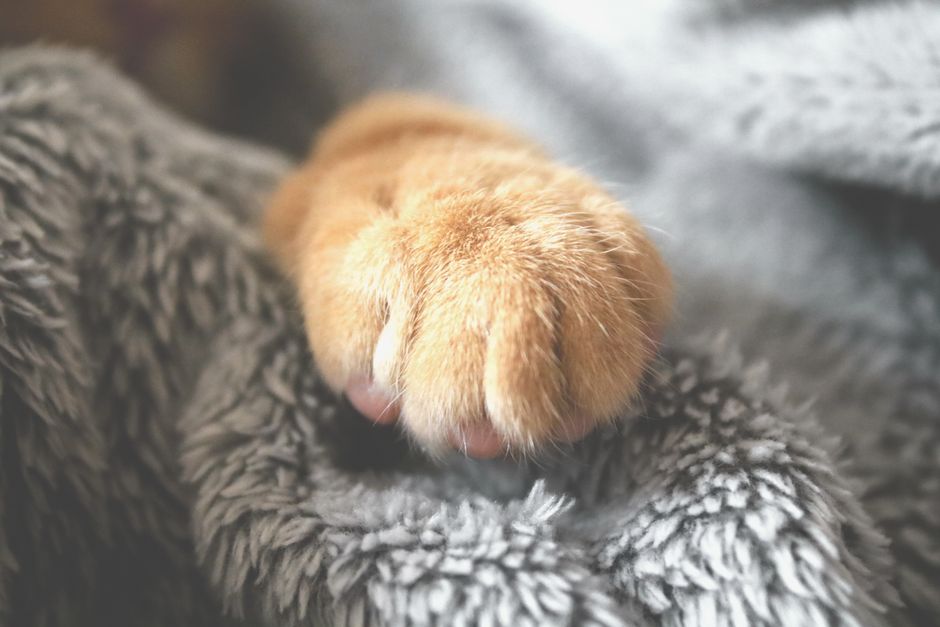
Photo by Aleksandar Cvetanovic on Pexels
This content was created with AI assistance and is not a substitute for professional veterinary advice.
Kneading traces back to kittenhood – kittens push on their mother’s belly to stimulate milk flow while nursing – and adult cats keep doing it because the motion still triggers a genuine sense of calm and comfort, which is why it’s usually a good sign, not something to worry about.
Why Cats Knead In The First Place
According to PetMD, kittens “use a kneading action to stimulate milk production from their mother cat” while nursing – it’s a practical, functional motion long before it’s a habit. That early association with comfort is strong enough that most cats keep doing it well into adulthood, on blankets, pillows, laps, or soft bedding. PetMD notes the behavior triggers dopamine release, producing the same kind of feel-good sensation as the original nursing experience – which is part of why kneading so often shows up right before a cat settles down to sleep, or while being petted.
It’s Also How Cats Mark What’s Theirs
Kneading isn’t purely about comfort. Cats have scent glands in their paw pads, and PetMD explains that kneading deposits those pheromones onto whatever surface (or person) the cat is working on – effectively claiming it as part of their territory. Catster describes this the same way, framing it as a form of ownership-signaling to other cats, not just a physical habit.
Why Some Cats Suckle Or Chew The Blanket Too
A fair number of cats knead and suck or chew on fabric at the same time. Catster addresses the common theory directly: “kittens weaned too soon may exhibit this behavior more often” – but adds an important caveat, that “this anecdote is not based on scientific evidence.” It’s a reasonable, widely repeated explanation, not a confirmed one, so it’s worth holding loosely rather than treating as settled fact. Either way, occasional suckling alongside kneading is common enough in adult cats that it’s not, on its own, a reason for concern.
Normal Kneading vs Worth Watching
| Pattern | Normal | Worth Watching |
|---|---|---|
| Timing | Before sleep, during petting, when relaxed | Sudden, frequent, or seemingly involuntary |
| Mood | Calm, purring, content | Appears anxious or can’t be interrupted |
| Onset | Long-standing habit | New behavior, especially in an older cat |
| Body | Normal posture and movement | Signs of stiffness, limping, or reluctance to jump |
When To See A Vet
Kneading itself is normal, but PetMD is specific that an increase or change in the behavior can be worth flagging, since it may point to:
- Discomfort or pain, such as arthritis – PetMD notes cats “experiencing soreness from an injury or arthritis may also knead to stretch their limbs and relieve muscle tension,” which can look similar to ordinary kneading but is being driven by something different.
- Anxiety or stress, where kneading becomes more of a self-soothing habit than a relaxed one – Catster echoes this, noting stressed cats may knead specifically to calm themselves down.
- Compulsive behavior, where kneading happens more rigidly or frequently than a cat’s normal pattern.
A sudden increase, especially paired with stiffness, limping, or reluctance to jump – or kneading that seems to happen out of anxiety rather than contentment – is the actual signal to raise with a vet, not kneading on its own.
Simple Ways To Make Kneading More Comfortable
- Keep nails trimmed. Kneading can happen with claws extended, which is more likely to snag blankets or scratch skin – regular trims reduce both.
- Offer a dedicated blanket or mat your cat can knead freely, especially if they tend to do it on your lap or skin.
- Don’t discourage it outright – since it’s a normal, usually positive behavior, redirecting to a better surface works better than trying to stop it entirely.
- Note any recent changes (new pet, move, schedule shift) if kneading suddenly increases, since that context helps figure out whether it’s stress-related.
Key Takeaways
- Kneading starts as a nursing behavior in kittens and continues into adulthood because it still triggers real comfort and calm.
- Cats also use kneading to mark territory through scent glands in their paws – it’s both a comfort behavior and a form of ownership-signaling.
- Suckling or chewing fabric alongside kneading is common and not confirmed to specifically mean early weaning, despite the popular theory.
- A sudden increase in kneading, especially with signs of stiffness or anxiety, is worth mentioning to a vet – occasional, relaxed kneading on its own isn’t.
FAQ
Why does my cat knead with claws out sometimes and retracted other times?
Both are within normal range and can vary by individual cat, surface texture, and how deeply relaxed they are in the moment. Claws-out kneading is simply more likely to snag fabric or scratch skin, which is the main practical reason to keep nails trimmed rather than a sign anything is wrong.
Do all cats knead, or is it specific to certain cats?
Most cats knead to some degree, but frequency and intensity vary a lot between individuals – some do it daily before sleep, others rarely. There’s no established link between kneading frequency and a cat’s overall health or temperament beyond the specific pain/stress signals covered above.
Is it okay to let my cat knead directly on my skin?
It’s generally fine for a short stretch, but claws-out kneading on bare skin can scratch, so a blanket or towel between your cat’s paws and your skin is a simple way to let the behavior continue comfortably for both of you.