Why Does My Dog Shake?
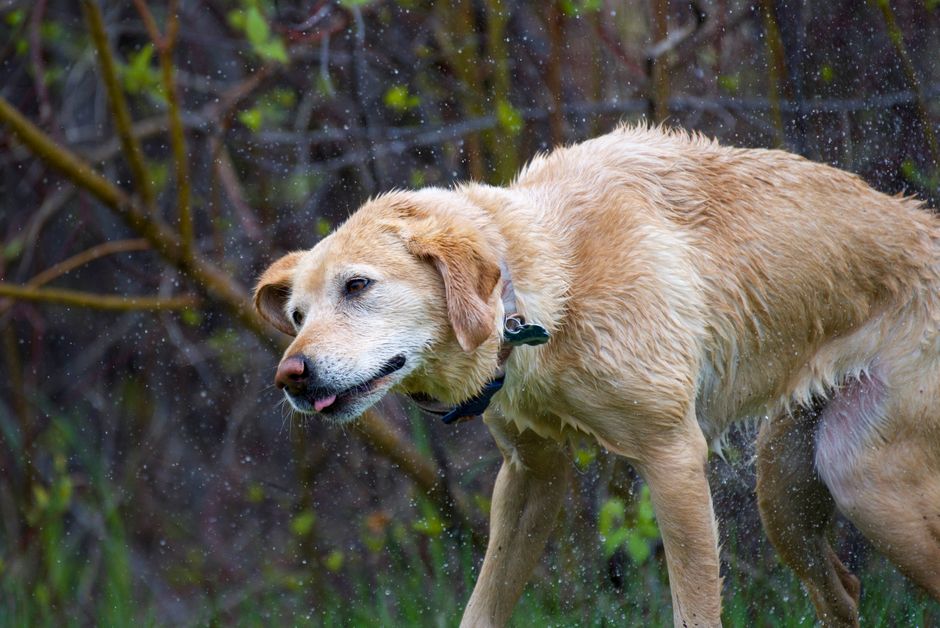
Photo by Andrew Patrick Photo on Pexels
This content was created with AI assistance and is not a substitute for professional veterinary advice.
Shaking has both harmless explanations – excitement, cold, drying off after a bath – and ones that need a vet’s attention, like pain, toxin exposure, or a neurological cause; telling them apart comes down to context: what triggered it, how long it lasts, and what else is happening alongside it.
Harmless Reasons Dogs Shake
According to VERC, plenty of shaking has nothing to do with illness:
- Excitement. A dog greeting you or anticipating a treat may tremble along with a full-body wiggle, a wagging tail, and a relaxed, happy expression.
- Cold. Shivering is, in VERC’s words, “a reflex mechanism designed to reduce body heat losses” – small breeds and thin-coated dogs are especially prone to it.
- Drying off or general stress relief. A quick full-body shake after a bath or swim is normal and unrelated to any of the causes below.
When Shaking Points To Anxiety Or Fear
Fear-based trembling looks different from excited trembling once you know what to look for. VERC describes the anxious version as coming with “excessively wide or squinty eyes” and ears held back or a tucked tail – a noticeably different body language picture than the loose, wiggly excitement described above. Apex Vets lists common triggers for this kind of shaking: vet visits, strangers in the home, loud noises, or unfamiliar animals nearby. This kind of shaking is usually temporary and tied to a specific situation – it typically settles once the trigger is gone.
Excited vs Anxious vs Concerning Shaking
| Sign | Excited | Anxious/Fearful | Worth A Vet Visit |
|---|---|---|---|
| Face | Relaxed, soft expression | Wide or squinty eyes | Tense, may avoid touch |
| Tail/Ears | Wagging, ears neutral | Tucked tail, ears back | Varies, often paired with other symptoms |
| Trigger | Greeting, treats, play | Specific event (vet visit, noise) | Unclear, or none |
| Duration | Brief, resolves quickly | Resolves once trigger passes | Persists, worsens, or recurs |
Medical Causes Worth Ruling Out
When shaking doesn’t match the excited or anxious patterns above, both VERC and Apex Vets point to the same broader list:
- Pain. VERC notes pain-related shaking often comes with tensing when the painful area is touched, or reluctance to move or eat.
- Toxin ingestion. Chocolate, xylitol, certain medications, and some plants can all cause tremors. VERC is direct that this requires immediate attention, since it “may cause significant illness, organ damage, or death.”
- Low blood sugar (hypoglycemia). Apex Vets flags this as especially relevant in puppies and small breeds – a puppy that’s weak, shaking, and won’t eat needs urgent attention, since this can progress to collapse.
- Neurological conditions, including epilepsy, generalized tremor syndrome (sometimes called “shaker syndrome”), or other conditions affecting the nervous system.
Tremor vs Seizure: Why The Difference Matters
A tremor and a seizure can look similar at a glance, but they’re not the same thing, and telling them apart matters. Apex Vets notes that both generalized tremor syndrome and true seizures can present as “uncontrollable shaking” and both require a vet’s diagnosis – but a seizure specifically (marked by loss of consciousness, collapse, or rigid/paddling limbs, rather than a dog that stays alert and responsive through the shaking) is treated as a potential emergency on its own, separate from ordinary tremors. If your dog loses consciousness or collapses during an episode, that changes the urgency regardless of what caused the shaking itself.
When To See A Vet Immediately
Both sources agree this needs urgent/emergency care, not a wait-and-see approach:
- Your dog has had a seizure, or the shaking involves collapse or loss of consciousness
- Suspected toxin ingestion – chocolate, xylitol, medications, or an unknown substance
- Signs of hypothermia alongside the shaking (very cold to the touch, lethargy, pale gums)
- A puppy or small dog that’s weak, shaking, and won’t eat – possible low blood sugar, which can progress quickly
- Shaking that’s uncharacteristic for your dog, paired with other illness signs, or that persists well beyond what a specific trigger (cold, a stressful event) would explain
For shaking that’s chronic, mild, and not paired with any of the above – ongoing anxiety, a suspected ear infection, or pain without acute distress – a routine vet appointment is the right call rather than an emergency visit.
Key Takeaways
- Excitement, cold, and drying off are genuinely harmless causes of shaking – body language (relaxed vs. tense, wagging vs. tucked tail) usually tells them apart from more concerning causes.
- Pain, toxin ingestion, low blood sugar, and neurological conditions are the medical causes worth ruling out when shaking doesn’t fit an obvious harmless pattern.
- A seizure – marked by loss of consciousness or collapse – is a different, more urgent situation than an ordinary tremor, even though both can look like “uncontrollable shaking” at first glance.
- Suspected toxin ingestion, a seizure, hypothermia signs, or a weak puppy that won’t eat all warrant immediate veterinary care, not a wait-and-see approach.
FAQ
Is it normal for small dog breeds to shake more than large breeds?
Yes – smaller dogs and thin-coated breeds lose body heat faster and have less mass to generate warmth, so they shiver from cold more readily than larger, heavier-coated dogs. It’s also part of why hypoglycemia-related shaking is specifically flagged as a bigger concern in small breeds and puppies.
Can a dog shake purely from happiness, with nothing wrong at all?
Yes – excitement-related trembling is one of the genuinely harmless causes, and it usually comes with clearly happy body language: a relaxed face, a wagging tail, and an eager, wiggly posture, rather than the tense or withdrawn signs that go along with fear or pain.
What should I do at home if my dog is shaking from being cold?
A warm, dry towel or blanket and moving them to a warmer space is usually enough for ordinary cold-related shivering. If the shaking doesn’t ease with warming up, or your dog seems weak, lethargic, or unusually cold to the touch, that’s the point to treat it as a possible hypothermia concern rather than simple chilliness.