Why Does My Dog Follow Me Everywhere?
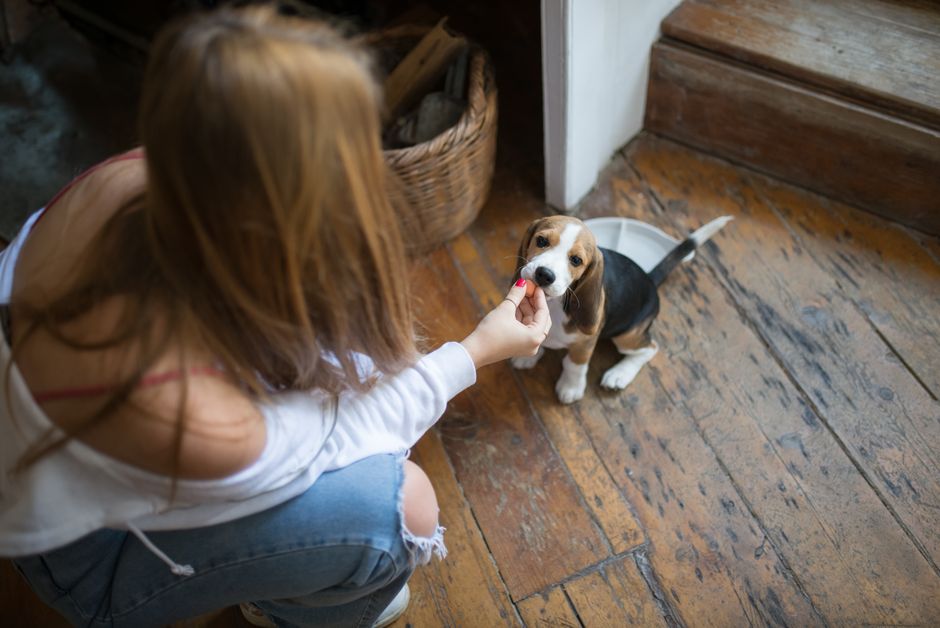
Photo by Kampus Production on Pexels
This content was created with AI assistance and is not a substitute for professional veterinary advice.
“Velcro dog” behavior – a dog that follows you from room to room – is rooted in real pack instinct, and for most dogs it’s a healthy, normal trait rather than a problem: the AKC puts it simply, “Dogs are pack animals, and we are their pack.” A few genuine exceptions – separation anxiety, sudden onset, or a medical cause – are worth knowing so you don’t lump every clingy moment into the same harmless category.
The Pack Instinct Behind “Velcro Dogs”
The AKC frames close-following as a fundamental instinct, not a quirk – dogs evolved as social animals that depended on staying near their group, and domestic dogs redirect that same wiring toward their human household. PetPlace adds a chemical layer to this: positive interactions between dogs and owners release oxytocin, the same trust-building hormone involved in other close social bonds, which reinforces the pull toward staying close over time.
Some Breeds Are Just Wired For It
How much a dog naturally follows isn’t random – it’s shaped by what the breed was originally bred to do. The AKC notes that Working and Herding Group breeds are especially predisposed to close attachment, since staying near a handler was directly part of their working role historically. Companion breeds carry this even further – breeds like Cavaliers, Shih Tzus, and Vizslas were bred specifically to be close to people, so a strong tendency to follow is, in a real sense, working as intended rather than a behavior issue.
Puppy Imprinting And Learned Behavior
Young age plays a role too. The AKC notes puppies roughly newborn to six months old often imprint on their owner similarly to how they would a mother, which can set a strong following pattern early on. Separately, Veterinary Healthcare Associates points out that following gets reinforced any time it’s rewarded – petting, praise, or attention given in response to a dog staying close simply teaches the dog to keep doing it.
Normal Following vs Something Worth Addressing
| Sign | Normal “Velcro” Behavior | Worth Addressing |
|---|---|---|
| When it happens | Throughout the day, consistent pattern | Escalates suddenly, out of character |
| When alone | Settles reasonably, no panic | Destructive behavior, distress specifically when separated |
| Other symptoms | None | Loss of appetite, lethargy, aggression, disorientation, accidents |
| Onset | Long-standing trait or breed tendency | New, sudden change |
When Following Is Actually Anxiety
There’s a real distinction between a dog that prefers being near you and one that’s anxious about separation. The AKC is specific about this: true separation anxiety involves genuine panic when separated from an owner, while ordinary Velcro behavior is simply a preference for proximity – related patterns, but not the same thing. VHA lists anxiety and stress as one of several real causes of following behavior, alongside the more benign ones like affection or wanting something (food, water, a bathroom break).
When To See A Vet
According to PetPlace, a handful of medical causes can drive a real increase in clinginess, separate from normal affection or instinct:
- Cognitive dysfunction – a degenerative condition in older dogs that can cause disorientation, sometimes described as similar to early-stage dementia.
- Vision or hearing loss – reduced senses can make a dog more dependent on staying physically close to feel secure.
- Pain or illness – dogs often seek out a trusted person for comfort when something feels wrong physically.
PetPlace is direct about the pattern to watch for: contact a vet if clinginess appears suddenly, or comes with loss of appetite, lethargy, aggression, disorientation, destructive behavior when left alone, or house-soiling accidents. None of these need to be present for ordinary Velcro behavior – their appearance is what shifts it from “normal dog” to “worth a vet visit.”
Key Takeaways
- Following you around is rooted in real pack instinct and oxytocin-driven bonding – for most dogs, it’s healthy, not a problem to fix.
- Breed matters – Working, Herding, and companion breeds are often genetically predisposed to stay close, working exactly as bred.
- True separation anxiety (panic when apart) is a distinct condition from simple Velcro behavior (a preference for proximity) – related, but not interchangeable.
- Sudden onset, or clinginess paired with appetite loss, lethargy, disorientation, or accidents, points to a possible medical cause worth a vet visit – not typical affectionate following.
FAQ
Should I discourage my dog from following me everywhere?
Not necessarily – if it’s a long-standing, comfortable pattern with no distress when your dog is briefly apart from you, there’s no health reason to train it away. It’s worth addressing specifically if it’s paired with genuine panic during separation, since that points to anxiety rather than simple closeness.
Do certain dog breeds really follow their owners more than others?
Yes – Working and Herding Group breeds, along with companion breeds specifically developed to stay close to people, tend to show stronger following behavior as a genuine trait of their breeding rather than an individual quirk. A less velcro-prone breed can still be very clingy individually, though – breed is a tendency, not a guarantee.
Can boredom make a dog more likely to follow me around?
It can contribute, especially if a dog isn’t getting enough physical or mental stimulation elsewhere – following you becomes a source of engagement when there’s not much else going on. Increasing exercise, play, and enrichment is a reasonable thing to try if boredom seems like part of what’s driving it.