Why Does My Cat Sleep on Me?
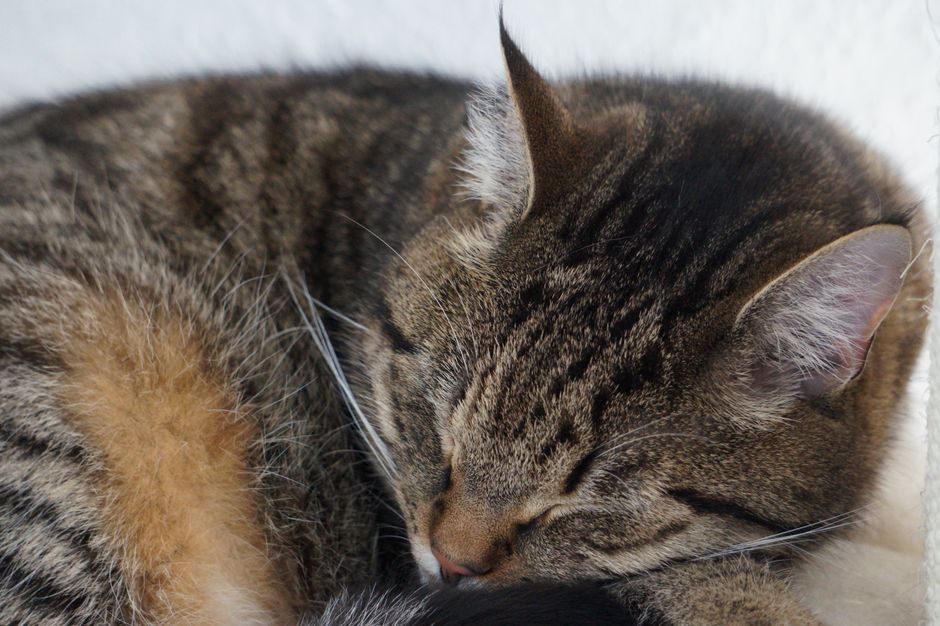
Photo by Gammel Knecht on Pexels
This content was created with AI assistance and is not a substitute for professional veterinary advice.
Most cats sleep on their owners for warmth, trust, and scent – it’s one of the clearest signs of a secure bond, not something to worry about – but a sudden increase in the behavior is usually tied to stress or a routine change, and is only worth a vet visit if it comes with other symptoms.
The Real Reasons Cats Sleep On Their Owners
Sleeping on you almost always comes down to one of these:
- Warmth. Cats naturally run warmer than people and are drawn to body heat, which is a big part of why a warm lap or chest is so appealing.
- Trust and vulnerability. Sleep is when a cat is least able to react to danger, so according to PetMD, choosing to sleep on you is a clear signal they feel safe enough to let their guard down.
- Scent and territory. Human heads carry sweat and oil glands with a strong, distinct scent, and PetMD notes cats may position themselves there to stay close to it – Catster adds that this can double as a mild territorial behavior, marking you as theirs.
- Reducing stress and anxiety. Catster notes that your presence can genuinely help a cat feel less vulnerable, making sleep easier.
- Attention-seeking. Sleeping somewhere you can’t miss them is also, quite simply, a way to make sure you notice them.
- Proximity and monitoring. PetMD points out some cats position themselves to stay aware of your movements, so they can respond quickly if you get up.
Why A Sudden Increase Is Usually Not What You’d Think
If your cat has always slept on you, that’s just an established bond – nothing to read into. A sudden increase is different, but according to VetToday, it’s usually tied to environmental stress – new furniture, moving homes, a new pet, or even a changed work schedule – rather than illness. Cats often use closeness as a coping mechanism during exactly this kind of transition. Catster’s guidance lines up with this: a sudden change in sleeping habits is worth monitoring, but it’s the combination with other behavior changes that actually signals something worth a vet visit, not the extra snuggling on its own.
Normal Bonding vs Worth A Closer Look
| Sign | Normal | Worth Watching |
|---|---|---|
| Onset | Gradual, consistent pattern | Sudden, tied to a recent change |
| Other behavior | Normal appetite and energy | Paired with hiding, reduced appetite, or restlessness |
| Trigger | No clear cause needed | Tied to an identifiable stressor (move, new pet, schedule change) |
| Trend | Settled, ongoing habit | Intensifying rather than easing over time |
How To Respond To A Cat That Sleeps On You
- Let it happen if it’s not causing a real problem – it’s a genuine bonding behavior, not something to actively discourage.
- Keep routines as consistent as possible during any household change, since that’s the most common trigger for a sudden increase.
- If it’s disrupting your sleep, try placing a cat bed or blanket right next to you rather than removing the option to be close entirely.
- Track any other behavior changes alongside the increase – that pattern is what actually tells you whether it’s stress or something else.
When To See A Vet Immediately
- A sudden increase in sleeping on you paired with reduced appetite, according to VetToday.
- Hiding more than usual, alongside the change in sleeping behavior.
- Excessive meowing or restlessness showing up at the same time.
- Any other new symptom appearing alongside the change – it’s the combination, not the snuggling alone, that matters.
Simple Ways To Make Shared Sleep More Comfortable
- A washable cat bed or blanket placed on your bed gives a middle ground if allergies or space are a concern.
- A pheromone diffuser can help during a stressful transition if the increase seems tied to environmental change.
- Keeping feeding and routine times consistent reduces one of the most common triggers behind a sudden increase.
Key Takeaways
- Most cats sleeping on their owners is a sign of trust, warmth-seeking, and bonding – not something to worry about.
- A sudden increase is usually tied to stress or a routine change, not illness on its own.
- The real signal worth watching for is a sudden increase paired with other changes, like reduced appetite, hiding, or restlessness.
- Isolated extra snuggling during a stressful transition is normal coping, not automatically medical.
FAQ
Why does my cat specifically sleep on my head or chest?
The head carries the strongest concentration of your scent, which is why some cats gravitate there specifically. Chest-sleeping is thought to add another layer of comfort, since a cat can feel the rise and fall of your breathing while staying close.
Is it true cats sleep on people because we’re warm?
Yes – cats naturally run warmer than people and are drawn to body heat, which is a real part of why laps, chests, and even heads are such popular sleeping spots.
Should I discourage my cat from sleeping on me?
Generally no, unless it’s actually causing a problem like disrupted sleep or allergies. If it is, redirecting to a bed placed right next to you tends to work better than trying to stop the behavior outright.