Dog Tail Language Chart
Height tells you one thing and wag speed tells you another – and a genuinely surprising research finding shows even which direction a tail wags carries meaning.

Height tells you one thing and wag speed tells you another – and a genuinely surprising research finding shows even which direction a tail wags carries meaning.

It’s how dogs actually experience the world, and sniffing itself has real calming, brain-engaging benefits – not just idle curiosity.
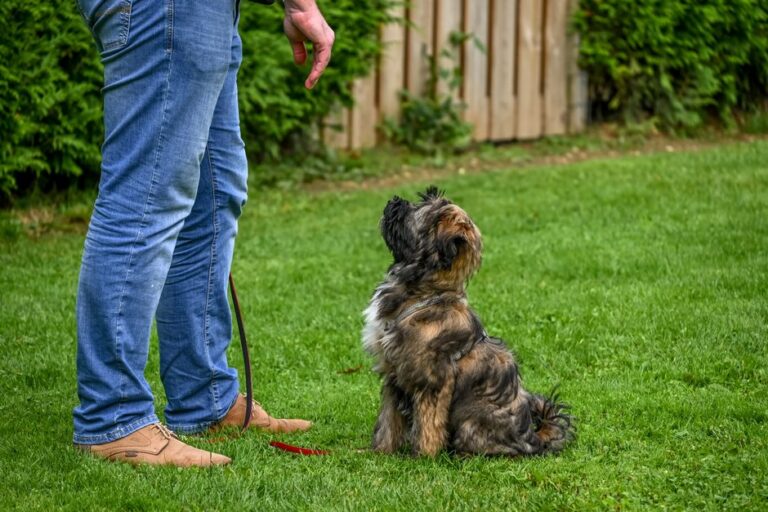
The standard “smartest dog” ranking measures one specific type of intelligence – obedience and trainability – not the only way to define a smart dog.
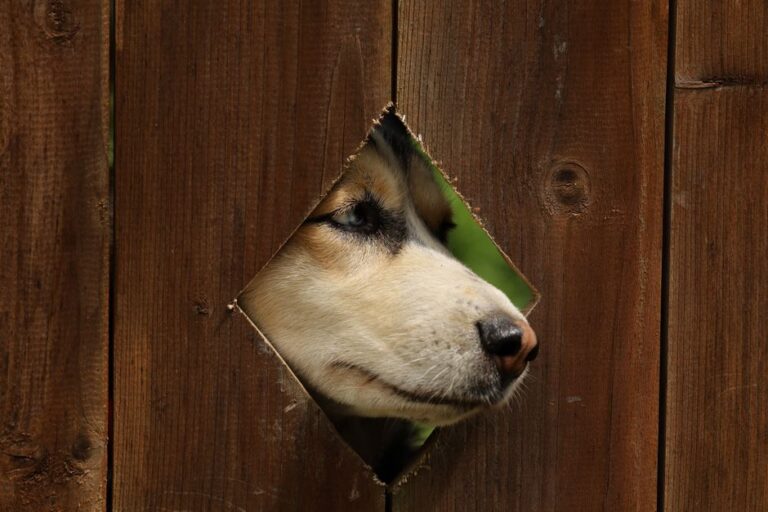
Digging is instinctive, not misbehavior – it covers a handful of real reasons, and each one has a genuinely different fix.

Nighttime barking usually traces to sharper hearing, an unmet need, or anxiety – but in older dogs specifically, it’s also a hallmark of cognitive decline worth taking seriously.

It’s mostly bonding, warmth, and inherited pack instinct – a genuine sign of trust, and letting it happen doesn’t cause separation anxiety despite the old myth.

Whining covers a lot of ground – wanting something, pain, fear, excitement – and a few specific characteristics actually tell you which one you’re dealing with.

The hardest toy isn’t the safest one for a power chewer – vets specifically warn that the toughest materials are what crack teeth, not what stands up to them.

“Velcro dog” behavior is usually just pack instinct at work, not a problem – but a few real exceptions are worth knowing before you assume it’s always affection.