How to Stop Dog Barking: A Practical, Vet-Backed Guide
Barking always has a reason – the fastest way to quiet it down for good is finding that reason first, not reaching for a bark collar.

Barking always has a reason – the fastest way to quiet it down for good is finding that reason first, not reaching for a bark collar.

Most cats sleeping on their owners is a sign of trust, warmth-seeking, and bonding – but a sudden increase usually points to stress or a routine change, not illness.

Most dogs who eat grass aren’t sick and aren’t trying to make themselves vomit – here’s what the research actually says, and when it’s worth watching more closely.

Most cat staring is affection, curiosity, or a request – but a hard, unblinking stare is a warning, and a sudden change in staring can be a medical sign in older cats.

Dogs communicate through tail, ears, eyes, mouth, and posture together – not one signal alone. Here’s how to actually read what a dog is telling you.

Breeds like the British Shorthair, Persian, and Ragdoll are commonly recommended for indoor-only living – but breed is only part of it. Here’s what actually matters, breed and beyond.
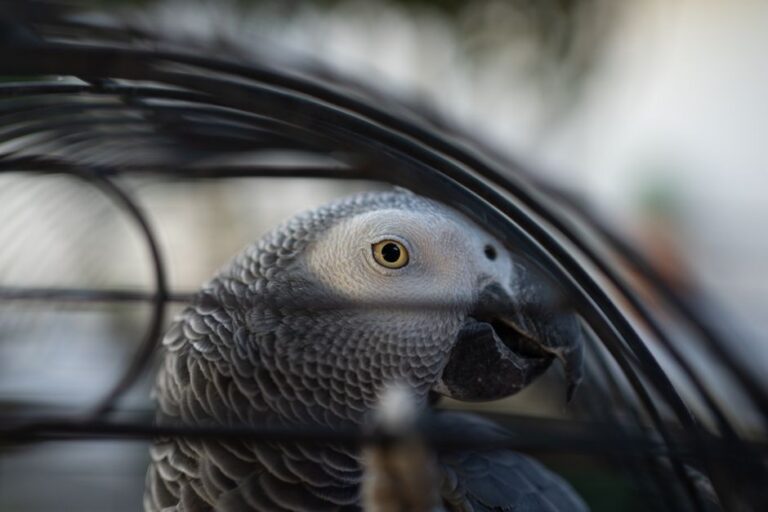
Some screaming is completely normal parrot behavior – but screaming that’s frequent, prolonged, or new is almost always either learned attention-seeking or a sign something needs attention.

Grapes aren’t toxic to rabbits the way they are to dogs – but a rabbit’s sensitive digestion makes portion size and frequency the things that actually matter.

Dogs lick people mainly out of affection and an instinct traced back to puppyhood – but licking that’s frequent, hard to interrupt, or new can mean something else.